Ultraviolet driven
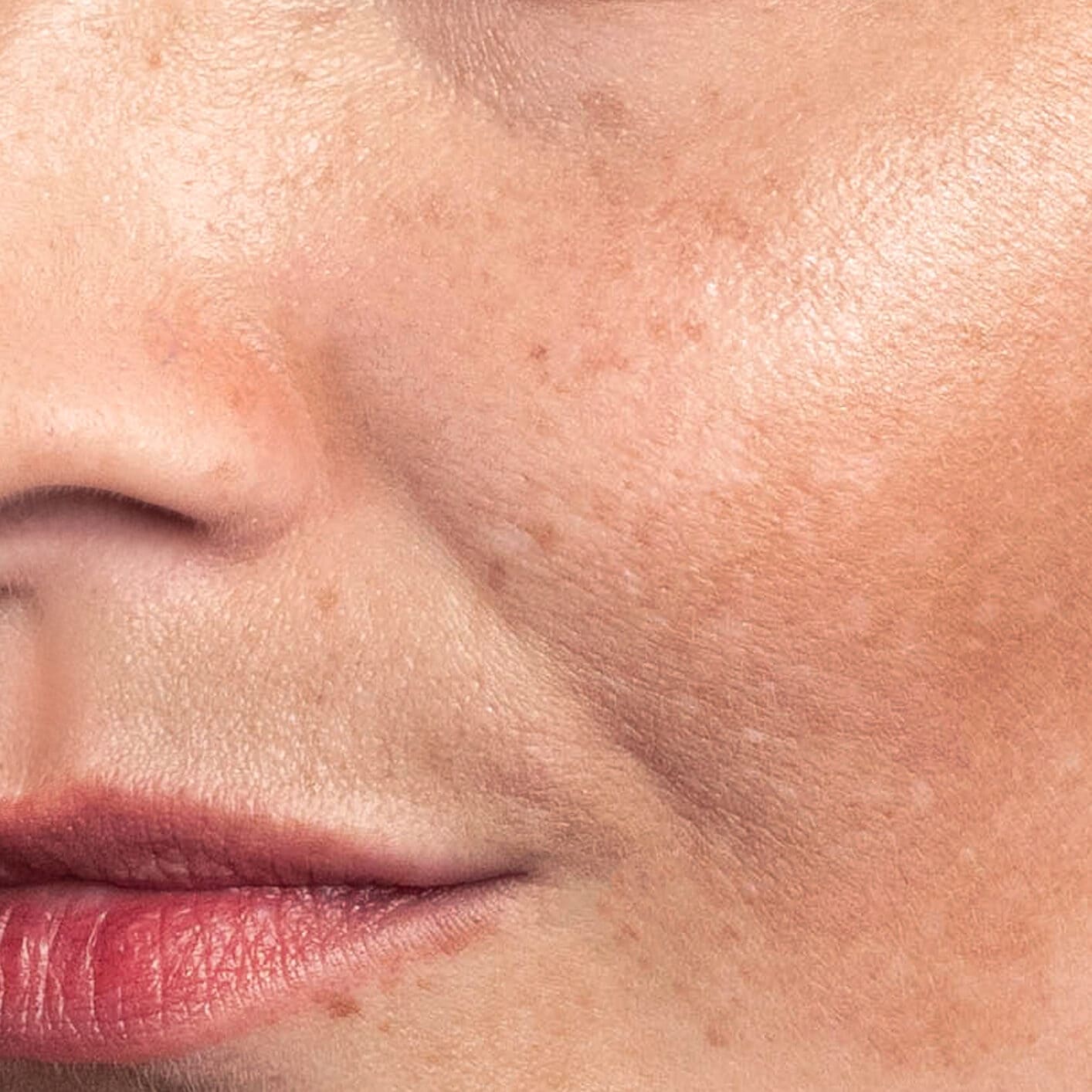
Sun spots and age spots
Discrete brown marks with defined edges, on the areas that catch the most light. Superficial, predictable and the most satisfying kind to treat. Usually clears in a small number of sessions.
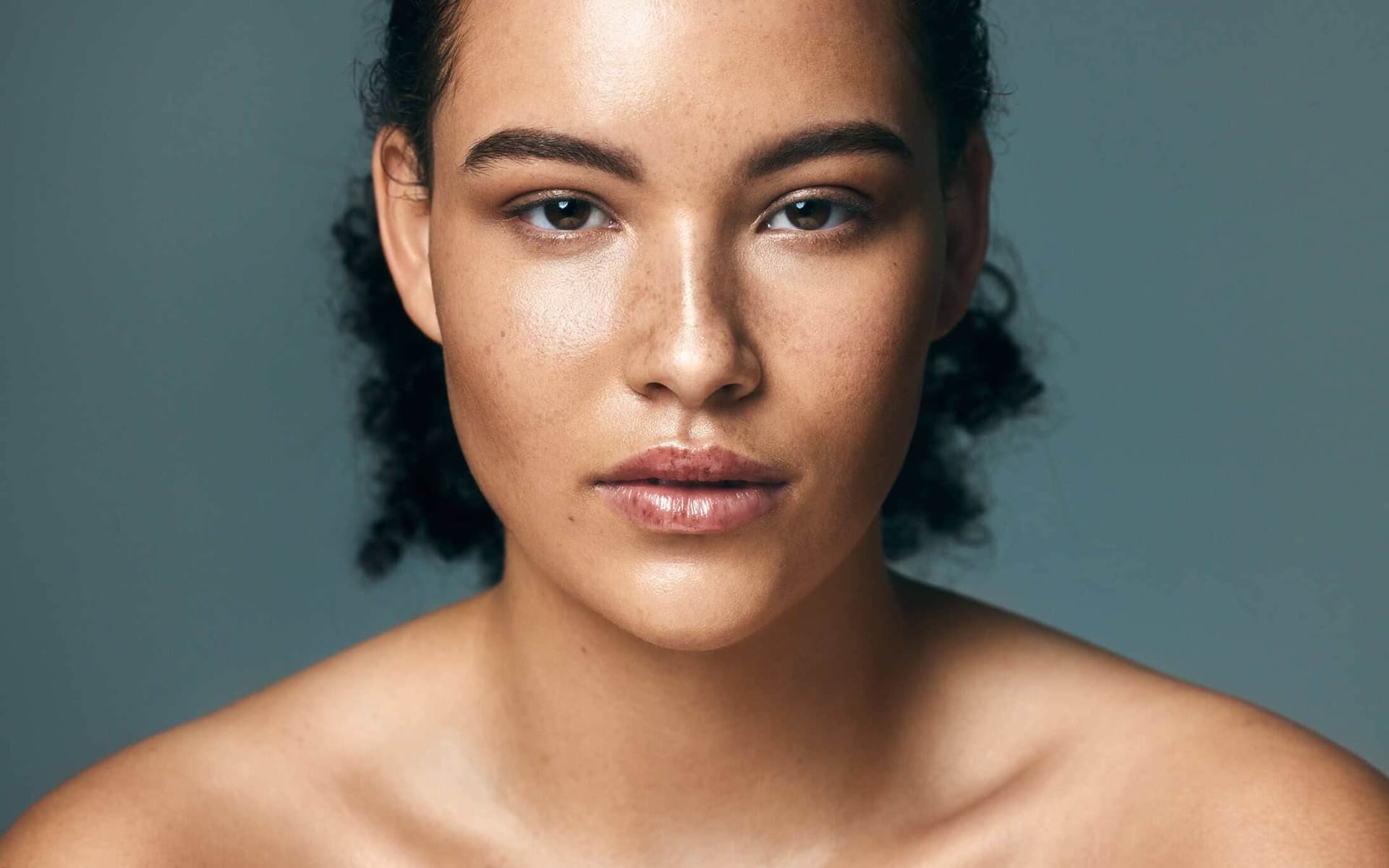
Pigmentation treatment at Cannelle Skin Clinic in Oxford starts by identifying whether you have sun damage, melasma or post-inflammatory marks, because each responds to something different. PicoSure, Lumecca IPL, peels and medical skincare are then matched to the type and depth.
Sun spots, melasma and the marks left by old spots look broadly alike in the mirror and respond to completely different treatment. Read them correctly and pigmentation is among the most satisfying things we treat. Read them wrongly and one of them comes back darker.
Underneath, all pigmentation comes down to melanocytes producing more melanin than the surrounding skin, or depositing it deeper than usual. What differs is the trigger. Ultraviolet exposure drives sun spots and freckling, and the pigment sits fairly superficially, which is why it responds well and quickly. Hormones drive melasma, which sits deeper and patchier, is prone to rebounding, and is genuinely managed rather than cured. Inflammation, from acne, an injury or an aggressive treatment, drives post-inflammatory pigmentation, which fades on its own timeline and can be helped along.
Depth matters as much as cause. Pigment sitting in the upper layers lifts readily. Pigment that has dropped into the dermis is far more stubborn, and matching the treatment to that depth matters more than the power of the device. Skin tone matters too: richer skin tones both pigment more readily and are more prone to pigmenting further in response to heat and light, which is why we choose the route by tone rather than by preference.
The British Association of Dermatologists guidance on melasma is worth reading if the pattern below sounds like yours.

Find the one that matches what you see. The type decides the treatment, and matching it correctly is what separates a result you notice from one you do not.
Ultraviolet driven
Discrete brown marks with defined edges, on the areas that catch the most light. Superficial, predictable and the most satisfying kind to treat. Usually clears in a small number of sessions.
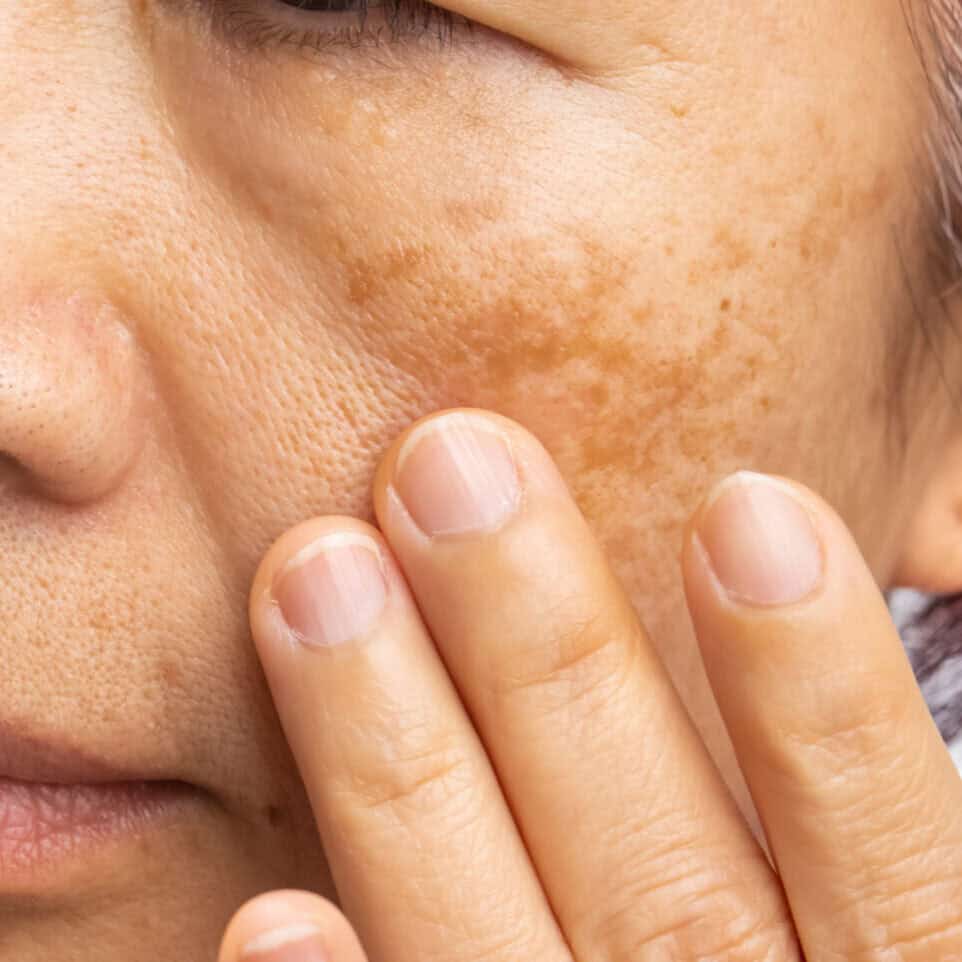
Hormonally driven
Larger, softer edged patches sitting symmetrically across the cheeks, forehead or upper lip. Triggered by hormones and heat as much as by light. This one is managed rather than cured, and aggressive treatment reliably makes it worse.
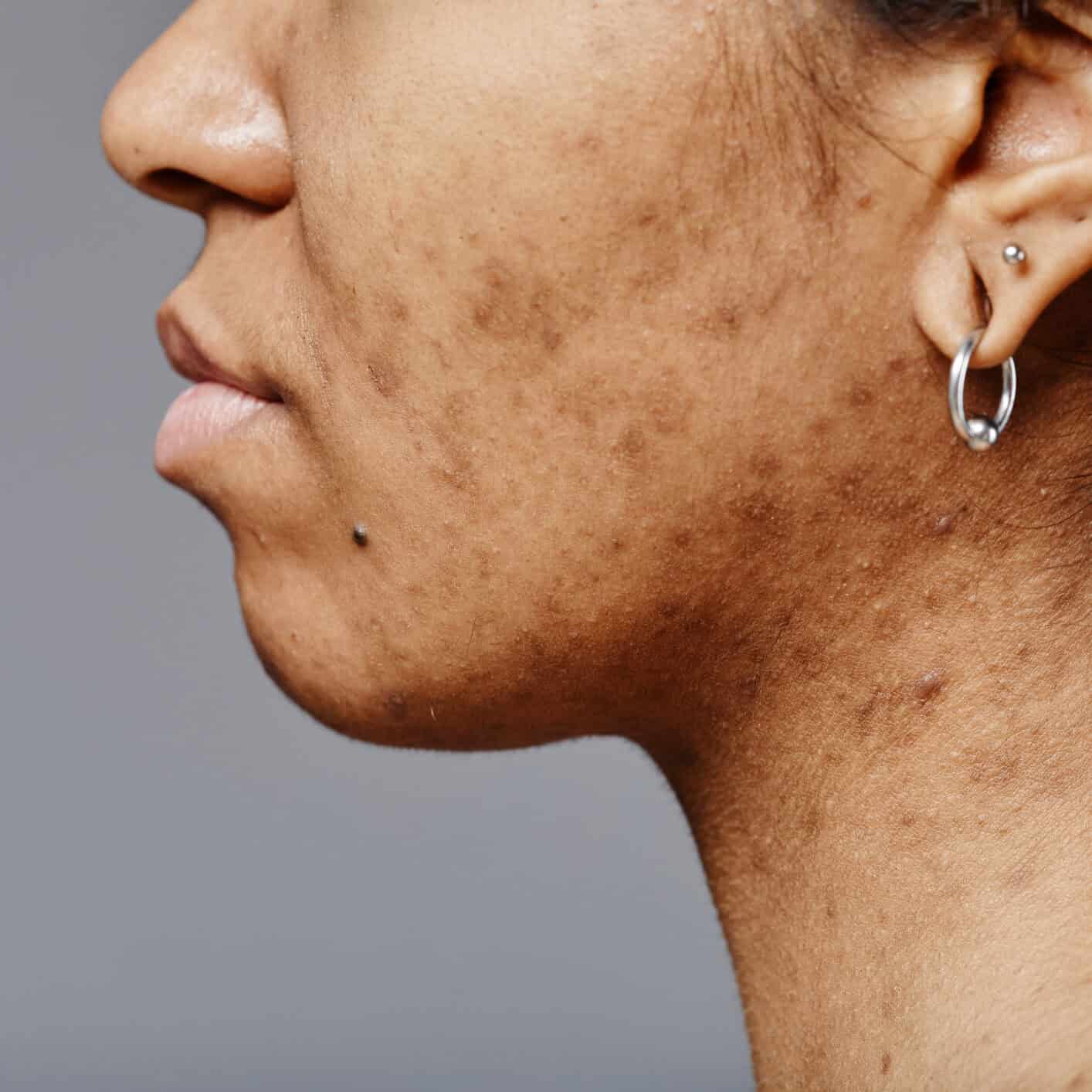
Left behind by inflammation
Flat brown or grey marks where a spot, a scratch or a reaction used to be. They fade on their own eventually, but slowly. Treatment shortens the timeline, and controlling whatever caused the inflammation matters more than the treatment does.
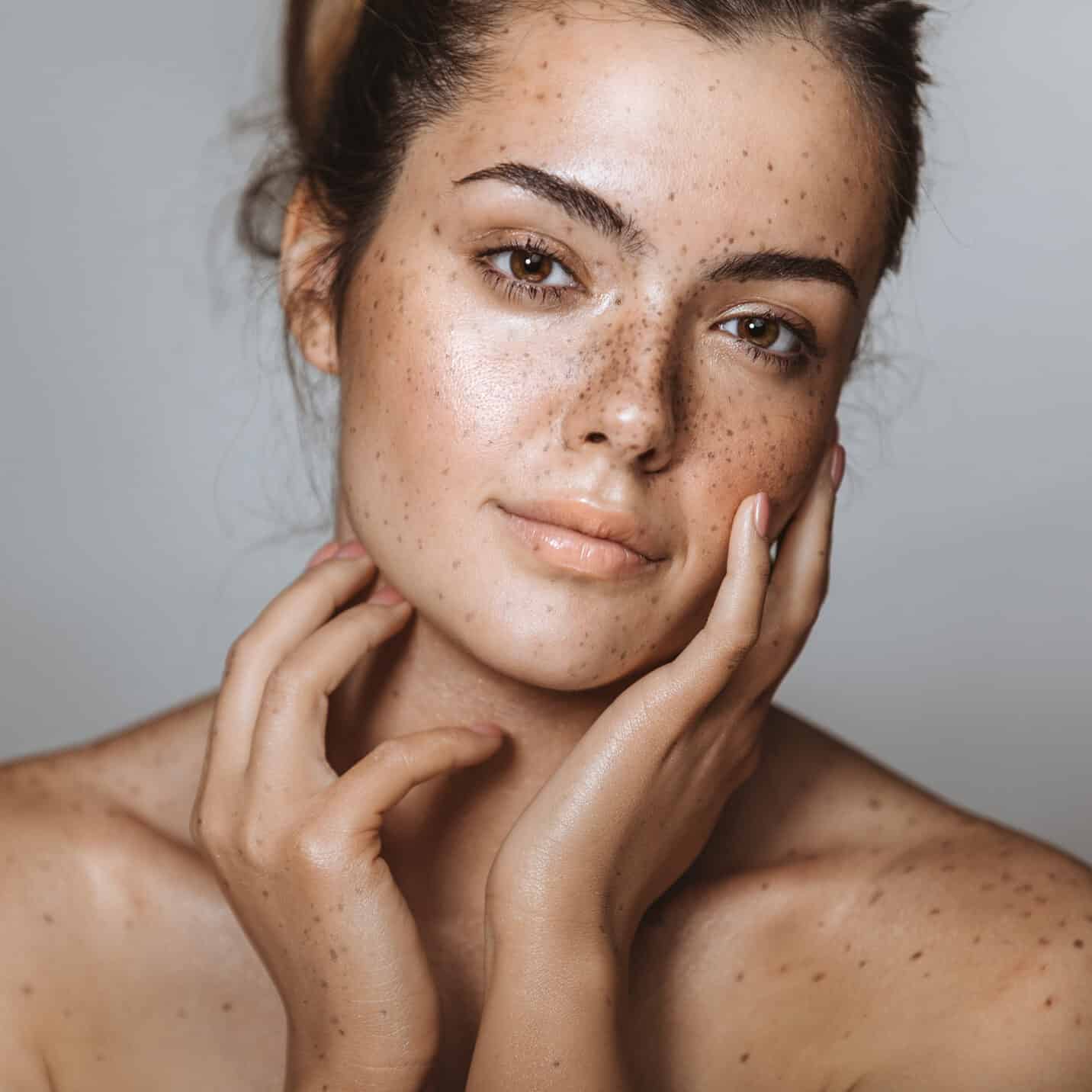
Often lifelong
Scattered small marks that darken every summer. Many people like them, and there is no obligation to treat. Where they are unwanted they clear readily, though without diligent sun protection they will return.
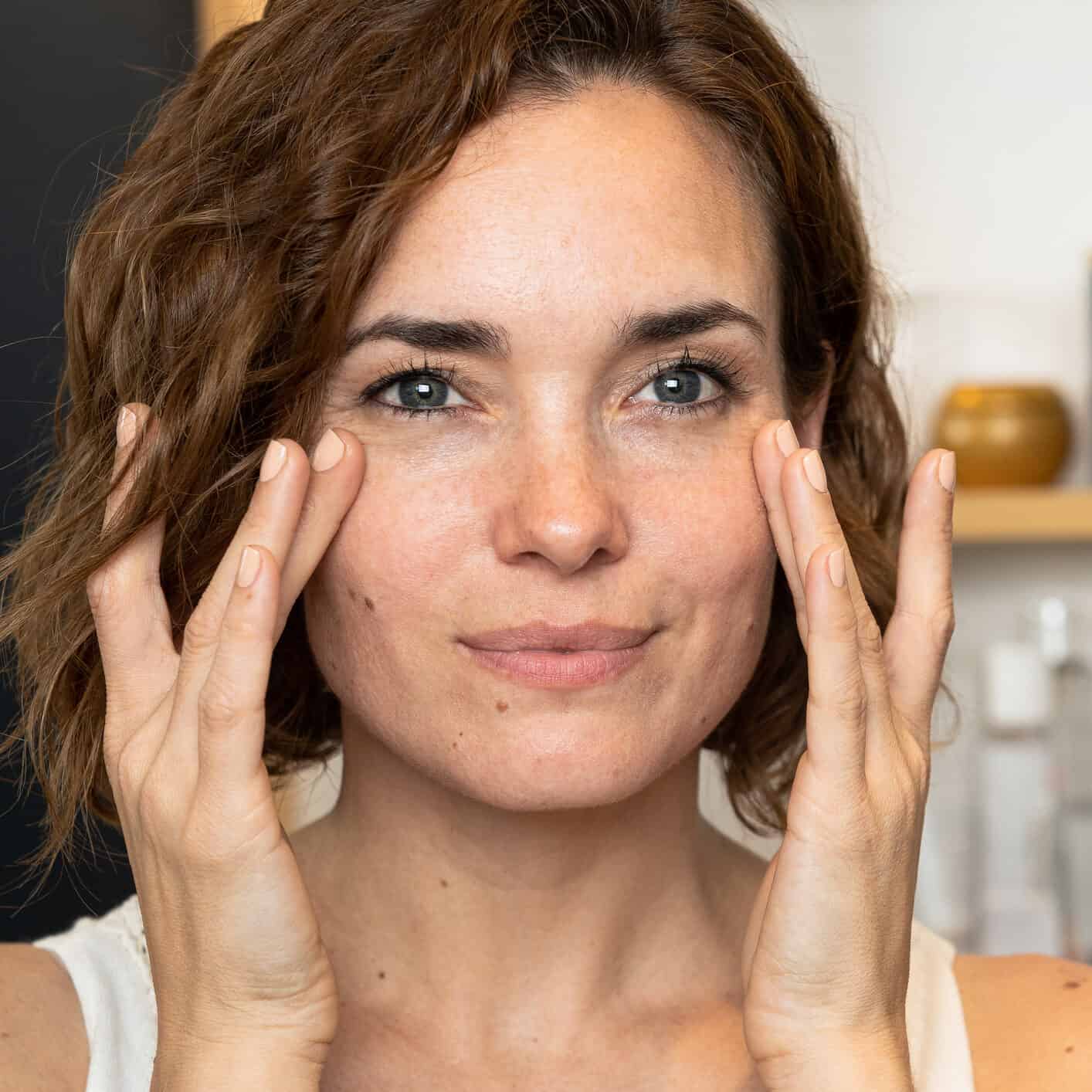
No single mark
Nothing you can point at, but the overall tone looks muddy and tired rather than clear. This responds better to resurfacing and consistent skincare than to anything aimed at individual spots.
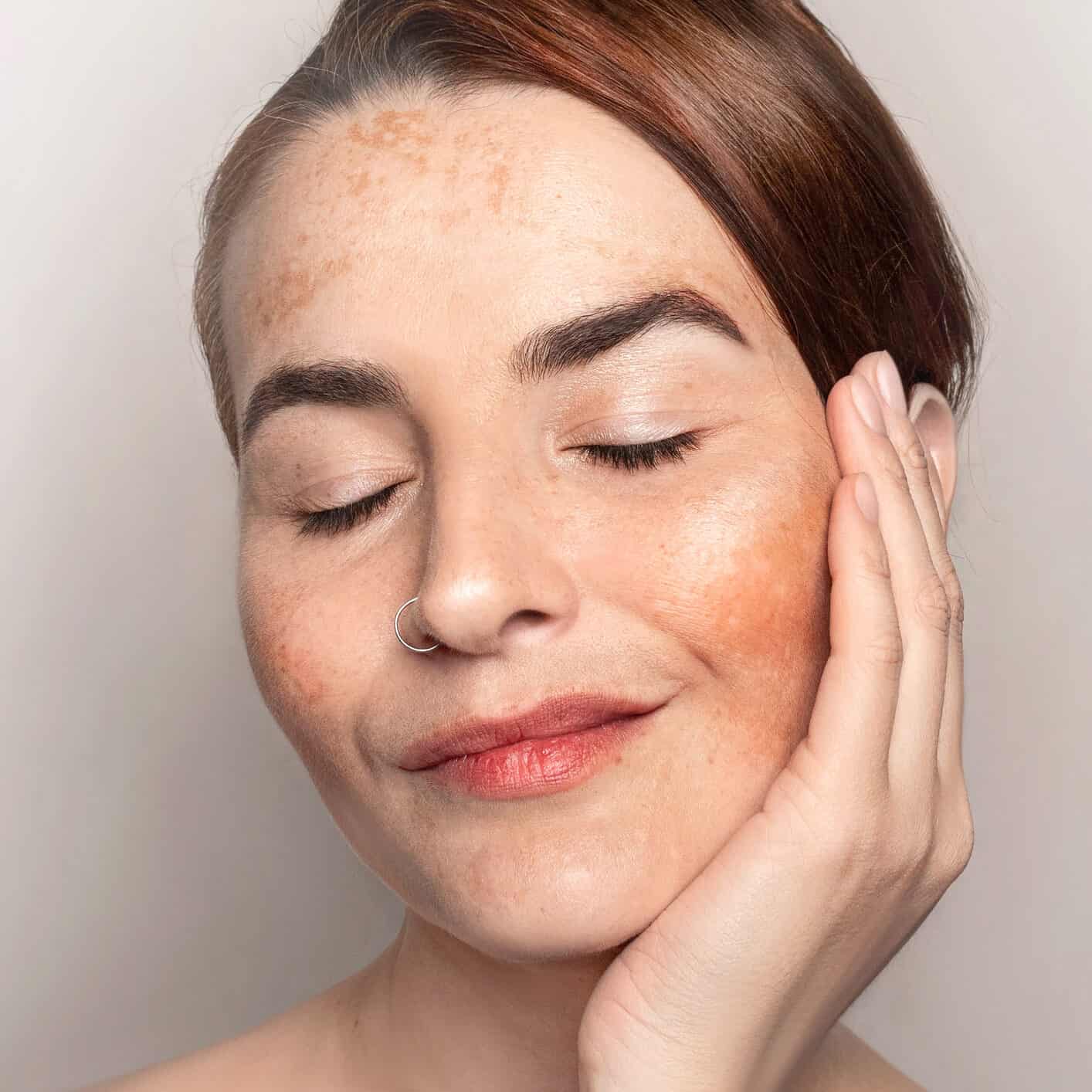
Timing matters
Pigment that arrived with pregnancy, the contraceptive pill or hormone treatment. We do not treat during pregnancy or breastfeeding, and some of it settles on its own afterwards. Sun protection in the meantime does most of the work.
The right route depends on your pigment type, its depth and your skin tone. Most plans combine an in clinic treatment with skincare, because pigment returns without daily protection.
| Compare | PicoSure laserFor stubborn and deeper pigment | Lumecca IPLFor superficial sun spots | Chemical peelsFor tone and surface marks | ZO Skin HealthFor holding the result |
|---|---|---|---|---|
 | 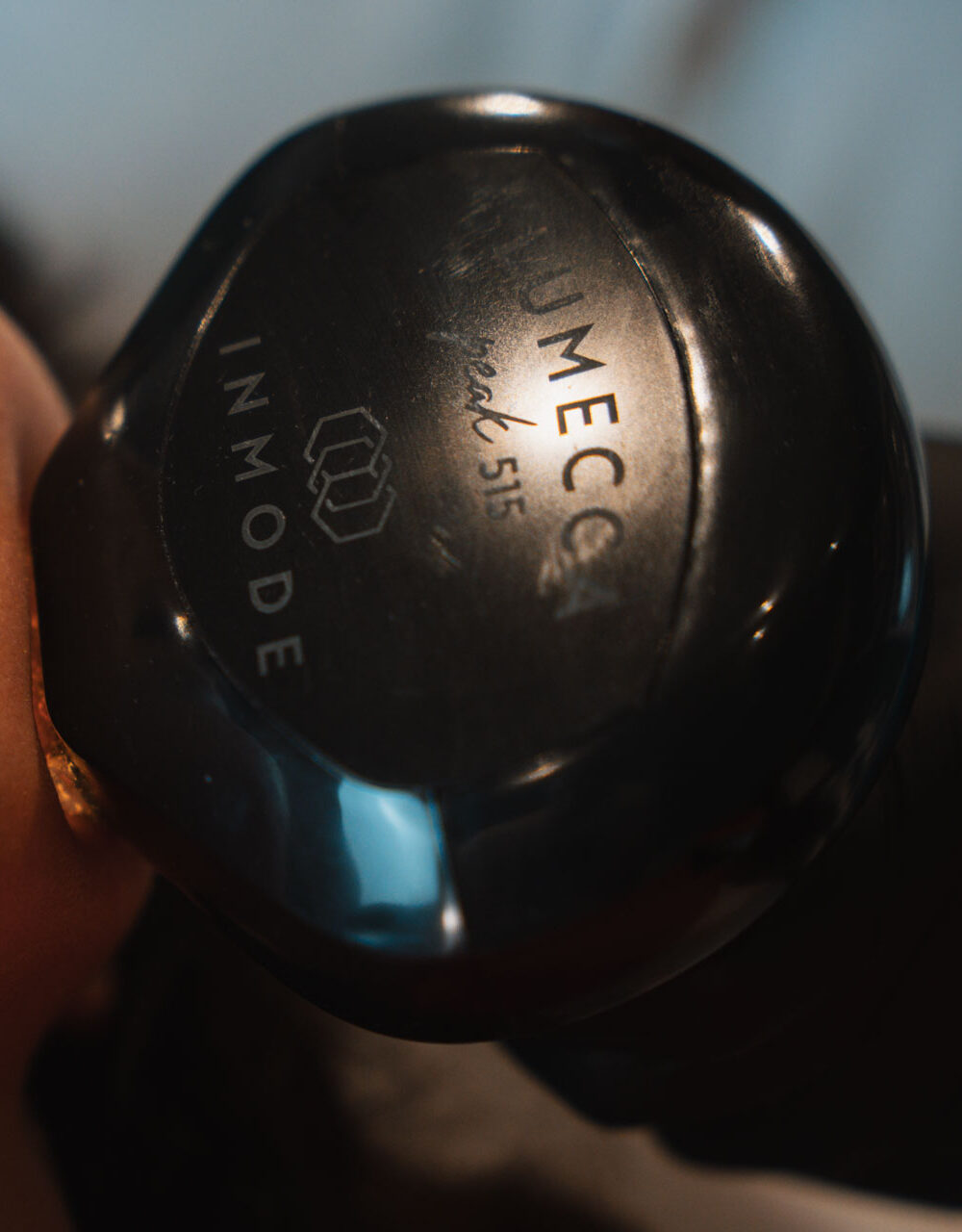 |  |  | |
| Best for | PicoSure laser Melasma, deeper pigment and stubborn marks | Lumecca IPL Discrete sun spots and freckling | Chemical peels Post-inflammatory marks and dull, uneven tone | ZO Skin Health Preventing pigment returning |
| Typical course | PicoSure laser Three to six sessions, spaced monthly | Lumecca IPL Two to three sessions, spaced monthly | Chemical peels Three to six, spaced fortnightly | ZO Skin Health Daily at home |
| Downtime | PicoSure laser Mild redness for a day | Lumecca IPL Spots darken then flake over one to two weeks | Chemical peels Light flaking for three to five days | ZO Skin Health None |
| Skin tones | PicoSure laser All skin tones, settings adjusted | Lumecca IPL Fair and medium tones, assessed first | Chemical peels All skin tones, strength adjusted | ZO Skin Health All skin tones |
| Price from | PicoSure laser Priced at consultation | Lumecca IPL £290 | Chemical peels £85 | ZO Skin Health Priced per product |
| See PicoSure | See Lumecca IPL | See chemical peels | See our skincare |
Which of these we reach for depends entirely on your pigment type and skin tone. Where melasma is involved we treat conservatively and slowly, because it is the one pattern that punishes an aggressive approach. UltraClear laser resurfacing is an option where pigment sits alongside genuine surface damage.
Picosecond laser
Ultra short pulses shatter pigment into particles fine enough for the body to clear, with far less heat than older lasers. Less heat matters enormously in pigmentation, because heat is what provokes melasma and post-inflammatory marks in the first place.
Intense pulsed light
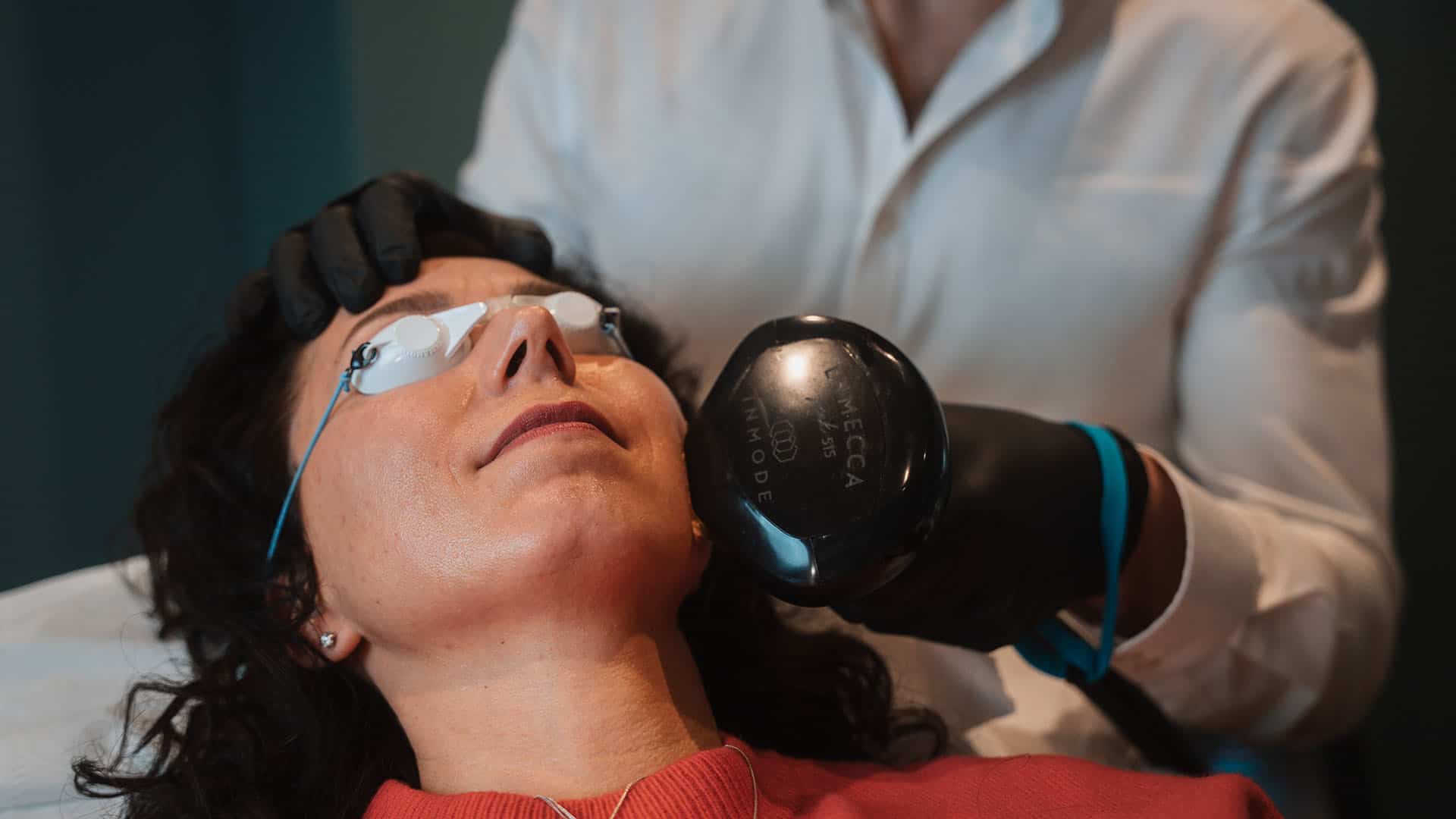
Light absorbed by superficial pigment, drawing sun spots to the surface where they darken and flake away. Excellent for straightforward ultraviolet damage on fair and medium skin, and the wrong choice for melasma or deeper skin tones.
Resurfacing
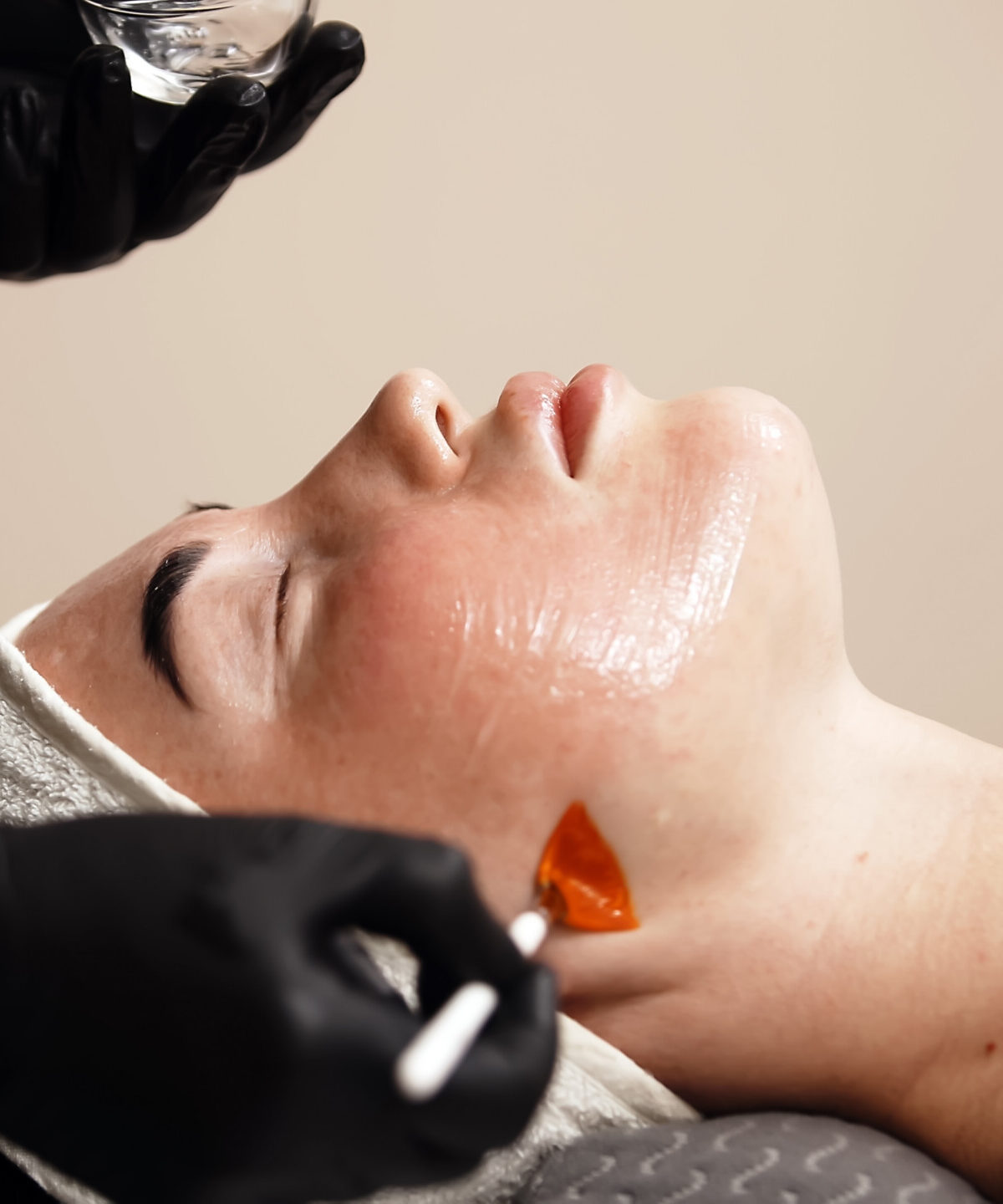
A controlled acid solution that lifts pigmented surface layers and evens tone gradually. Gentle, repeatable and safe across skin tones, which makes it the workhorse for post-inflammatory marks and general dullness.
Medical skincare
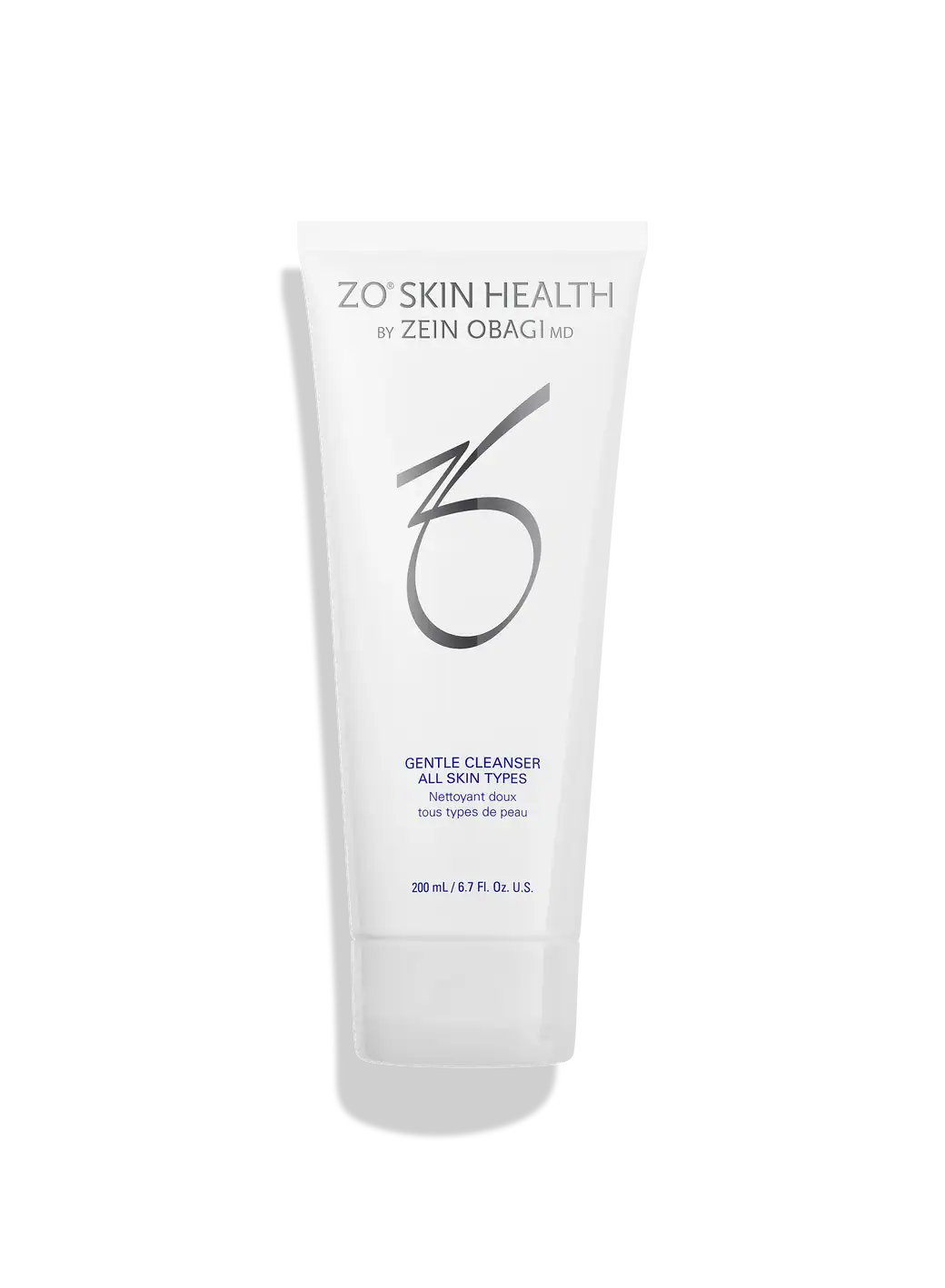
Daily sun protection plus targeted brightening actives. In pigmentation this is not the supporting act. Clearing pigment and then failing to protect it is how people end up paying for the same result twice.
The assessment is where most of the value sits, because the treatment is only as good as the diagnosis behind it.
Dr Mattia Parducci looks at edge definition, symmetry, distribution and how the pigment behaves under different light, because those features separate sun damage from melasma from post-inflammatory marks. He will ask about pregnancy, contraception and hormone treatment, about recent acne or skin injury, and about how your skin has reacted to previous treatment. Your skin tone is assessed properly rather than glanced at, since it changes which devices are safe.
Where melasma is involved he will say plainly that the aim is control rather than cure, and that the plan is deliberately gentle. Nobody leaves here with a course of aggressive light treatment for melasma, because that is the reliable way to make it rebound worse.
Avoid sun exposure and self tan for two weeks. Stop retinoids for around five days. Come without makeup and tell us about any hormone treatment, pregnancy or breastfeeding, all of which change what we can do.
PicoSure feels like a series of quick flicks and takes fifteen to thirty minutes. IPL is bright flashes with cold gel. Peels are applied for a few minutes and neutralised before you leave. None of them usually needs numbing.
Treated sun spots darken before flaking away over one to two weeks. Do not pick them. Daily broad spectrum sunscreen afterwards is essential rather than advisable, since unprotected skin simply redarkens. We review before each further session.
Pigmentation is the concern where home care carries the most weight, because the trigger is usually still present.
Daily broad spectrum SPF 50 is the foundation, every day of the year, reapplied if you are outdoors. For melasma specifically, a mineral sunscreen containing iron oxide is better, because visible light as well as ultraviolet drives it and tinted mineral filters block both. Vitamin C in the morning adds antioxidant protection and gradually brightens. Niacinamide interferes with pigment transfer and is well tolerated. A retinoid at night speeds turnover and fades superficial pigment over months rather than weeks. Heat matters too: saunas, hot yoga and steamy commutes provoke melasma independently of light.
Where home care stops is with pigment that has settled deeper into the skin. Topical actives work at the surface, so a decade old sun spot or established dermal melasma will not disappear from a serum, however diligent you are. Home care also cannot undo pigment that has been driven deeper by the wrong treatment, which is why the diagnosis matters so much.
If your marks are discrete and clearly sun driven, our sun damage page is a closer fit. For marks left behind by acne, see acne scarring.
Lumecca IPL starts at £290 per session and chemical peels at £85. PicoSure is priced at consultation because the area and the number of sessions vary widely. You will have a full figure before anything is booked.
No, and we would be misleading you to say otherwise. Melasma is hormonally driven and prone to returning. It can be controlled well, often to the point where it stops bothering you, but it needs ongoing management rather than a course and a goodbye.
They suit different pigment. IPL is excellent for superficial sun spots on fair to medium skin. PicoSure handles deeper and more stubborn pigment, works across a wider range of skin tones and generates far less heat, which matters for melasma.
Picosecond lasers are far safer on richer skin tones than older devices because they deliver less heat, but settings still have to be conservative. IPL is generally not the right choice for deeper tones. This is exactly what the assessment decides.
Straightforward sun spots often clear in two to three sessions. Melasma usually needs a longer, gentler course of three to six with ongoing maintenance. Deeper pigment takes longer than superficial pigment, always.
Treated marks do not return, but new pigment forms if the trigger persists. For sun damage that means daily sunscreen. For melasma it means sunscreen plus managing heat and hormones, which is why we call it management.
Usually because melasma was treated as though it were sun damage. Heat and aggressive light provoke melasma into rebounding darker. It is the most common reason people arrive here having already spent money.
No. We do not treat pigmentation during pregnancy or breastfeeding. Pregnancy related pigment often settles on its own in the months afterwards, and diligent sun protection in the meantime genuinely helps.
Yes, particularly for post-inflammatory marks and general uneven tone. They are gentle, repeatable and safe across skin tones, which makes them a good starting point when laser is not appropriate.
PicoSure feels like quick flicks of an elastic band and is over fast. IPL is a warm snap with cold gel. Peels tingle for a few minutes. None of them is an ordeal, and we can numb where you would prefer it.
Yes if any mark is changing in size, shape or colour, bleeding, itching or refusing to heal. We will not treat over a lesion that has not been assessed.
Yes, and it is the most important appointment in this concern. Identifying which type of pigmentation you have determines everything, and treating the wrong one is worse than doing nothing.
Verified Google reviews, left by people we have treated.
Fantastic. Very welcoming, explained the process and kept me updated throughout. I can already see an improvement in my skin texture and tone. Would highly recommend and cannot wait to return.
Natalia did an amazing job, she took the time to ask me my skin concerns and to adapt the facial to my needs. She recommended steps to add to my skincare routine and a couple products that would help. I had a great time!
I had a lovely facial here. Sajida took the time to listen to my skin concerns and recommend the appropriate treatment.
From the journal
Latest
Two record summers in a row have left new brown spots and a rougher surface on British faces. Here is how Cannelle in Oxford reads the marks, and why…
More from the journal
Blogs
Blogs

Blogs

Blogs

Blogs
Our clinic is located in Summertown, Oxford, just north of the city centre in one of Oxford’s most sought-after neighbourhoods. Discreet and easy to reach, we offer a premium setting for bespoke skin, aesthetic and wellness care.
We welcome patients from across Oxford city and Oxfordshire, including Summertown, Headington, Kidlington, Abingdon, Bicester, Witney and the surrounding towns and villages. Whether you’re coming for routine skin-health treatments or specialist aesthetic consultations, our location is well connected and simple to access.
Our clinic, Cannelle Skin Clinic, is just minutes from Oxford city centre and easily reached by car, bus or rail. Oxford’s mainline stations Oxford Station and Oxford Parkway are a short taxi or bus ride away, and regular services link to London, Reading, Didcot, Banbury and beyond.
By car, we’re conveniently accessed via key local routes with nearby parking options; by public transport, frequent bus routes along Banbury Road drop you within a short stroll of the clinic.
Whether you’re travelling from within Oxfordshire, further afield in the UK or internationally, our clinic offers a calm, personalised and professional environment for your visit.