Age Spots Treatment in London

Sun Damage Treatment

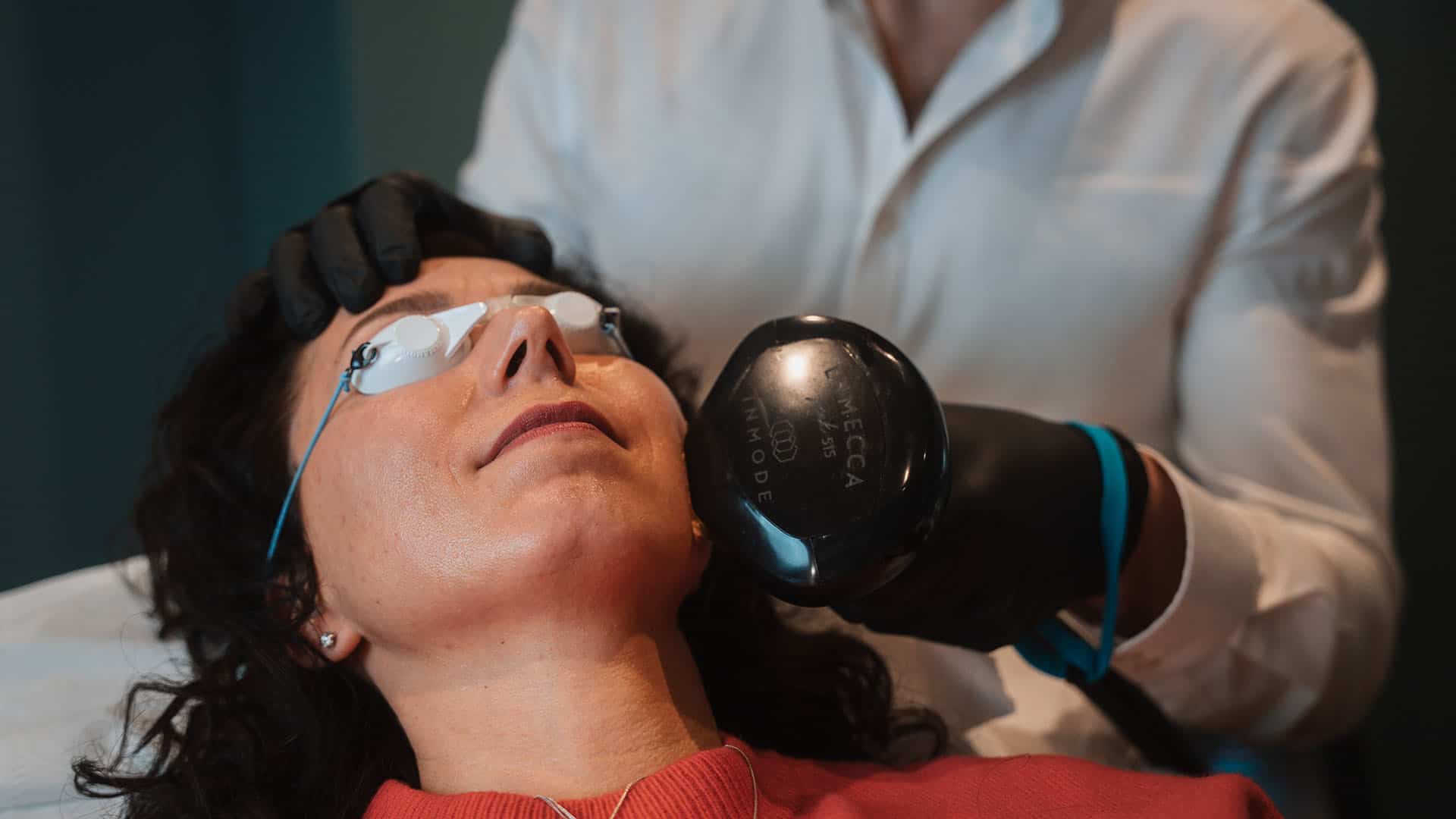
Sun damage treatment at Cannelle Skin Clinic in Oxford clears sun spots and evens mottled tone on the face, chest and hands. PicoSure, Lumecca IPL, chemical peels and medical skincare are matched to your skin tone and the depth of the pigment.

Sun damage

Treats
Sun spots, mottled tone, rough texture and dullness
Approaches
Lumecca IPL, chemical peels, medical skincare
Suitable for
Assessed by skin tone before any light treatment
Downtime
None to a week of flaking, depending on the route
First step
A skin assessment at the clinic

The bill for a summer twenty years ago

Most of the sun damage you are looking at was not acquired recently. Ultraviolet exposure accumulates quietly and presents its bill decades later, which is why it seems to arrive overnight in people who have been careful for years.

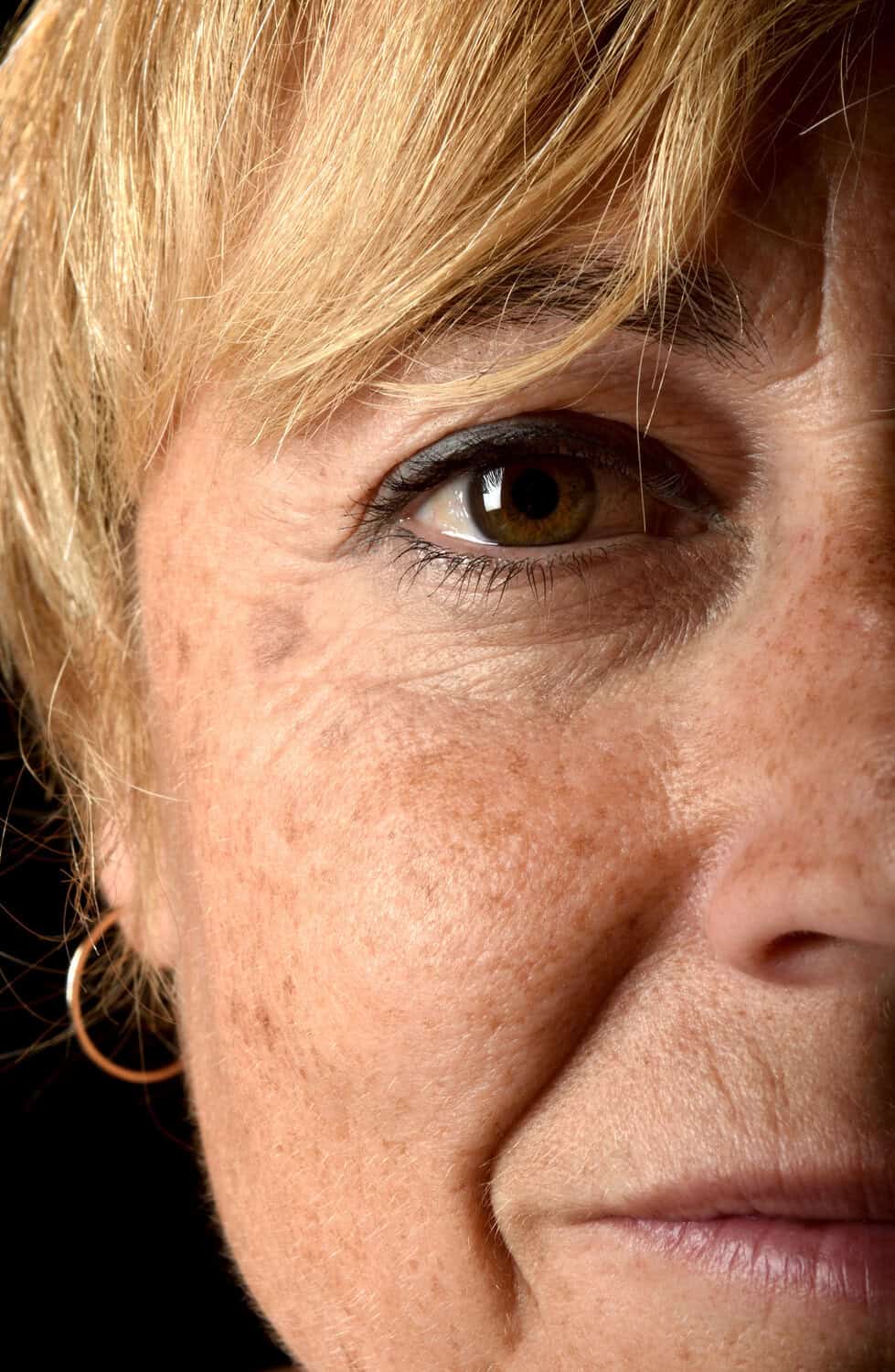
Two things are happening underneath. Melanocytes, the cells that produce pigment, respond to repeated ultraviolet exposure by clustering and overproducing in patches, which is what you see as sun spots, freckling and uneven tone. At the same time ultraviolet light degrades the collagen and elastin that give skin its firmness and smooth surface, which is why sun damaged skin also looks rougher, thinner and more crepey than protected skin of the same age. Compare the skin on your face with the skin on the inside of your upper arm and the difference is almost entirely ultraviolet exposure rather than time.

The important distinction we make at assessment is between damage that is safe to treat and a mark that needs a medical opinion. Anything changing in size, shape or colour, or that bleeds or will not heal, should be seen by a GP or dermatologist first. The NHS guidance on skin cancer is worth reading if anything on your skin is behaving oddly.

The rest, which is the large majority, responds well.

What Age Spots Are and Why They Appear

Which kind of sun damage do you have?

Sun damage shows differently depending on where it landed and how your skin responds. One of the five below is a reason to see your GP rather than us.

Comparing sun damage treatments at the clinic

Light clears the pigment, peels resurface the texture and skincare protects the result. Most people use at least two, and the skincare is not optional if you want the result to last.

ComparePicoSure laserFor stubborn, deeper pigmentLumecca IPLFor spots and uneven toneChemical peelsFor texture and dullnessZO Skin HealthFor protecting the result
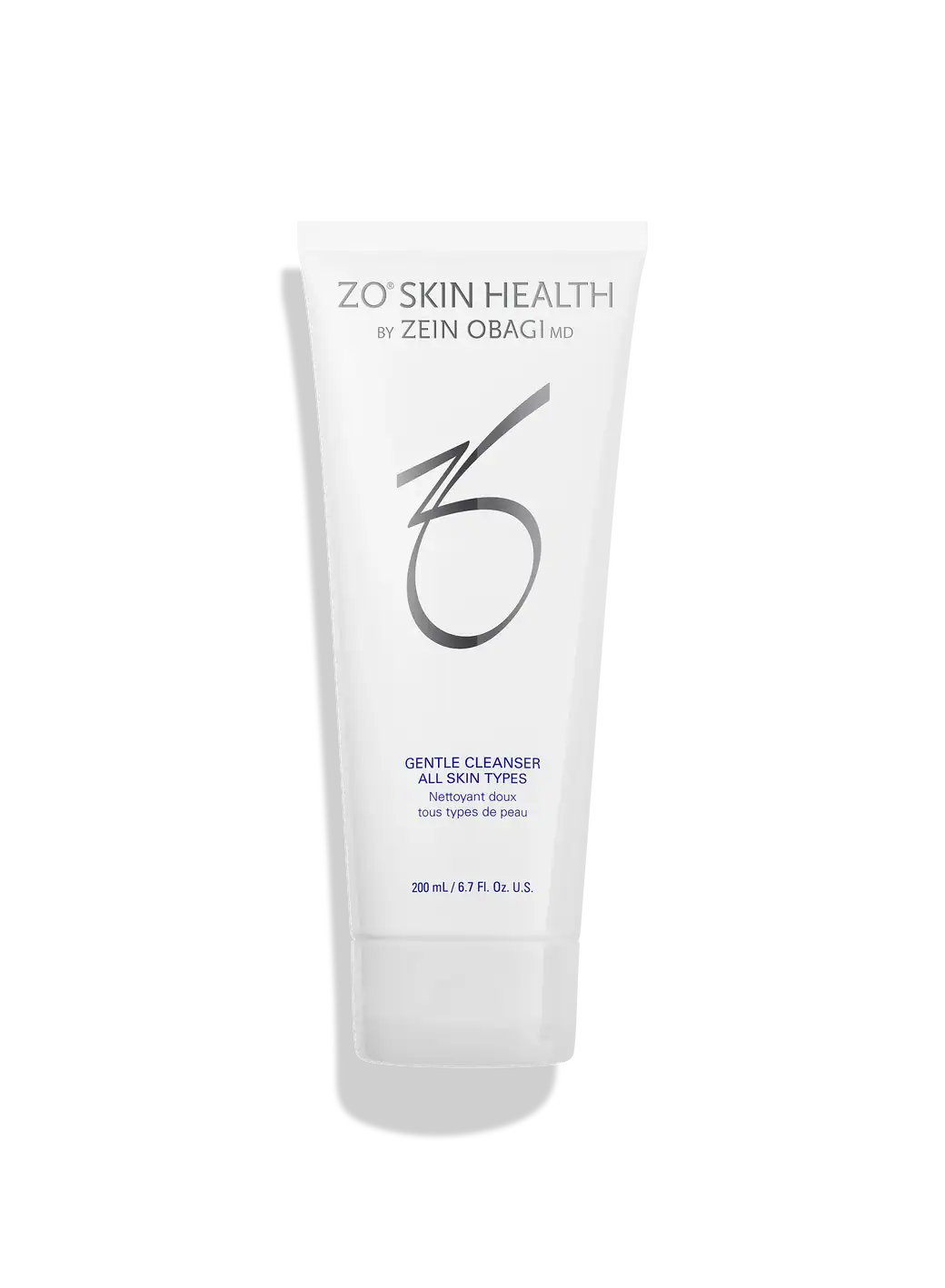
PicoSure laserLumecca IPLChemical peelsZOE Skin Health gentle cleanser for all skin types, 200ml bottle.
Best forPicoSure laser
Stubborn pigment that IPL has not cleared
Lumecca IPL
Discrete brown spots and mottled tone
Chemical peels
Rough texture, dullness and superficial pigment
ZO Skin Health
Preventing the damage coming straight back
Typical coursePicoSure laser
Three sessions, spaced monthly
Lumecca IPL
Two to three sessions, spaced monthly
Chemical peels
A course of three to six, spaced fortnightly
ZO Skin Health
Daily at home, reviewed with us
DowntimePicoSure laser
Mild redness for a day
Lumecca IPL
Spots darken then flake off over one to two weeks
Chemical peels
Light flaking for three to five days
ZO Skin Health
None
Skin tonesPicoSure laser
All skin tones, settings adjusted
Lumecca IPL
Best suited to fair and medium tones, assessed first
Chemical peels
All skin tones, strength adjusted
ZO Skin Health
All skin tones
Price fromPicoSure laser
Priced at consultation
Lumecca IPL
£290
Chemical peels
£85
ZO Skin Health
Priced per product
See PicoSureSee Lumecca IPLSee chemical peelsSee our skincare
PicoSure laserFor stubborn, deeper pigment
PicoSure laser
Best for
Stubborn pigment that IPL has not cleared
Typical course
Three sessions, spaced monthly
Downtime
Mild redness for a day
Skin tones
All skin tones, settings adjusted
Price from
Priced at consultation
See PicoSure
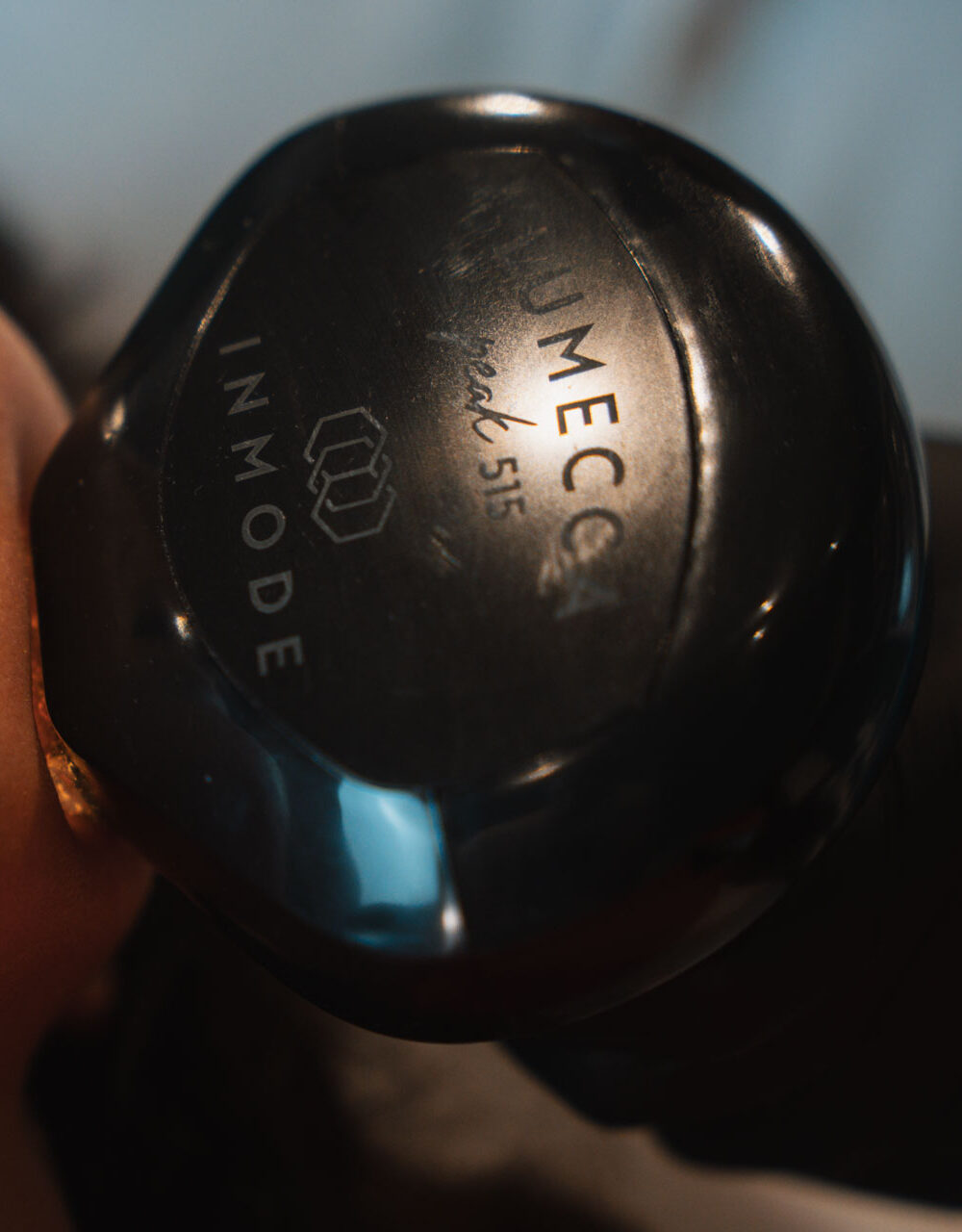
Lumecca IPLFor spots and uneven tone
Lumecca IPL
Best for
Discrete brown spots and mottled tone
Typical course
Two to three sessions, spaced monthly
Downtime
Spots darken then flake off over one to two weeks
Skin tones
Best suited to fair and medium tones, assessed first
Price from
£290
See Lumecca IPL
Chemical peelsFor texture and dullness
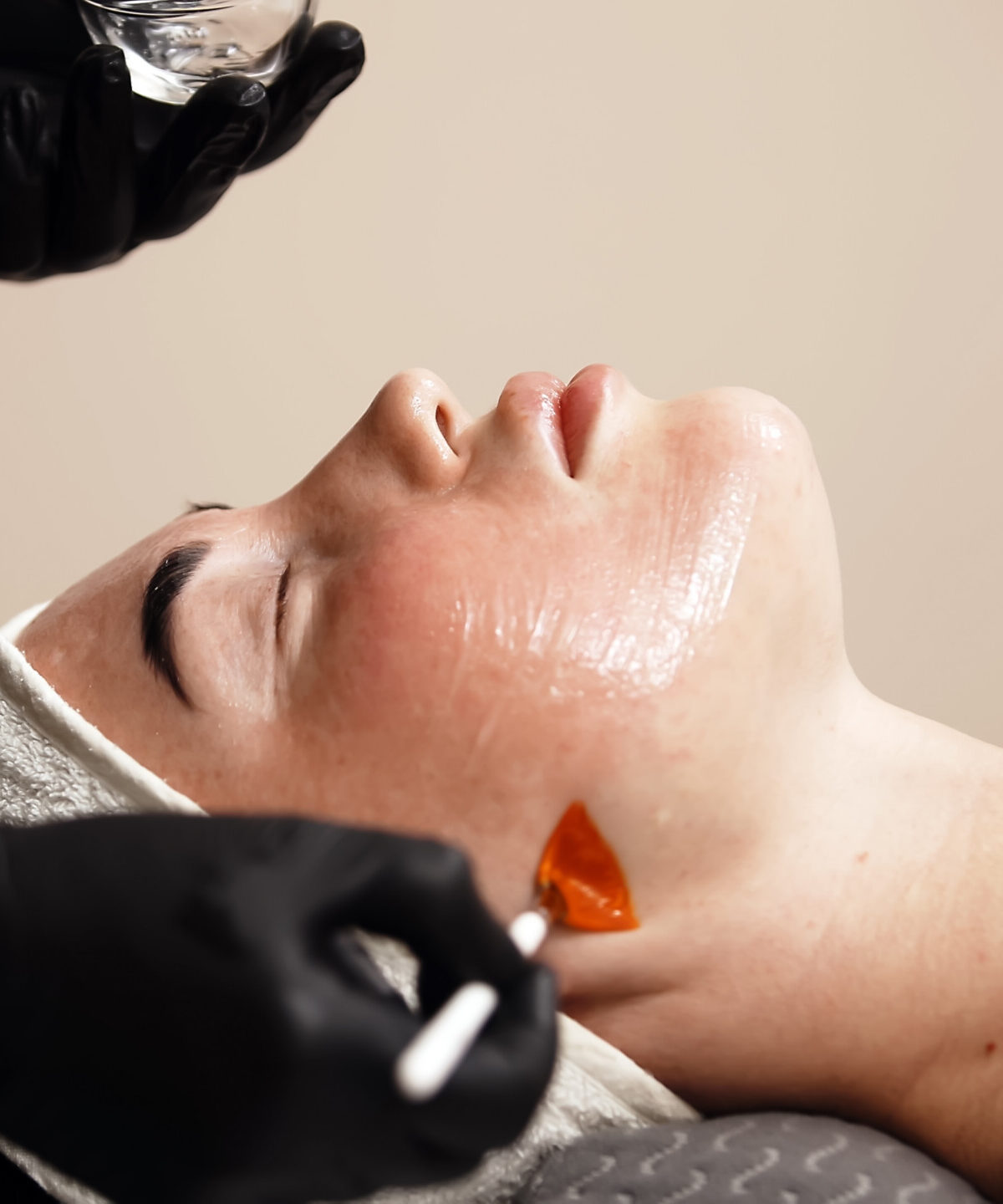
Chemical peels
Best for
Rough texture, dullness and superficial pigment
Typical course
A course of three to six, spaced fortnightly
Downtime
Light flaking for three to five days
Skin tones
All skin tones, strength adjusted
Price from
£85
See chemical peels
ZO Skin HealthFor protecting the result
ZOE Skin Health gentle cleanser for all skin types, 200ml bottle.
Best for
Preventing the damage coming straight back
Typical course
Daily at home, reviewed with us
Downtime
None
Skin tones
All skin tones
Price from
Priced per product
See our skincare

The treatments we use for sun damage

These three cover the two halves of sun damage: the pigment and the texture. Microneedling and HydraFacial often run alongside where the surface needs more work. UltraClear laser resurfacing treats the texture and the tone together where sun damage has roughened the surface as well as marked it.

How Dr Mattia assesses sun damage

The assessment does two jobs: it separates safe sun damage from anything that needs a medical opinion, and it works out whether your pigment is superficial enough to respond.

Dr Mattia Parducci examines the marks themselves, looking at edge definition, symmetry and depth, because those features separate straightforward sun spots from melasma and from anything suspicious. Skin tone matters a great deal here: intense pulsed light targets pigment, so on deeper skin tones it carries a real risk of causing the very thing you came to fix. We assess that properly and route you to peels and skincare where those give the better outcome.

If anything looks like it needs a dermatologist, we will say so and stop there. That is not us being cautious for the sake of it; treating over an unassessed lesion is how genuine problems get missed.

Before your appointment

Avoid sun exposure and self tan for two weeks beforehand, since treating recently tanned skin is unsafe. Stop retinoids for around five days. Come without makeup, and point out anything that has changed recently.

During the appointment

IPL is a series of bright flashes with cold gel, felt as a warm elastic band snap, taking around twenty minutes for a full face. Peels are applied for a few minutes with a tingling or warm sensation and are neutralised before you leave.

Afterwards

Sun spots go darker before they go, usually flaking away over one to two weeks. Do not pick them. Peels flake for three to five days. Daily sunscreen afterwards is genuinely non negotiable, because unprotected skin will simply redarken.

Protecting your results at home

More than for most concerns, home care decides whether clinic treatment was worth paying for.

Daily broad spectrum SPF 30 or higher is the whole foundation, applied every day of the year rather than on sunny holidays, because ultraviolet A passes through cloud and window glass. A well formulated vitamin C serum in the morning adds antioxidant protection and gradually brightens tone. A retinoid at night speeds cell turnover and, used consistently over months, genuinely fades superficial pigment and improves texture. Niacinamide is a useful, gentle addition that interferes with pigment transfer.

Where home care runs out is with established, deeper sun spots. Topical actives work on the surface and fade what is superficial, but a defined brown spot that has been there for a decade will not disappear from a serum however diligent you are. Home care also cannot rebuild the collagen that ultraviolet exposure has already degraded.

If your concern is more about symmetrical patches than discrete spots, our page on pigmentation covers melasma, which behaves quite differently. For roughness and enlarged pores rather than colour, see textured skin.

Can You Fade Age Spots at Home?

Sun damage questions, answered

How much does sun damage treatment cost in Oxford?

Lumecca IPL starts at £290 per session, with a course of three at £740. Chemical peels start at £85. Skincare is priced per product. Your plan and total are agreed at your assessment.

How many sessions will I need?

Most people need two to three IPL sessions spaced about a month apart for sun spots. Peels are usually a course of three to six. A great deal of pigment lifts after the first IPL session, which is why it is a satisfying treatment.

Do the spots come back?

The ones treated do not return, but new ones will form if the skin keeps taking ultraviolet exposure. That is exactly why daily sunscreen afterwards matters more than the treatment itself.

Is IPL safe for my skin tone?

It depends on your tone. IPL targets pigment, so on deeper skin tones it can cause unwanted pigment change rather than clearing it. We assess this before treating and will recommend peels and skincare instead where that is safer.

Why do my spots go darker afterwards?

That is the treatment working. The pigment is drawn toward the surface, darkens like coffee grounds for a few days, then flakes away over one to two weeks. Do not pick or exfoliate it.

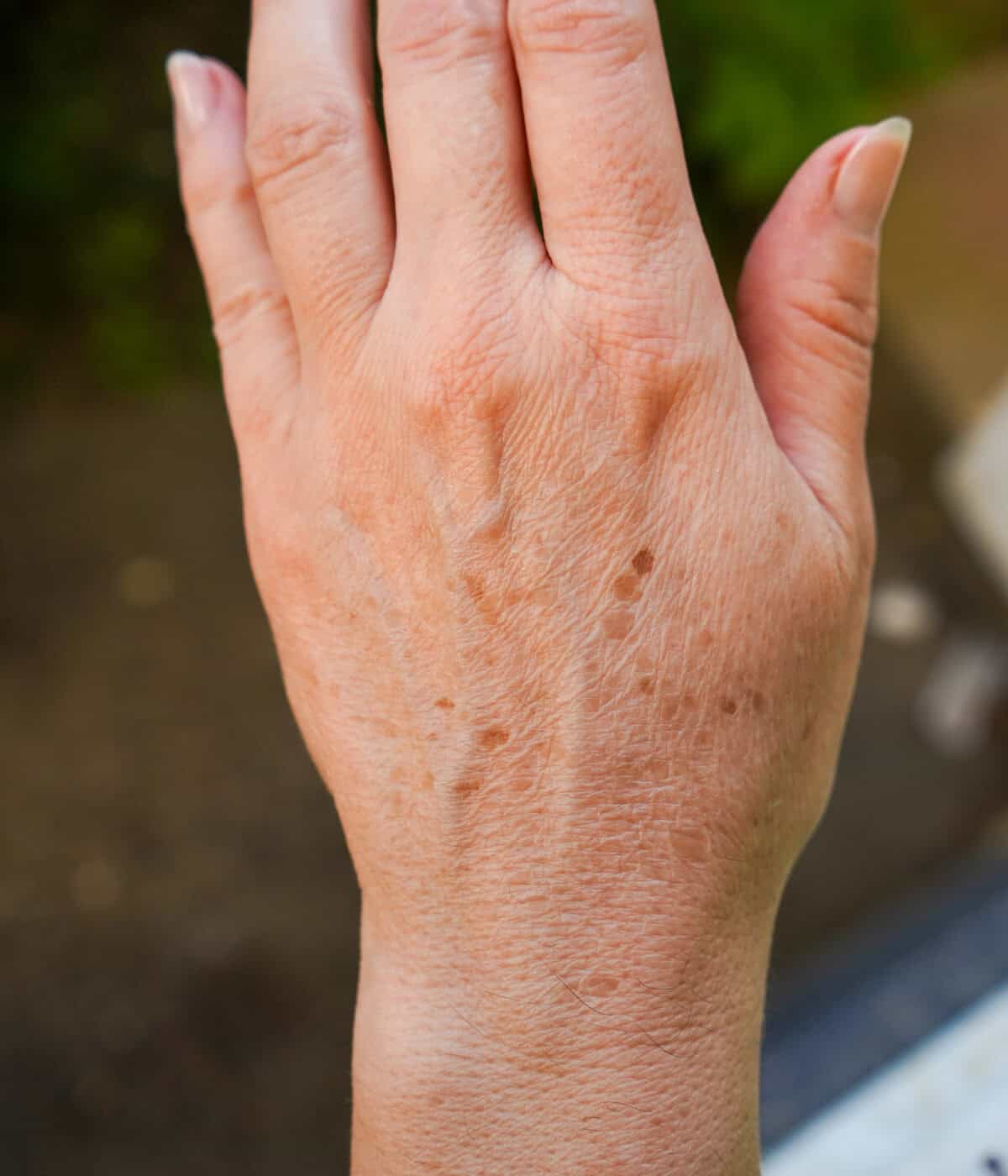
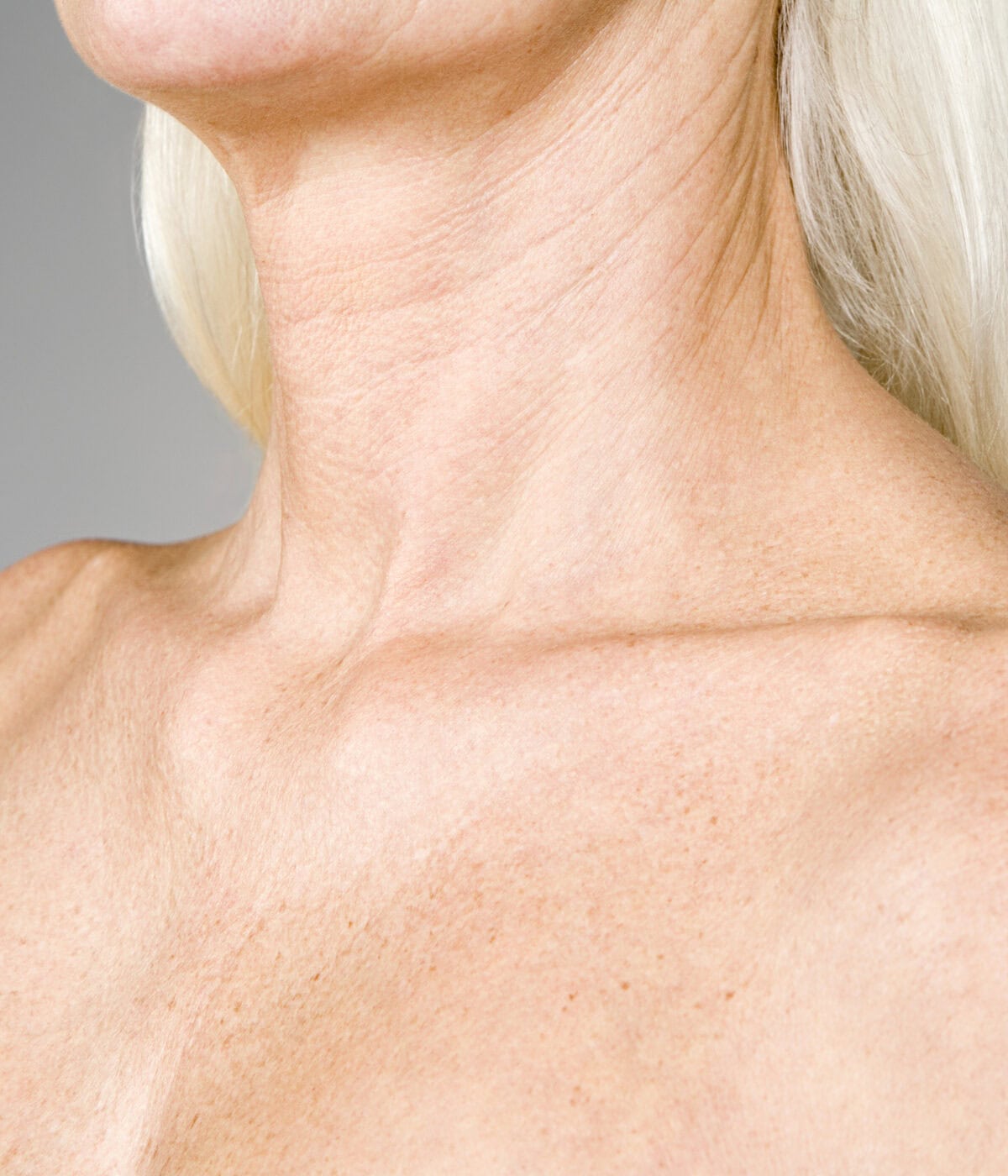
Can you treat sun damage on my hands and chest?

Yes, and both are among the most commonly requested areas. The chest is thinner skinned so we use gentler settings, and results there build over slightly more sessions than on the face.

What is the difference between sun damage and melasma?

Sun spots are discrete, well defined and driven by ultraviolet exposure. Melasma is larger, softer edged, symmetrical and hormonally driven. IPL clears the first and can worsen the second, which is why telling them apart matters.

Should I have a mole checked before treatment?

If anything has changed in size, shape or colour, or itches, bleeds or will not heal, please have it checked by your GP first. We will not treat over an unassessed lesion.

Does treatment help with texture as well as colour?

Peels do, and so does the collagen response after a course of IPL, though to a lesser degree. If roughness is your main complaint rather than colour, peels or microneedling are the better starting point.

Can I have treatment in summer?

You can, but it needs more discipline. Skin must not be recently tanned before treatment and must be properly protected afterwards. Many people prefer to run a course through autumn and winter for that reason.

Does it hurt?

IPL is brief and most people describe it as a warm elastic band snap with cold gel throughout. Peels tingle or feel warm for a few minutes. Neither needs numbing for most people.

Do I need a consultation first?

Yes. It is where we confirm the pigment is safe to treat, check your skin tone against light based treatment and separate sun damage from melasma. All three change what we would recommend.

4.8 ★★★★★

What our clients say

Verified Google reviews of the clinic.

Fantastic. Very welcoming, explained the process and kept me updated throughout. I can already see an improvement in my skin texture and tone. Would highly recommend and cannot wait to return.

Lucy Sammons
Lucy Sammons01/01/1970
View on Google

Natalia did an amazing job, she took the time to ask me my skin concerns and to adapt the facial to my needs. She recommended steps to add to my skincare routine and a couple products that would help. I had a great time!

Guillaume Decotte
Guillaume Decotte01/01/1970
View on Google

I go to Cannelle for facials, manicures and pedicures. The team is professional, skilled and attentive. It is a lovely, relaxing environment and my skin has never looked better.

Mary Anne Davies
Mary Anne Davies01/01/1970
View on Google

How can you find us?

Our clinic is located in Summertown, Oxford, just north of the city centre in one of Oxford’s most sought-after neighbourhoods. Discreet and easy to reach, we offer a premium setting for bespoke skin, aesthetic and wellness care.

We welcome patients from across Oxford city and Oxfordshire, including Summertown, Headington, Kidlington, Abingdon, Bicester, Witney and the surrounding towns and villages. Whether you’re coming for routine skin-health treatments or specialist aesthetic consultations, our location is well connected and simple to access.

Our clinic, Cannelle Skin Clinic, is just minutes from Oxford city centre and easily reached by car, bus or rail. Oxford’s mainline stations Oxford Station and Oxford Parkway are a short taxi or bus ride away, and regular services link to London, Reading, Didcot, Banbury and beyond.

By car, we’re conveniently accessed via key local routes with nearby parking options; by public transport, frequent bus routes along Banbury Road drop you within a short stroll of the clinic.

Whether you’re travelling from within Oxfordshire, further afield in the UK or internationally, our clinic offers a calm, personalised and professional environment for your visit.


Opening hours
Monday
8 am–6 pm
Tuesday
8 am–6 pm
Wednesday
8 am–8 pm
Thursday
8 am–8 pm
Friday
8 am–8 pm
Saturday
8 am–6 pm
Sunday
Closed
Cannelle Skin Clinic
1 Oakthorpe Rd, Summertown, Oxford OX2 7BD
Get directions
Contact the team
Whatsapp