Two record summers in a row have left new brown spots and a rougher surface on British faces. Here is how Cannelle in Oxford reads the marks, and why the weeks before mid-October are the ones to use.
You caught sight of your cheek in the car mirror this week and something had changed. There are new brown spots across the cheekbone, and the light catches lines that were softer in May. That is the summer showing up, and September is when it always arrives. Cannelle Skin Clinic in Oxford has two lasers for exactly this, and they do different jobs.
The Met Office confirmed on 1 September that summer 2026 is provisionally the hottest the UK has recorded. The season averaged 16.5°C, and the thermometer at Kew reached 38.1°C on 13 August. It followed the record of 2025, which means your skin has now absorbed two record summers in a row rather than one unusual season. Ipsos found that 43 percent of UK adults were sunburnt in the past year.
Two records in two years is a great deal of ultraviolet for one face to carry. Sun damage shows up in two quite different ways, and the treatment follows the mark rather than your preference. Pigment is one problem and a roughened, more lined surface is another. Dr Mattia Parducci (GMC 7635663) assesses every new or changing spot himself before any laser is switched on.
He performs every UltraClear session in Oxford himself, and every PicoSure plan and setting is his. That confidence comes from more than 100 of these laser treatments at our sister clinic in London, Dr Joney De Souza Skin & Laser. More about his work sits on his profile page.
Ultraviolet does its work quietly, and your skin shows it months later. Pigment cells respond to sunlight by making more melanin, and they do not always switch off evenly afterwards. Some of that pigment gathers into the discrete brown marks that sit across cheekbones, temples, the chest and the backs of the hands. Each one is a record of a day you enjoyed.
The other change is in the surface itself. Repeated sun exposure breaks down the collagen beneath your skin, so fine lines deepen and the surface grows rougher to the touch. Light stops bouncing off an even plane and starts catching in every crease. That is why skin can look tired in September even when the tan still flatters it.
Oxford gives ultraviolet more chances than most cities do. Seventeen percent of commuters here cycle, so a great many faces spend the summer at road level in full daylight rather than behind glass. Add the river, the towpath walks and a long season of visitors, and the exposure gathers up. Sunscreen helps enormously, and only four in ten of us reach for it most of the time.
Two marks can sit an inch apart and need two different lasers. Telling them apart is the first job of your consultation, and it is easier than it sounds once you know what to look for. One is a question of colour and the other is a question of surface.
A spot. A sun spot is flat and brown with a defined edge, and it sits in the skin rather than on it. You can cover it with concealer and it disappears completely. It is pigment, so it is PicoSure work. Freckles, age spots and the marks left behind by breakouts all belong in this group.
A surface change. Roughness, fine lines and a dullness that no serum lifts belong to the surface itself. Concealer gathers in it rather than covering it, and the skin feels different under your fingers. That is UltraClear work, because the surface has to be renewed rather than lightened. Many faces carry both, which is why the two lasers so often share a plan.
[ASSET PLACEHOLDER 1: Two-panel graphic, spot or surface, showing which mark goes to which laser. Credit: Cannelle Skin Clinic]
PicoSure is a 755 nanometre picosecond laser, and the speed is what matters. The pulse is gone in about a trillionth of a second, so pigment is shattered by pressure rather than heated. The fragments are fine enough for your lymphatic system to carry away over the following weeks. The surface of your skin stays where it is, so most people return to the day pink and warm for a few hours.
It treats pigment and ink, which is exactly what a hot summer leaves behind. Sun spots, age spots, freckles, uneven tone, melasma and post-breakout marks all answer to it. Pigmentation usually takes a course of three, four to six weeks apart, with a visible lift after the first. The PicoSure page sets out the areas and the prices, which start from £230.
Melasma wants the full course and maintenance once or twice a year alongside daily sun protection. A small 2026 case series in the Journal of Cosmetic Dermatology reported pigment reduction with minimal side effects in Fitzpatrick III to V skin. Published reviews place picosecond lasers among the devices shown to be safe for darker skin, where heat-based devices carry a higher risk of dark marks.
Clearing pigment across a whole area is what makes skin look brighter and more even. Our pages on pigmentation and sun-damaged skin set out what Dr Mattia looks for at the assessment. He sets the settings himself and patch-tests before the first full session.
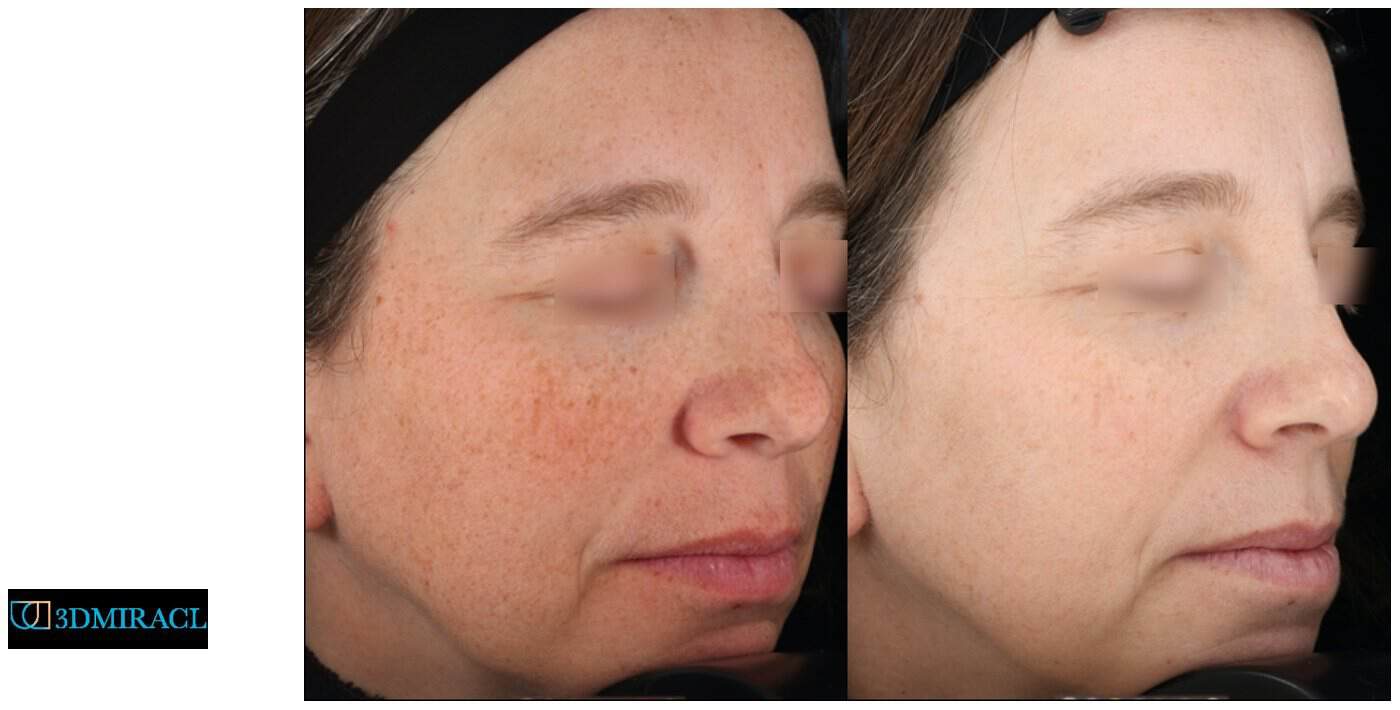
[ASSET PLACEHOLDER 2: Before and after. PicoSure, sun spots across the cheekbone after a course of three. Credit: Images courtesy of Cynosure]
UltraClear is a 2910 nanometre cold fibre laser, and at Cannelle it is performed by Dr Mattia, the only doctor in Oxford with more than a hundred of these treatments already behind him. It resurfaces through thousands of microscopic channels, lifting away the damaged surface and letting your skin rebuild collagen beneath. About 95 percent of its energy removes tissue and only about 5 percent lingers as heat, which stays inside the channel rather than spreading sideways. That is what shortens healing.
One laser, three treatments, and the concern decides which of them Dr Mattia uses. 3DMIRACL is the lightest pass, for dull tone, early sun damage and brightness, and it takes ten to fifteen minutes with no numbing. You feel a warmth like mild sunburn that settles within hours, with no formal downtime and a faint pink at most. It suits a monthly rhythm rather than a course.
The UltraClear depth reaches the mid dermis, where fine lines, texture, deeper sun damage, open pores and mild scarring live. Expect three to seven days of flushing and flaking while the new surface comes through, and typically two or three sessions three to four months apart.
Laser Coring is the deepest treatment, for established acne scarring and long-standing texture. It removes micro-columns of tissue under topical numbing, so there is pinpoint bleeding on the day and seven to fourteen days of healing. Often one to three sessions, four to six months apart, is the whole plan.
After the deeper treatments the first real change shows once healing finishes, and it keeps coming for months. Texture, tone and firmness improve for three to six months as collagen reorganises, so Dr Mattia asks you to judge the result at three months. The before and after gallery shows what that looks like on real skin.
The UV season in the UK ends in the middle of October, which makes the next few weeks the useful ones. Both lasers ask for skin that is not being newly burned while it clears pigment or heals a new surface. Autumn and winter give you exactly that, and a course started now has months of low ultraviolet to work in. Sunscreen stays part of the plan all the same.
There is a timing argument too. A pigmentation course of three runs over roughly three months, and UltraClear sessions sit three to four months apart. Start in September and the work is done while the light is low, so the result meets next spring already settled. Waiting until May turns that order around.
Autumn is also when the marks are easiest to read. A tan flattens contrast and hides pigment, and as it fades the true pattern of the summer appears. Dr Mattia sees what is actually there rather than what a tan is masking.
Everything begins with a consultation, and it decides which laser your face needs. Dr Mattia examines your skin in good light and with VISIA skin imaging, which shows the sun damage sitting below what a bathroom mirror reveals. Every new or changing spot is assessed by him before any laser is used, and where a mark needs dermatology or histology input the clinic arranges it. That is medical care rather than a formality.
From there the plan follows the marks. Pigment goes to PicoSure, a roughened surface goes to UltraClear, and a face carrying both is treated in sequence rather than all at once. A patch test comes first for deeper skin tones and before a tattoo course, with at least 24 hours before the first full session. He will say plainly when a different treatment would serve your skin better.
On average, pigmentation is a course of three and the UltraClear depth is two or three sessions. 3DMIRACL suits a monthly rhythm, and Laser Coring is often one to three sessions. The consultation gives the real answer for your skin.
If this summer left more on your face than you expected, the next few weeks are the ones to use. Wolvercote, Kidlington and Headington are all short drives into Summertown, welcoming patients from across Oxfordshire, so the consultation is easy to fit in before the clocks change. You will find the PicoSure prices published in full, and a message through get in touch books you in before the light comes back.
Bring the marks this summer left and let Dr Mattia tell you which laser each one needs. Book a consultation at our Summertown clinic, message us on WhatsApp or call 01865 511960.

These are the questions that arrive every September, once the tan fades and the marks appear. Anything missing here is a good question to put to Dr Mattia in person.
Two record summers in a row have left more ultraviolet in British skin than usual, and September is when it shows. Pigment cells make extra melanin and do not always switch off evenly, so new brown spots appear. Repeated exposure also breaks down collagen, so the surface grows rougher and fine lines deepen. The two changes need two different lasers.
Look at the mark and then touch it. A sun spot is flat and brown with a defined edge, it disappears under concealer, and it is pigment, so it is PicoSure work. Roughness, fine lines and dullness belong to the surface itself and need UltraClear. Many faces carry both, and Dr Mattia decides the order at your consultation.
The UV season in the UK ends in the middle of October, so the months ahead give your skin low ultraviolet while it clears pigment or heals a new surface. A pigmentation course of three runs across roughly three months, which means a September start meets next spring already settled. Daily sunscreen stays part of the plan throughout.
A sun spot is a defined deposit of pigment rather than a general tendency, so clearing it properly tends to hold. New sun exposure can lay down new pigment, which is why daily sun protection is what protects a result you can see. Pigmentation usually takes a course of three sessions, four to six weeks apart, with a visible lift after the first.
Very little. The laser breaks pigment apart by pressure rather than heat and never removes the skin surface, so most people go straight back to their day. The treated area stays pink and warm for a few hours and then settles. Sun protection over the area matters while the fragments clear, and Dr Mattia writes down what to use before you leave.
The concern decides the treatment, and each treatment carries its own healing. 3DMIRACL leaves a warmth like mild sunburn that settles within hours, with no formal downtime. The UltraClear depth brings three to seven days of flushing and flaking, and Laser Coring seven to fourteen days, with pinpoint bleeding on the day because tissue is removed rather than heated.
Book the consultation and let Dr Mattia look at it. Every new or changing spot is assessed by him before any laser is used, and that assessment is part of the appointment rather than an extra step. Where a mark needs dermatology or histology input, the clinic arranges it for you. Nothing is treated until he knows exactly what he is looking at.
Yes. PicoSure covers all six Fitzpatrick skin types and has a strong safety profile on types four, five and six once the settings are matched. UltraClear is designed for the same range, because so little heat spreads beyond each channel. Dr Mattia patch-tests deeper tones and waits at least 24 hours before the first full session.
Pigmentation averages a course of three, four to six weeks apart, and melasma needs the full course plus maintenance once or twice a year. The UltraClear depth is typically two or three sessions, three to four months apart, while 3DMIRACL suits a monthly rhythm. Those are averages, and Dr Mattia settles the plan once he has read your skin.
It does, and it is the one thing that protects everything the laser achieves. Only four in ten UK adults use it most of the time, while 43 percent were sunburnt in the past year. Daily sunscreen keeps new pigment from replacing what has been cleared, and Dr Mattia will recommend one that suits your skin at your consultation.
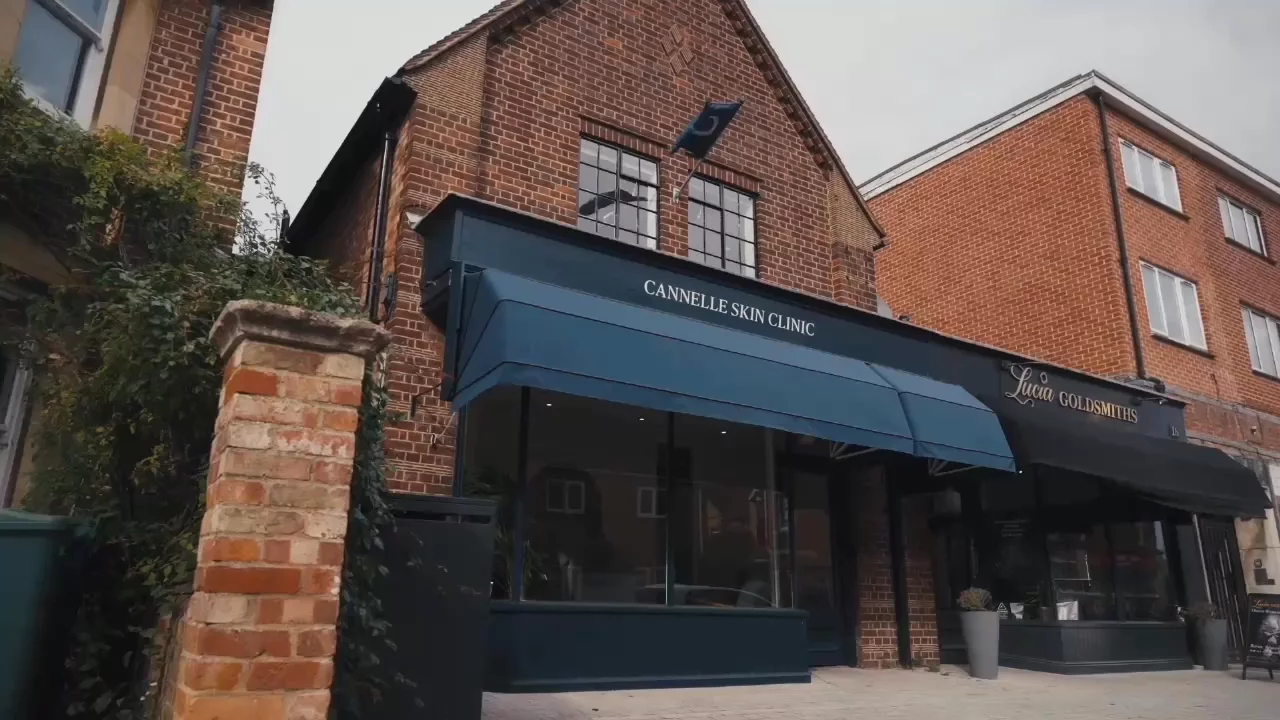
Our clinic is located in Summertown, Oxford, just north of the city centre in one of Oxford’s most sought-after neighbourhoods. Discreet and easy to reach, we offer a premium setting for bespoke skin, aesthetic and wellness care.
We welcome patients from across Oxford city and Oxfordshire, including Summertown, Headington, Kidlington, Abingdon, Bicester, Witney and the surrounding towns and villages. Whether you’re coming for routine skin-health treatments or specialist aesthetic consultations, our location is well connected and simple to access.
Our clinic, Cannelle Skin Clinic, is just minutes from Oxford city centre and easily reached by car, bus or rail. Oxford’s mainline stations Oxford Station and Oxford Parkway are a short taxi or bus ride away, and regular services link to London, Reading, Didcot, Banbury and beyond.
By car, we’re conveniently accessed via key local routes with nearby parking options; by public transport, frequent bus routes along Banbury Road drop you within a short stroll of the clinic.
Whether you’re travelling from within Oxfordshire, further afield in the UK or internationally, our clinic offers a calm, personalised and professional environment for your visit.