Flat and lacklustre
Tired skin in the morning mirror
Skin that looks fine by mid afternoon but grey and flat first thing. Usually circulation and surface build up rather than anything structural, and it is the quickest kind to improve.

Dull and dehydrated skin treatment at Cannelle Skin Clinic in Oxford separates the four causes of a flat complexion before treating any of them. HydraFacial, Profhilo, polynucleotides and PicoSure address surface, hydration, quality and tone respectively.
Dull is the word people reach for when the mirror looks flat and they cannot say why. Four quite different things produce that same look, and the one you have decides whether the answer is a facial, a serum, an injectable, or simply doing less.
The most common is dehydration, which is not the same as dryness. Dry skin lacks oil and is a skin type you were born with. Dehydrated skin lacks water and is a condition anyone can develop, including oily skin, usually from over cleansing, central heating, alcohol or too many actives at once. Dehydrated skin reflects light poorly, so it reads as flat and tired.
The second is a build up of dead surface cells. Cell turnover slows from the late twenties onward, so the outermost layer becomes thicker and less organised. A rough, uneven surface scatters light instead of reflecting it evenly, which is exactly what dullness looks like.
The third is loss of skin quality proper: thinner skin, less collagen, less hyaluronic acid, so the skin has less internal bounce and light no longer sits on it well. The fourth is tone. Accumulated pigment and a sallow, yellowish cast, often driven by sun exposure, smoking, poor sleep or simply the way skin ages, muddies the colour underneath everything else.
Most people have at least two of the four, which is why a single facial rarely fixes it and why the plan usually pairs something that resurfaces with something that rehydrates.

These four look similar in the mirror and need genuinely different things. Most people recognise themselves in two.
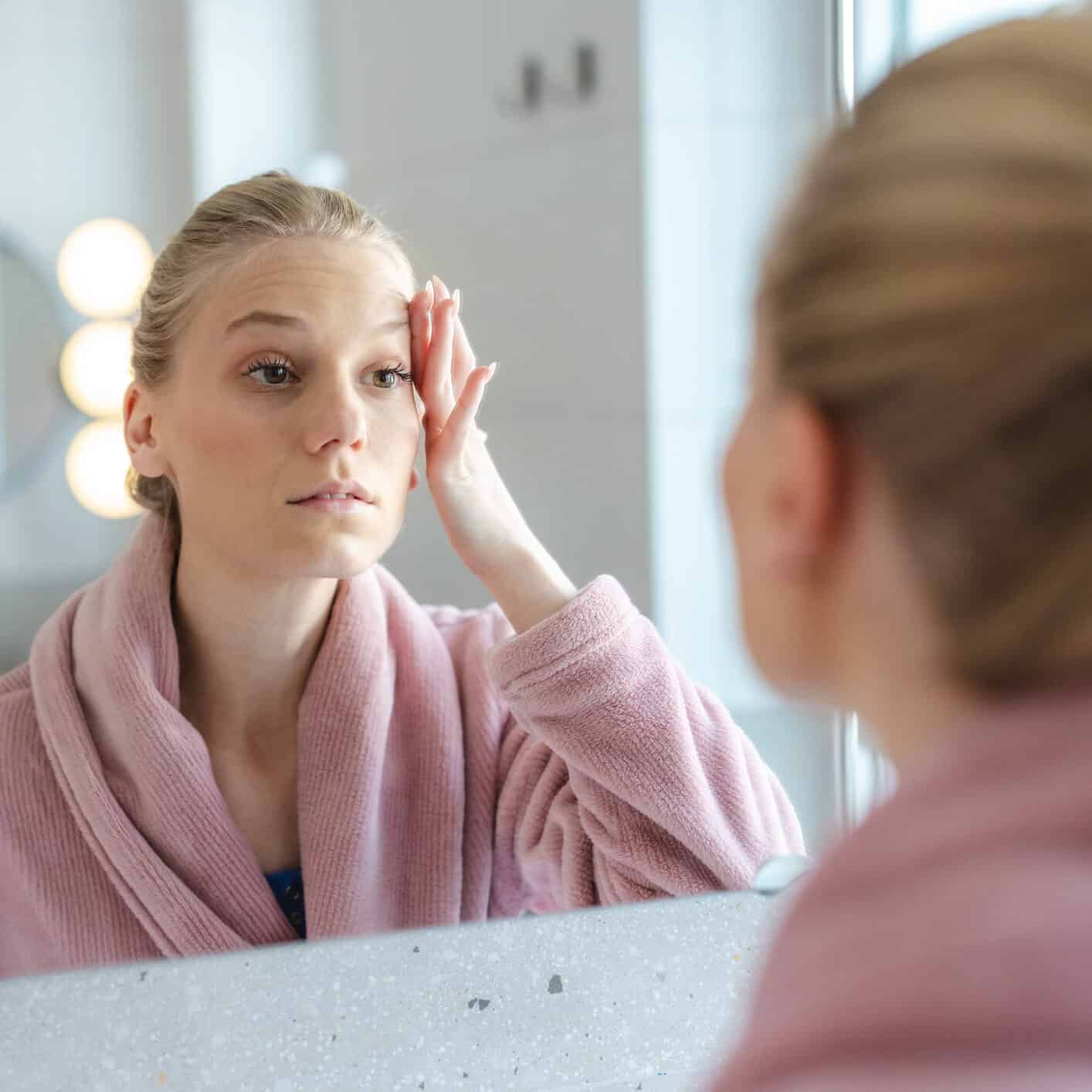
Flat and lacklustre
Skin that looks fine by mid afternoon but grey and flat first thing. Usually circulation and surface build up rather than anything structural, and it is the quickest kind to improve.

Water, not oil
Tight after cleansing, fine lines that look worse when you are tired, makeup that clings and flakes. This is a water problem rather than an oil problem, and it responds fast once the barrier is repaired.
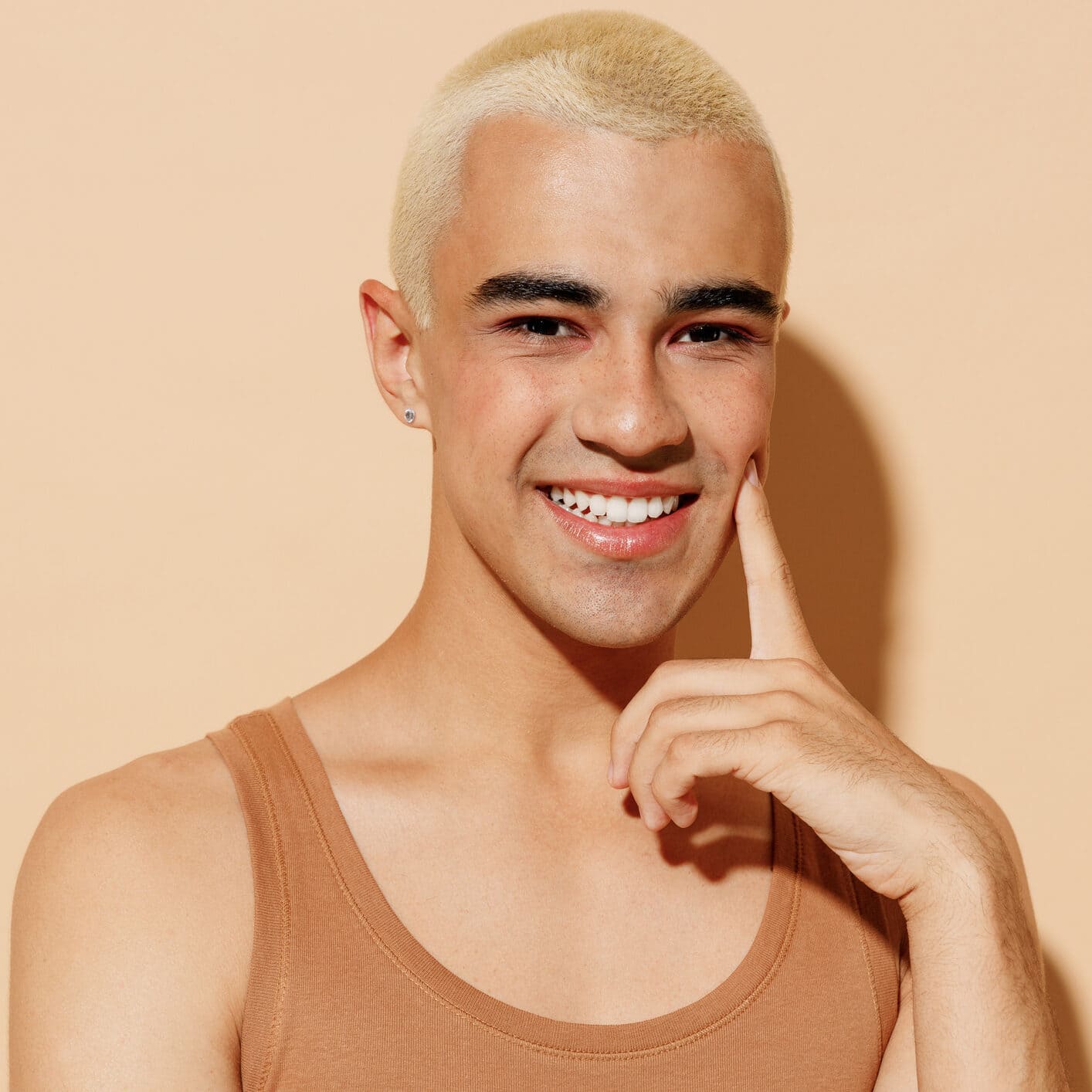
Colour underneath
No single mark, but the overall tone looks patchy and muddy. Accumulated ultraviolet damage sitting under the surface. This needs pigment work rather than hydration, which is where most people go wrong.
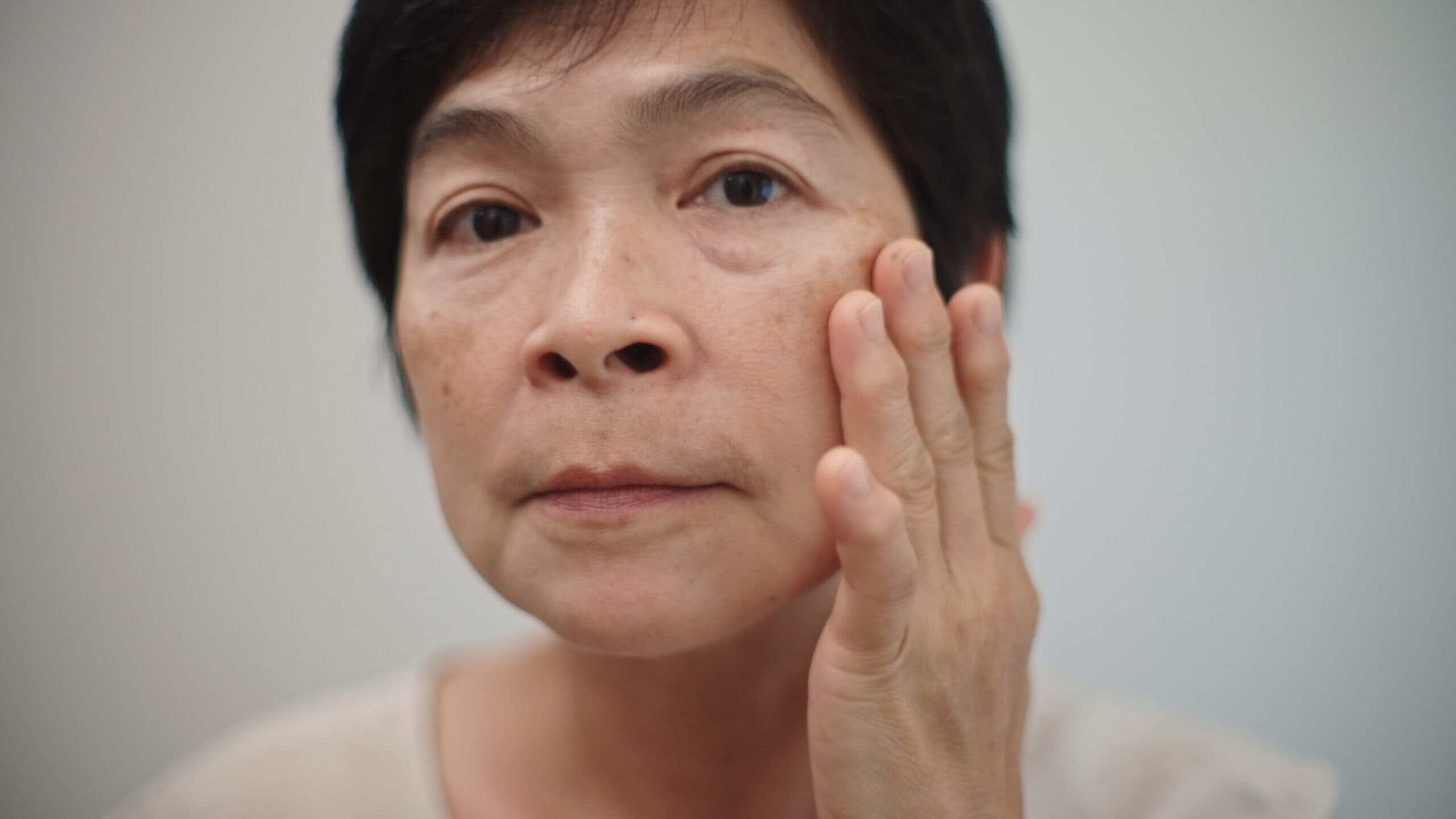
Quality, not moisture
Skin that has lost its own luminosity: thinner, flatter, less bouncy. This is genuine loss of skin quality with age, and it responds to regenerative treatment rather than to anything topical.
One of these resurfaces, two rebuild from within and one works on tone. Most plans use two, usually a facial for the surface and an injectable for the quality underneath.
| Compare | HydraFacialFor surface and glow | ProfhiloFor hydration and bounce | PolynucleotidesFor skin quality | PicoSure laserFor tone and clarity |
|---|---|---|---|---|
 |  |  |  | |
| Best for | HydraFacial Surface build up, congestion and immediate glow | Profhilo Dehydrated, crepey skin lacking bounce | Polynucleotides Thin, sallow skin that has lost quality | PicoSure laser Muddy, uneven tone from sun exposure |
| Typical course | HydraFacial Monthly, or before an event | Profhilo Two sessions, four weeks apart | Polynucleotides Two to three sessions, fortnightly | PicoSure laser Three sessions, monthly |
| Downtime | HydraFacial None at all | Profhilo Small bumps settling within hours | Polynucleotides Small bumps settling within hours | PicoSure laser Mild redness for a day |
| Performed by | HydraFacial Our aesthetic therapists | Profhilo Dr Mattia Parducci | Polynucleotides Dr Mattia Parducci | PicoSure laser Our trained laser team |
| Price from | HydraFacial £140 | Profhilo £350 | Polynucleotides £350 | PicoSure laser Priced at consultation |
| See HydraFacial | See Profhilo | See polynucleotides | See PicoSure |
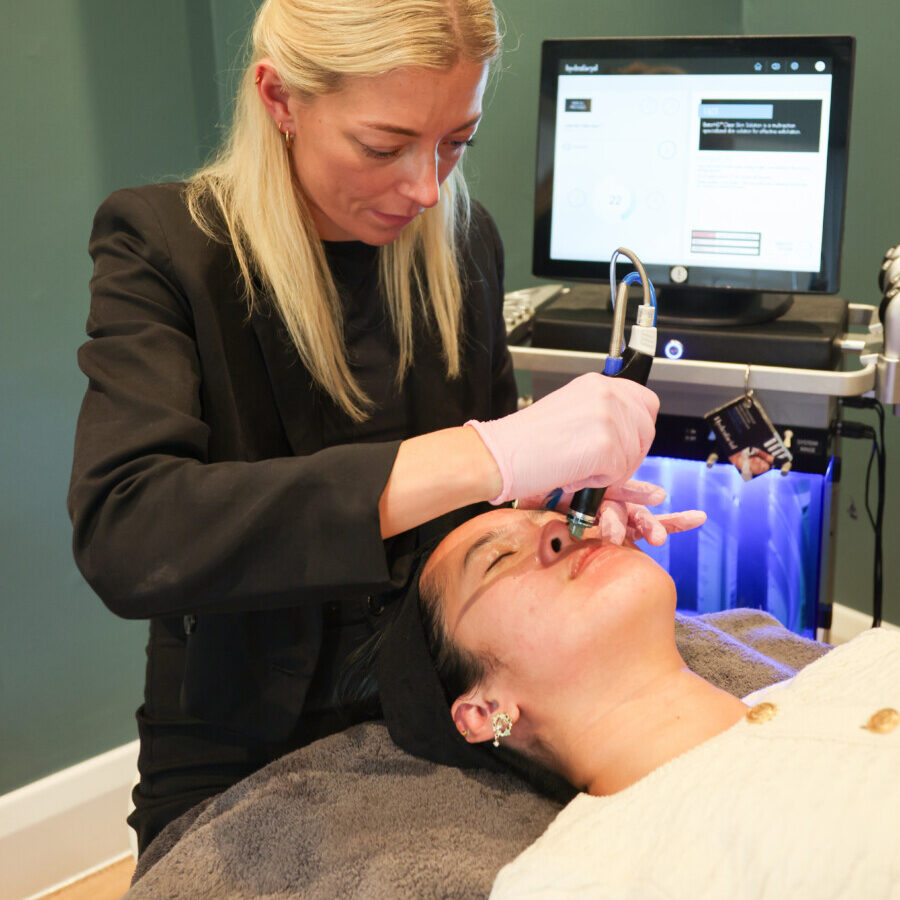
HydraFacial is what people book when they want to look better by the weekend rather than by the season.
Two of these are therapist led and two are performed by Dr Mattia Parducci. Exosomes and mesotherapy are close relatives where skin quality is the main issue.
Therapist led facial
Cleansing, gentle exfoliation, extraction and hydration in one pass. It removes the surface build up that scatters light, which is why the glow is immediate. No downtime at all, which is why it is the standard before an event.
Bio remodelling, doctor led
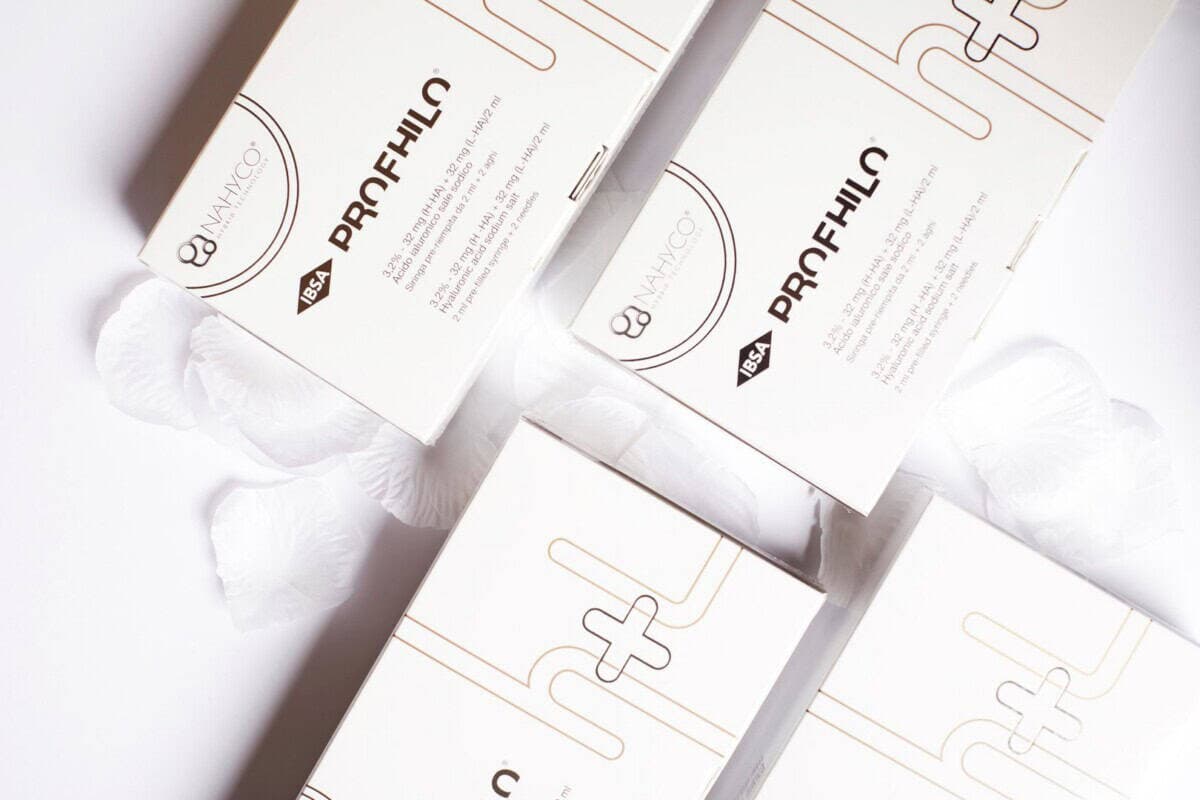
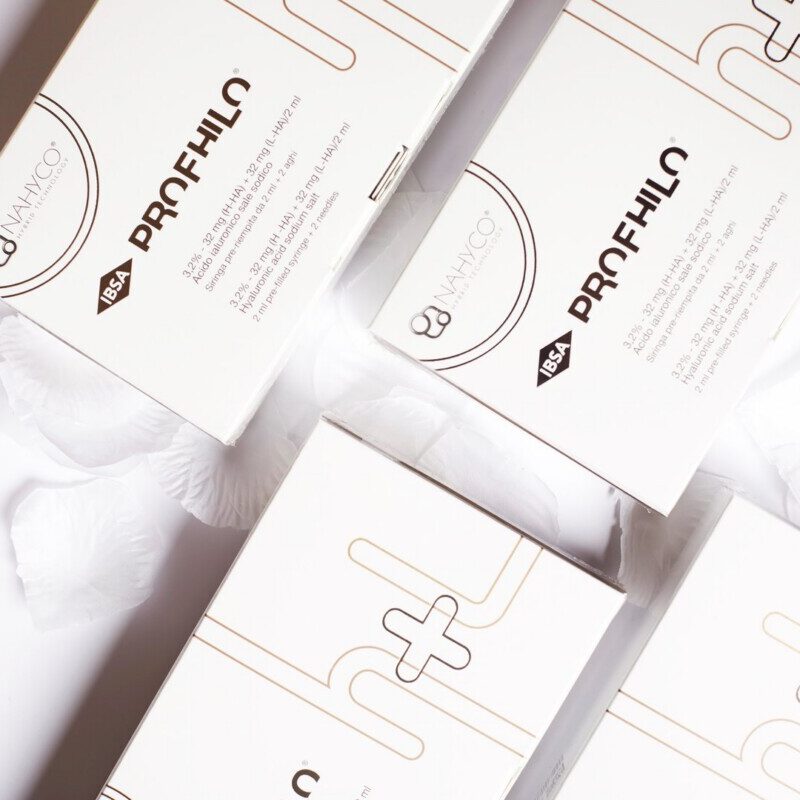
Slow release hyaluronic acid spread through the skin rather than placed in one spot. It hydrates from within and improves bounce over two sessions. This is the one for skin that looks tired however much cream you use.
Regenerative, doctor led
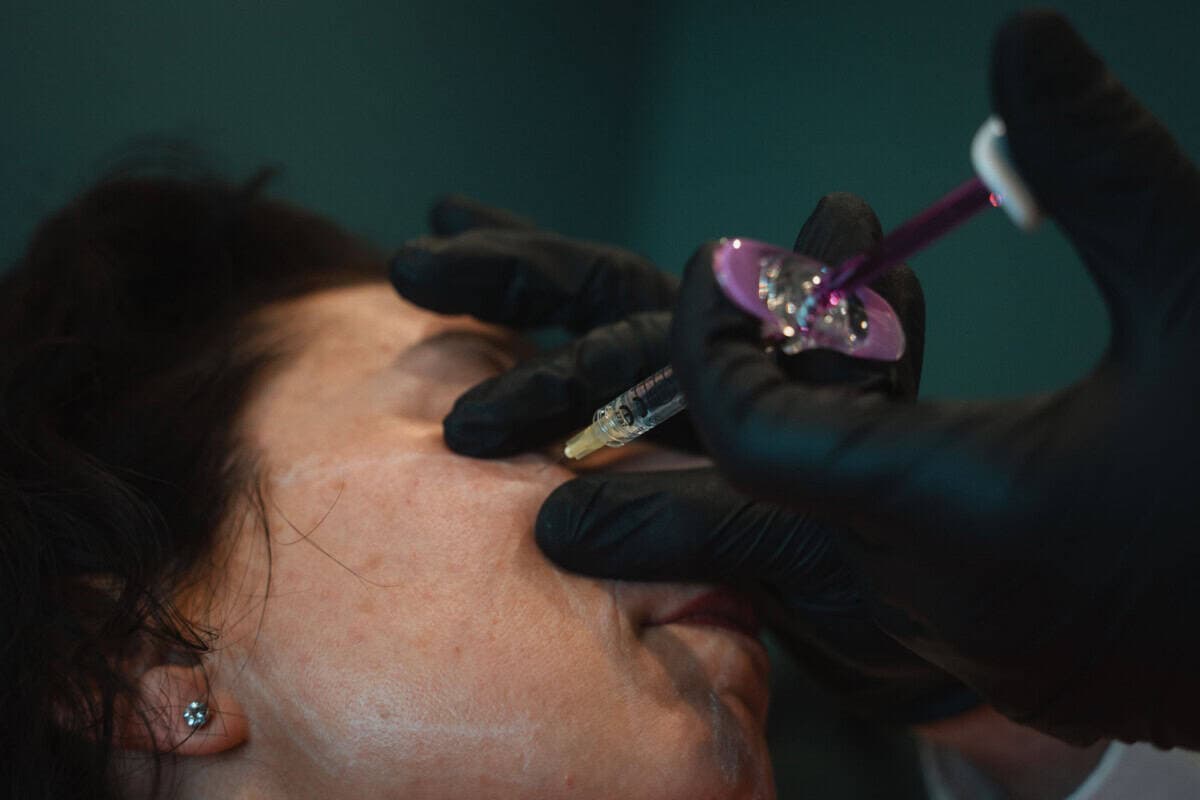
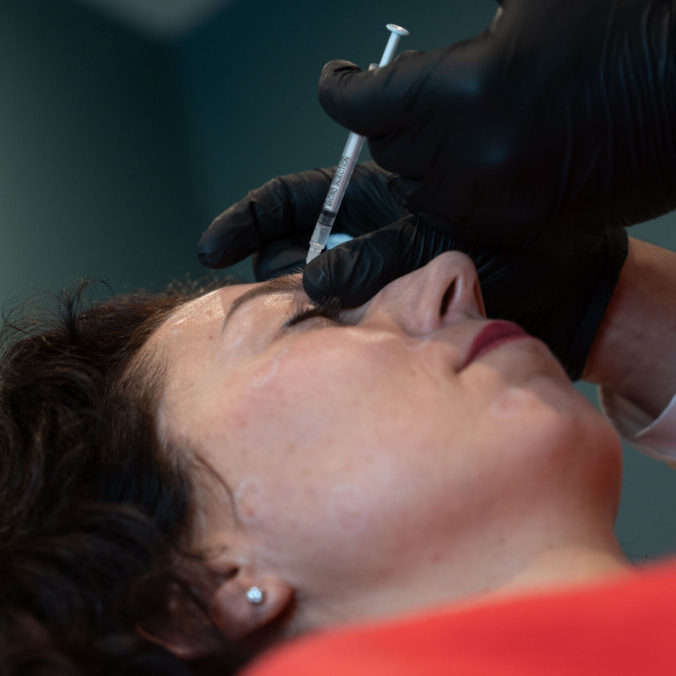
Purified DNA fragments that ask the skin to repair itself rather than filling or hydrating it. Over a short course the skin thickens slightly and regains its own luminosity. Best where the issue is quality rather than water.
Picosecond laser
Where dullness is really accumulated pigment, no amount of hydration will fix it. Short laser pulses break up the muddiness sitting under the surface and trigger a collagen response at the same time.
The assessment separates the four causes, because treating dehydration when the problem is pigment, or vice versa, is the usual reason people feel a facial did not last.
We look at how the skin reflects light, how it feels when pinched, whether fine lines disappear when the skin is hydrated, and whether there is a colour cast underneath. Dr Mattia Parducci is involved where the answer is an injectable, and our therapists lead where it is a facial or a skincare change. We will also ask about your routine, because a surprising amount of dullness is caused by doing too much rather than too little.
Where skin is dehydrated from over exfoliation, the fastest improvement usually comes from stopping several things before we add anything.
Come without makeup if you can. Bring a list of everything you currently use, including actives and how often. Avoid strong exfoliation for a few days beforehand, particularly if a peel or facial is planned.
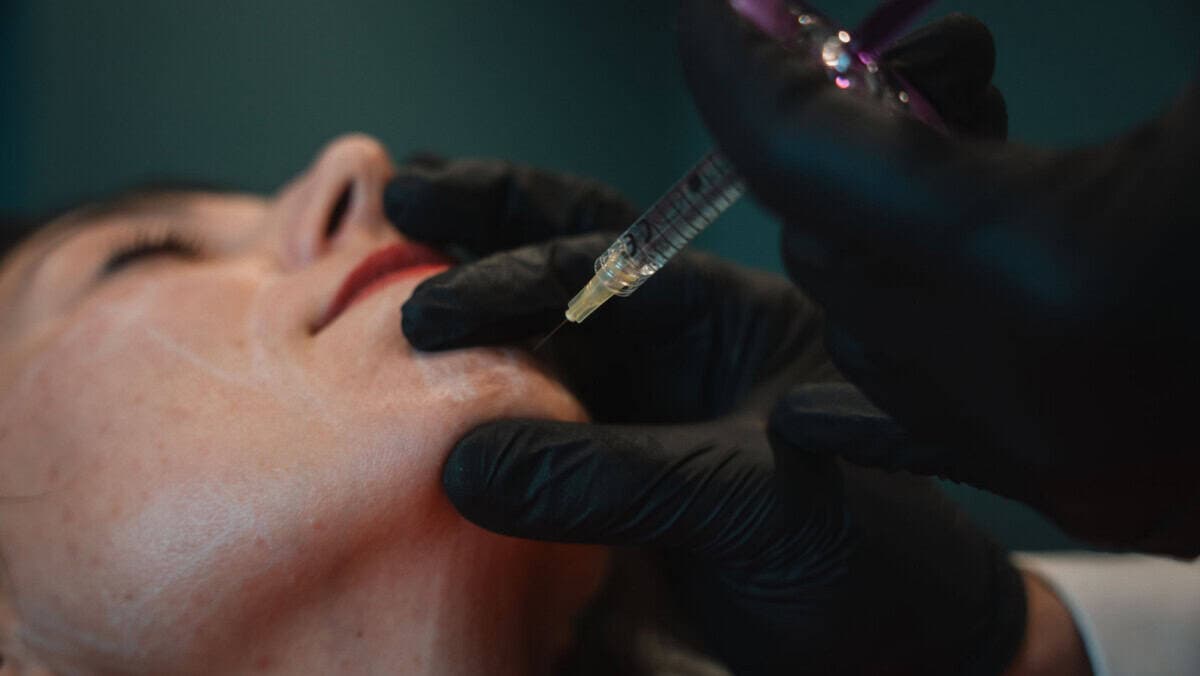
HydraFacial takes about forty five minutes and is genuinely relaxing. Profhilo and polynucleotides are a small number of injections at set points, taking around fifteen minutes with numbing cream.
HydraFacial has no downtime and you can wear makeup the same day. Injectables leave small bumps that settle within a few hours. Profhilo needs a second session at four weeks before you judge it.
Dullness is the concern where home care changes the most, and where people most often make it worse by trying harder.
The most common mistake is over cleansing and over exfoliating. Stripping the barrier produces exactly the flat, tight, dehydrated look people are trying to fix. A gentle cleanser, a hyaluronic acid serum applied to damp skin, and a proper moisturiser to seal it does more than another acid. A retinoid used consistently improves turnover over months. Daily sunscreen prevents the pigment build up that muddies tone. Beyond skincare, sleep, water, and not smoking genuinely show on the face.
Where home care runs out is with skin quality itself. Creams sit on the surface, so they cannot replace lost hyaluronic acid deeper in the skin or rebuild thinned collagen. They also cannot shift established pigment. If your skin is well cared for and still looks flat, that is usually the point at which an injectable or a laser does more than a tenth product would.
If your main concern is tone rather than texture, our pigmentation page fits better. For roughness and pores, see textured skin.

Dry skin lacks oil and is a skin type. Dehydrated skin lacks water and is a temporary condition that even oily skin can have. They need different things, which is why the distinction matters more than it sounds.
HydraFacial starts at £140, Profhilo at £350 with a course of two at £650, and polynucleotides at £350. PicoSure is priced at consultation.
HydraFacial, easily. The glow is visible the same day because it removes surface build up. The trade off is that it is the shortest lived, which is why it suits events and monthly maintenance.
It needs two sessions four weeks apart, with the result building over the following month. Judging it after one session is the most common mistake people make with it.
Quite possibly. Tightness after cleansing, stinging with products that used to be fine, and skin that looks flat despite a long routine are the usual signs. Stopping actives for two weeks is often the most useful thing you can do.
Yes, and it is one of the few treatments genuinely suited to it. There is no downtime. Two or three days beforehand is ideal rather than the morning of.
They overlap. Profhilo spreads to hydrate and firm broadly. Polynucleotides work more on repair and skin quality. Where skin is both dehydrated and thinning, the two are often used in sequence.
It helps but it is not the answer on its own. Skin hydration depends far more on barrier function and on what you apply than on total fluid intake. Fixing the barrier matters more than the litres.
Partly, but a good deal of it is reversible. Surface build up, dehydration and pigment all respond well at any age. Only the loss of skin quality is genuinely age related, and even that improves with regenerative treatment.
Yes, with adjustment. HydraFacial is one of the gentlest facials available and serums can be chosen for sensitivity. We would calm actively irritated skin before treating it rather than working through it.
Monthly suits most people, matching the skin’s turnover cycle. More often than that rarely adds anything, and can tip skin into irritation.
For a facial, no, you can book directly. For injectables, yes, because Dr Mattia needs to establish whether the issue is water, quality or pigment before choosing.
Verified Google reviews of the clinic.
Fantastic. Very welcoming, explained the process and kept me updated throughout. I can already see an improvement in my skin texture and tone. Would highly recommend and cannot wait to return.
Natalia did an amazing job, she took the time to ask me my skin concerns and to adapt the facial to my needs. She recommended steps to add to my skincare routine and a couple products that would help. I had a great time!
I go to Cannelle for facials, manicures and pedicures. The team is professional, skilled and attentive. It is a lovely, relaxing environment and my skin has never looked better.
From the journal
Our clinic is located in Summertown, Oxford, just north of the city centre in one of Oxford’s most sought-after neighbourhoods. Discreet and easy to reach, we offer a premium setting for bespoke skin, aesthetic and wellness care.
We welcome patients from across Oxford city and Oxfordshire, including Summertown, Headington, Kidlington, Abingdon, Bicester, Witney and the surrounding towns and villages. Whether you’re coming for routine skin-health treatments or specialist aesthetic consultations, our location is well connected and simple to access.
Our clinic, Cannelle Skin Clinic, is just minutes from Oxford city centre and easily reached by car, bus or rail. Oxford’s mainline stations Oxford Station and Oxford Parkway are a short taxi or bus ride away, and regular services link to London, Reading, Didcot, Banbury and beyond.
By car, we’re conveniently accessed via key local routes with nearby parking options; by public transport, frequent bus routes along Banbury Road drop you within a short stroll of the clinic.
Whether you’re travelling from within Oxfordshire, further afield in the UK or internationally, our clinic offers a calm, personalised and professional environment for your visit.