Bladder Weakness Treatment

Bladder weakness treatment at Cannelle Skin Clinic in Oxford uses BTL EMSella to strengthen the pelvic floor while you sit fully clothed. Twenty eight minutes produces around eleven thousand contractions, with no undressing, nothing invasive and no downtime.

Pelvic floor health

Treats
Stress and urge incontinence, weak pelvic floor
Approach
BTL EMSella, fully clothed, seated
Suitable for
Women and men, including after childbirth and around menopause
Downtime
None at all
First step
A confidential consultation at the clinic

Common, rarely mentioned, and very treatable

One in three women will experience this and almost none of them will say so out loud. People stop running, plan journeys around toilets and quietly accept it as the price of having had children. It is genuinely common. It is also among the most fixable things we treat.

Most of it comes down to the pelvic floor: a sling of muscle running from the pubic bone to the base of the spine that supports the bladder, bowel and uterus and helps close the urethra. Pregnancy and childbirth stretch it. The drop in oestrogen at menopause thins and weakens the surrounding tissue. Prostate surgery affects it in men. Age, heavy lifting, chronic coughing and high impact sport all contribute. When that support weakens, pressure from above is no longer resisted properly.

There are two main patterns, and they feel quite different. Stress incontinence is leaking when pressure rises: coughing, sneezing, laughing, lifting or jumping. Urge incontinence is a sudden overwhelming need to go, sometimes with leaking before you arrive. Many people have both, which is called mixed incontinence.

The NHS guidance on urinary incontinence is a sensible place to start, and we would always encourage you to speak to your GP as well. What we offer is a non invasive treatment that strengthens the pelvic floor without you having to undress or do anything at all.

Which pattern sounds like yours?

These feel quite different from the inside, and the distinction matters because it changes what to expect. Many people have more than one.

What treatment involves at the clinic

There is one treatment here rather than a menu. What varies is whether you take a single session or the full course, and the course is what produces the result.

CompareSingle sessionTrying itCourse of sixThe full protocol
Single sessionCourse of six
Best forSingle session
Seeing what it is like before committing
Course of six
Genuine improvement in bladder control
What happensSingle session
Twenty eight minutes seated, fully clothed, while the chair contracts your pelvic floor for you
Course of six
The same session twice a week over three weeks
Equivalent toSingle session
Around 11,000 pelvic floor contractions
Course of six
Around 66,000 contractions across the course
DowntimeSingle session
None. Drive yourself home
Course of six
None at any point
Price fromSingle session
£180
Course of six
£920
See EMSellaSee EMSella
Single sessionTrying it
Single session
Best for
Seeing what it is like before committing
What happens
Twenty eight minutes seated, fully clothed, while the chair contracts your pelvic floor for you
Equivalent to
Around 11,000 pelvic floor contractions
Downtime
None. Drive yourself home
Price from
£180
See EMSella
Course of sixThe full protocol
Course of six
Best for
Genuine improvement in bladder control
What happens
The same session twice a week over three weeks
Equivalent to
Around 66,000 contractions across the course
Downtime
None at any point
Price from
£920
See EMSella

What an EMSella session looks like

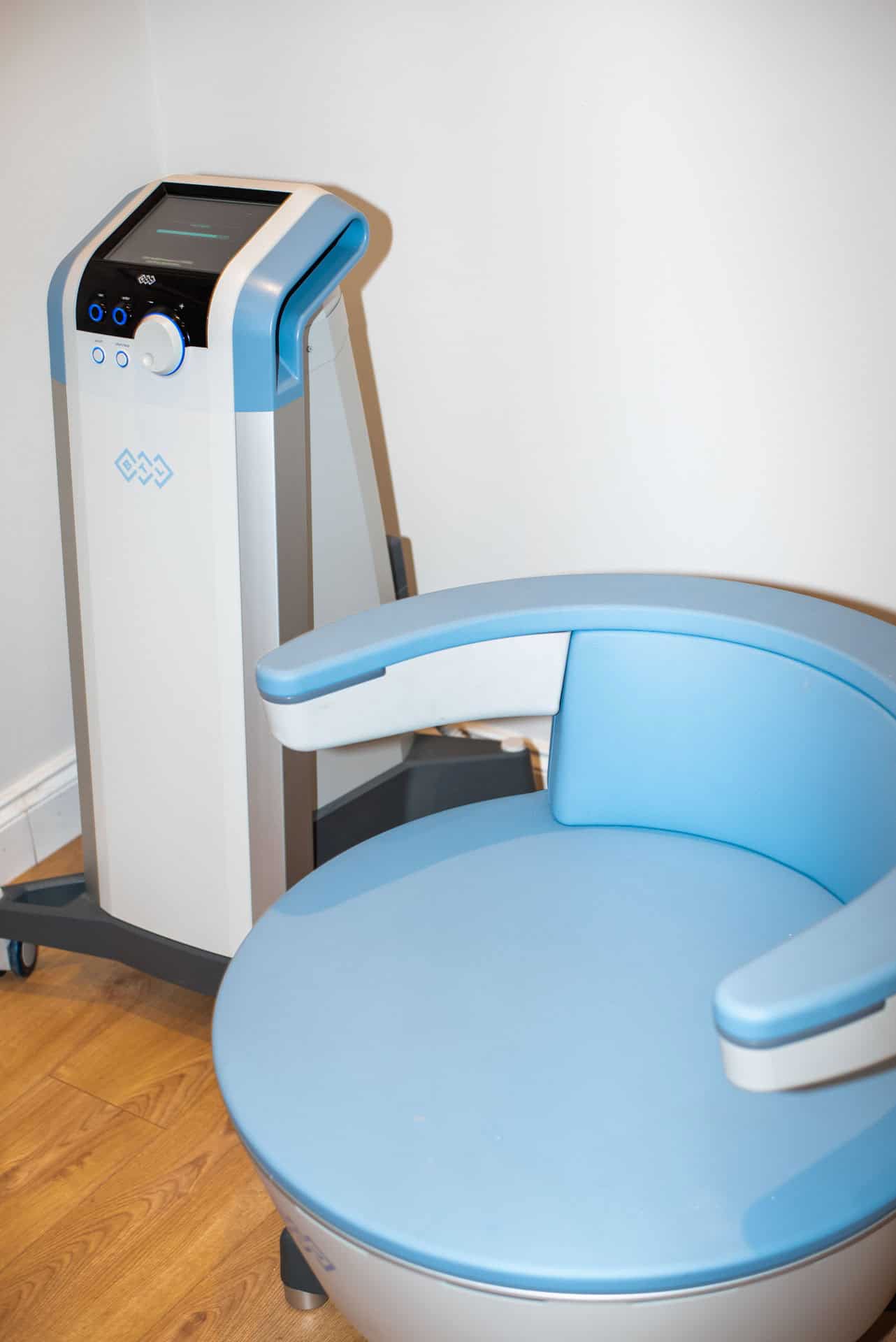
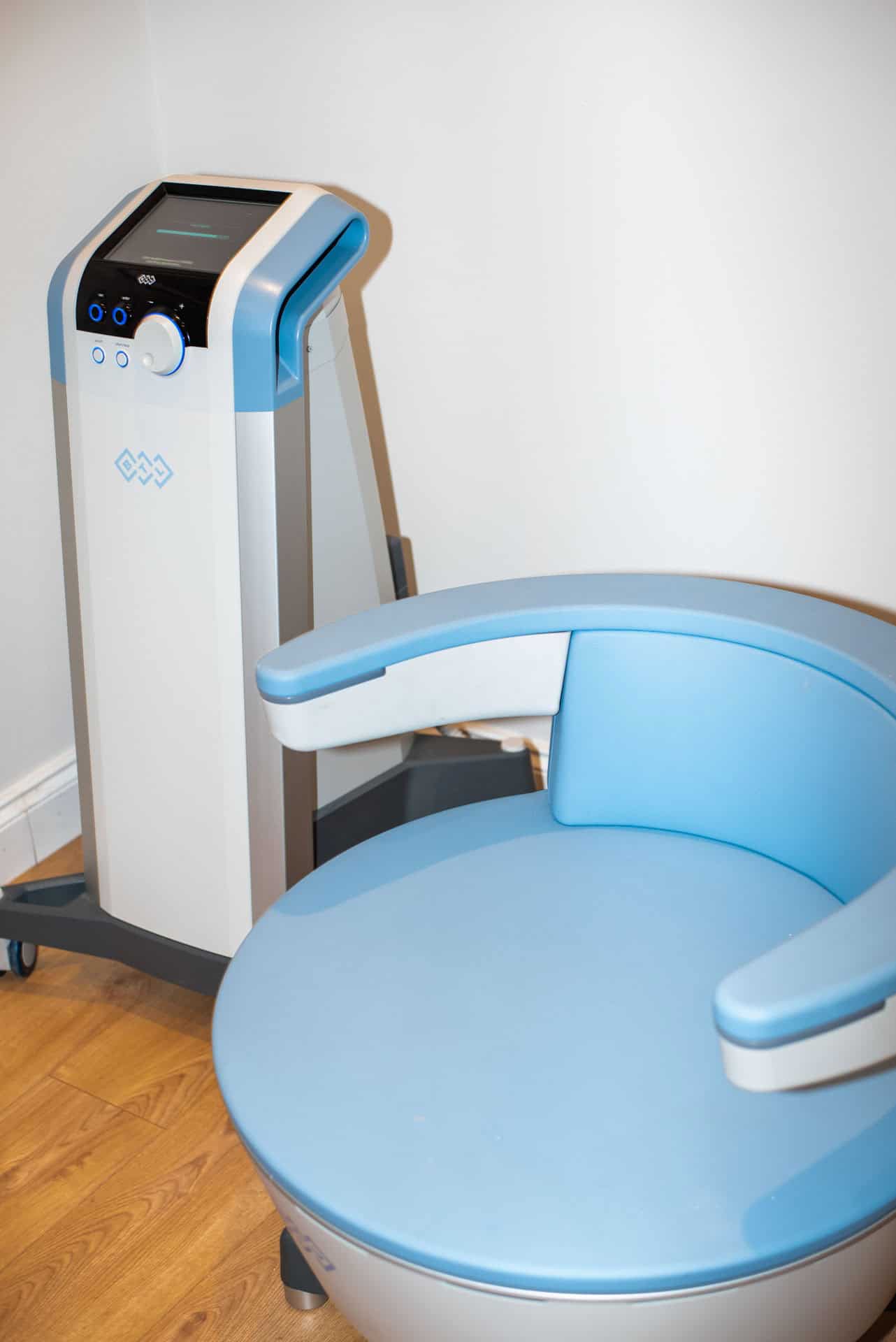
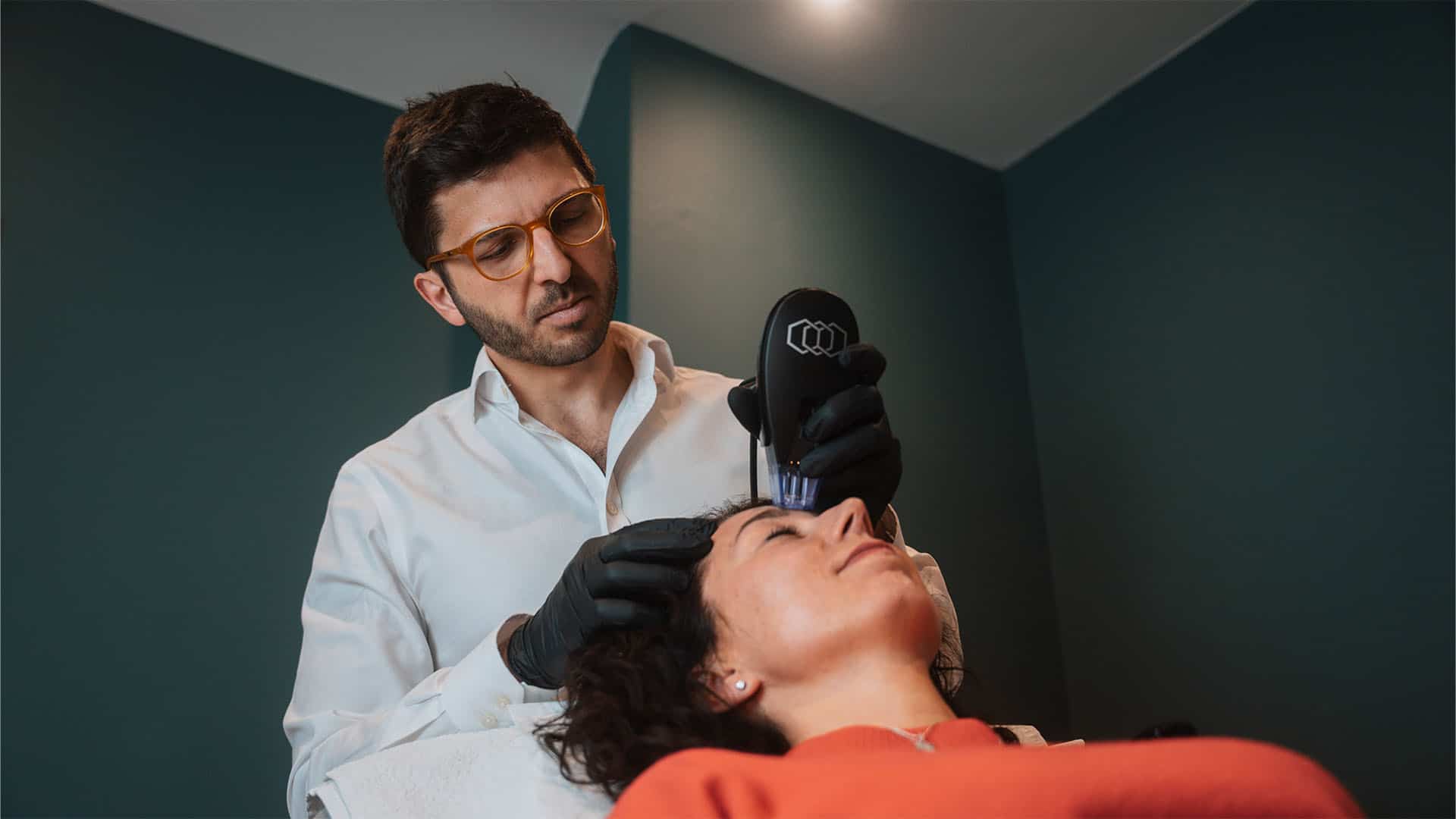
You stay fully clothed and seated throughout, which is the part most people are relieved to see.

How EMSella works at our clinic

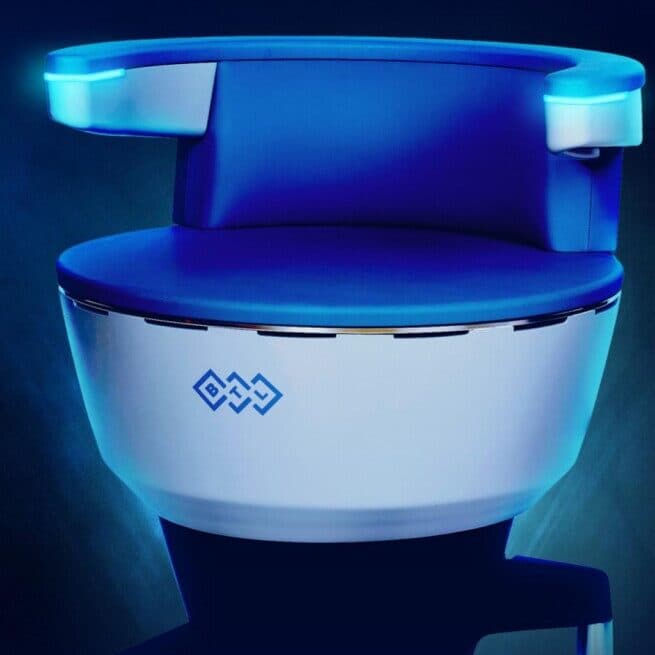
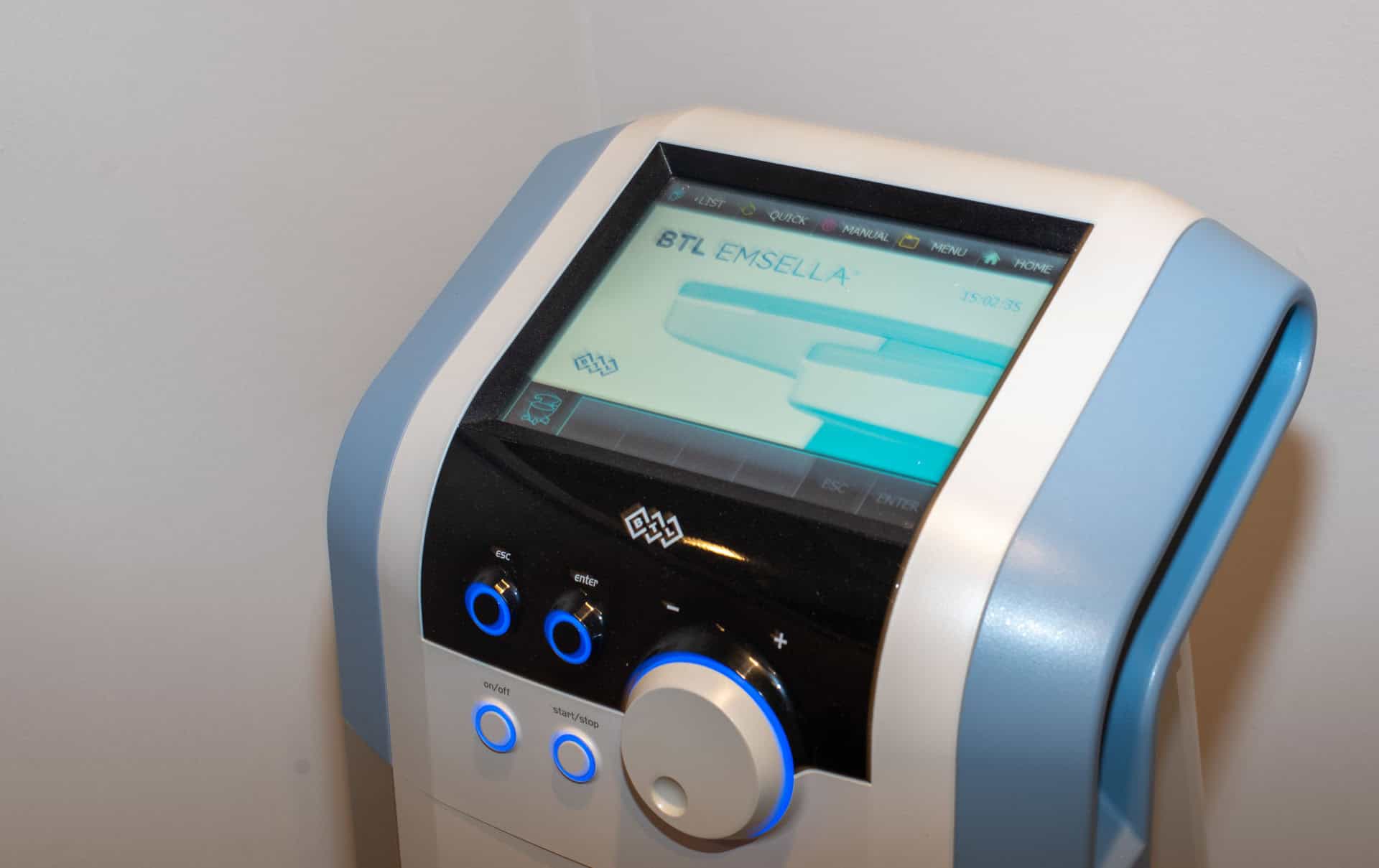
BTL EMSella is a chair. You sit on it fully clothed and it does the work that pelvic floor exercises are supposed to do, at an intensity and consistency no one could manage alone.

How we assess bladder weakness

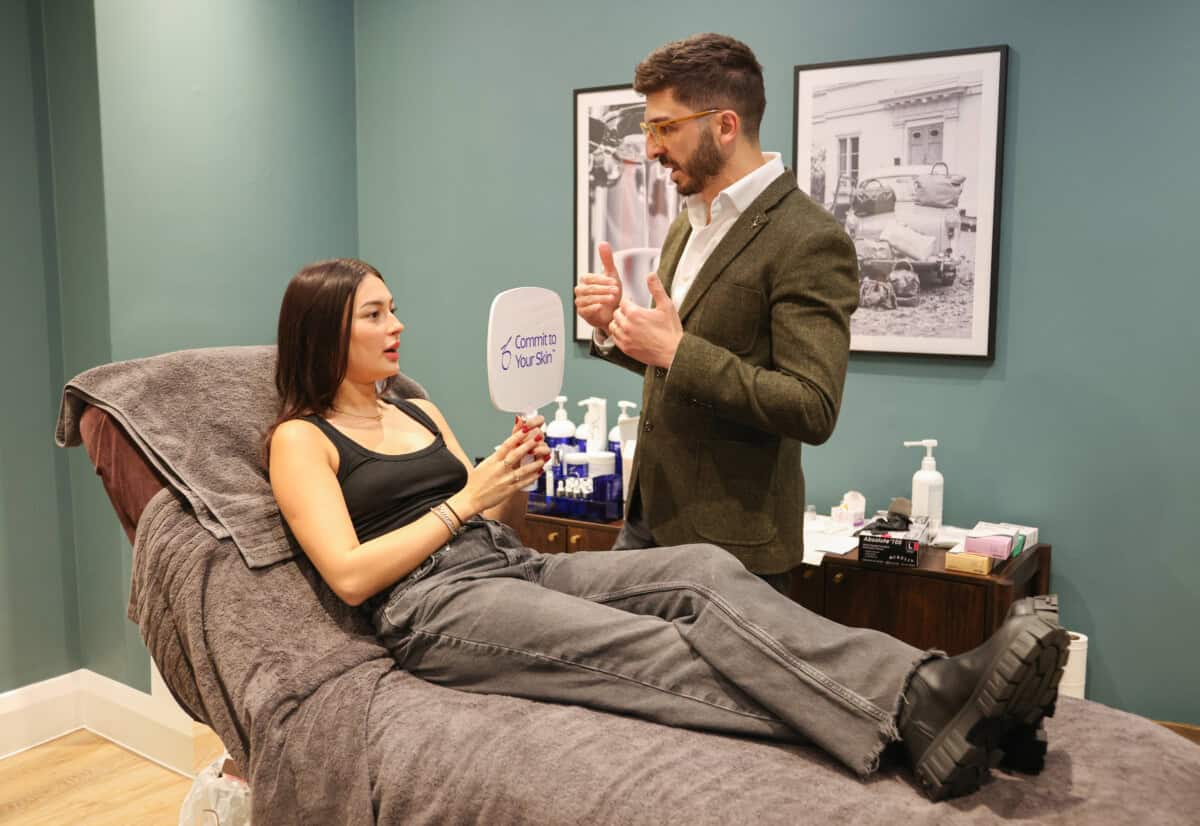
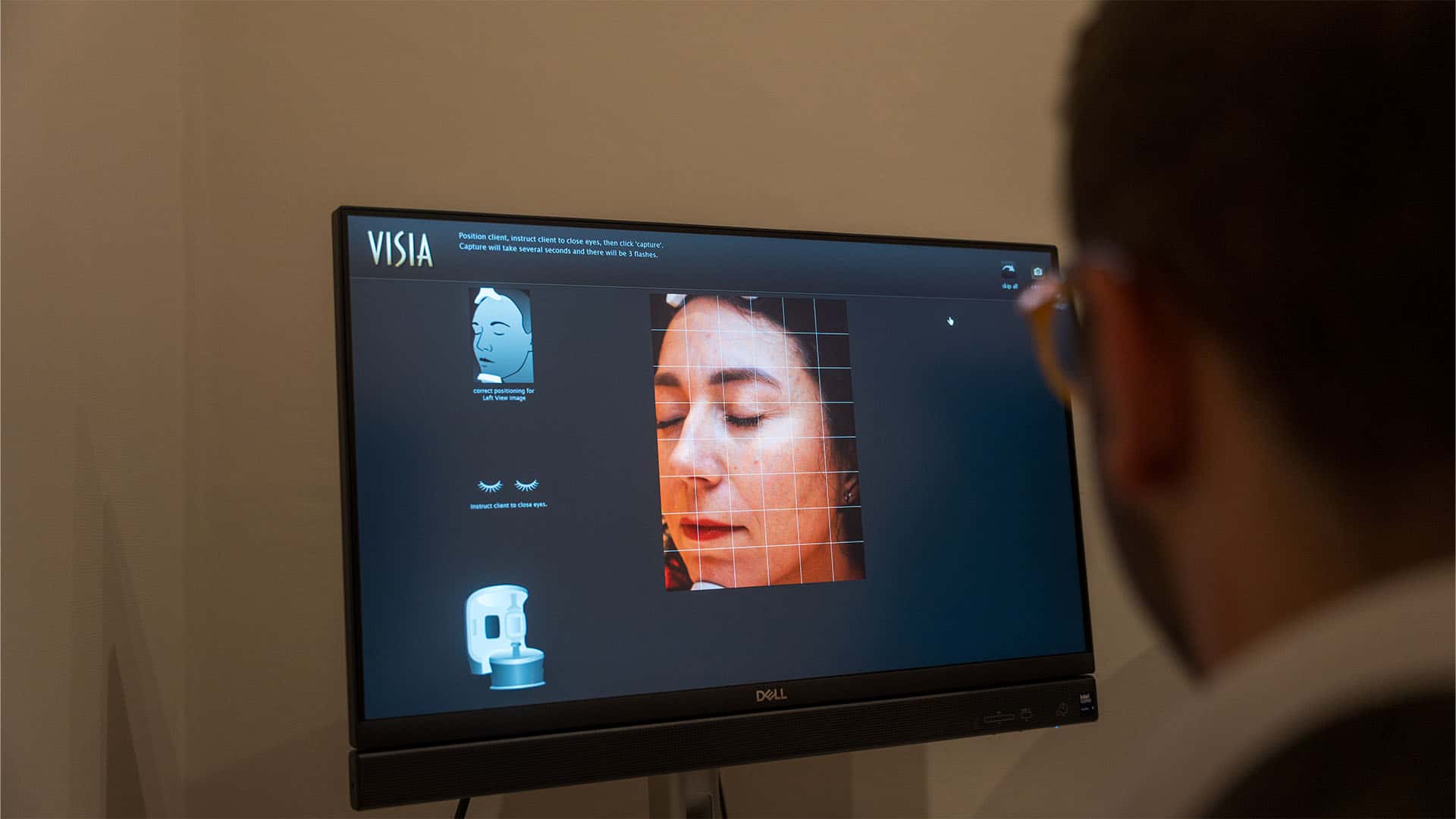
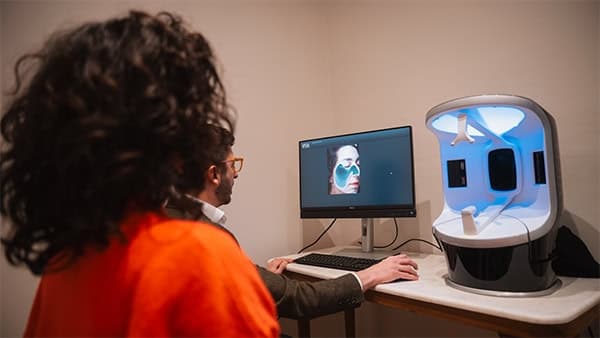
The assessment is a conversation rather than an examination, and nothing about it requires you to undress.

We ask when it happens, how much warning you get, how long it has been going on, whether you have had children and where you are relative to the menopause. Those answers separate stress from urge incontinence and tell us how likely treatment is to help. We will ask what you have already tried, because plenty of people have been doing pelvic floor exercises incorrectly for years and a correction alone sometimes helps.

We will also tell you when to see your GP first. Blood in your urine, pain, recurrent infections, a sudden change, or symptoms alongside a prolapse all need medical assessment before anything else. EMSella is not appropriate if you are pregnant, have a pacemaker or metal implants in the pelvic area, or have a coil fitted, and that is checked before you book.

Before your appointment

Come in comfortable clothing with no metal in the pocket area, and empty your bladder beforehand. Tell us about any implanted device, a coil, pregnancy or recent surgery. You will not need to undress at any point.

During the session

You sit on the chair fully clothed for twenty eight minutes. The sensation is unusual rather than unpleasant, a tingling and a strong contracting feeling that builds as we adjust the intensity. Most people read or use their phone.

Afterwards

Nothing at all. Drive yourself home and carry on with your day. Some people feel mild muscle fatigue in the pelvic area, similar to after exercise. Most notice a change partway through the course, with the full benefit a few weeks after it ends.

Getting your pelvic floor exercises right

Pelvic floor exercises genuinely work, and they are the first thing anyone should try. The problem is that most people do them wrongly or give up too soon.

Done properly, that means squeezing as though stopping the flow of urine and lifting inward, holding for a count of five, releasing fully, and repeating ten times, three times a day, for at least three months before judging it. Not squeezing your buttocks or holding your breath. The NHS Squeezy app is genuinely useful for remembering. Alongside that, reducing caffeine and alcohol helps urge symptoms considerably, staying well hydrated matters more than people think, since concentrated urine irritates the bladder, and treating constipation removes a constant downward pressure.

Where this stops is when the exercises are being done correctly and consistently and symptoms remain, which is very common after childbirth or where tissue has thinned with menopause. It is difficult to contract a muscle you can barely feel, and that is precisely the gap EMSella fills: it contracts it for you, thousands of times, at an intensity you could not produce voluntarily.

Please see your GP rather than us if there is blood in your urine, pain, recurrent infections or a sudden change in your symptoms.

Bladder weakness questions, answered

How much does EMSella cost in Oxford?

A single session is £180 and a course of six is £920. The course is what produces a meaningful result; a single session is really for seeing what the treatment is like.

Do I have to undress?

No. You stay fully clothed throughout and simply sit on the chair. This is the question we are asked most, and the answer is the reason many people choose it over the alternatives.

What does it feel like?

Unusual rather than uncomfortable. A tingling sensation with strong contractions in the pelvic floor, building as the intensity is increased. Most people read or use their phone throughout.

How many sessions will I need?

Six, taken as two a week over three weeks. Most people notice a difference partway through, with the full effect a few weeks after finishing. A top up once or twice a year maintains it.

Does it actually work?

For stress incontinence caused by a weakened pelvic floor, it works well for most people. Urge incontinence often improves too but can involve the bladder muscle as well, which may need your GP. We will tell you which pattern you have.

Is it suitable after childbirth?

Yes, and it is one of the most common reasons people come. We would wait until at least three months after delivery, and longer after a caesarean or any complication. Not during pregnancy.

Can men have it?

Yes. Men experience incontinence too, particularly after prostate surgery, and the treatment is identical. It is considerably less discussed, which is precisely why it goes untreated.

Who cannot have this treatment?

It is not suitable during pregnancy, or if you have a pacemaker, defibrillator, metal implants in the pelvic area or a copper coil. We check all of that before you book rather than on the day.

Will I still need to do my exercises?

Yes, and they work better afterwards because you can feel the muscle properly. Think of the course as getting the muscle back to a point where your own exercises become effective.

How long does the benefit last?

Typically around a year, sometimes longer with regular exercises. A single top up session once or twice a year maintains it for most people rather than repeating the whole course.

Should I see my GP first?

Please do if you have blood in your urine, pain, recurrent urine infections, a prolapse, or symptoms that came on suddenly. Those need a medical assessment before any treatment here.

Is the consultation private?

Entirely. It is a conversation in a private room and nothing about it requires an examination. Many people have never discussed this with anyone, and there is no rush and no judgement.

4.8 ★★★★★

In our clients’ words

Verified Google reviews of our Summertown clinic.

I visited Cannelle for a consultation with Dr Mattia about excessive sweating. He was incredibly thorough, took his time to understand exactly what I was looking for and explained everything clearly. The clinic is spotlessly clean and the whole team made me feel at ease. Really impressed and will definitely be returning.

Sarah Kimberley
Sarah Kimberley01/01/1970
View on Google

I go to Cannelle for facials, manicures and pedicures. The team is professional, skilled and attentive. It is a lovely, relaxing environment and my skin has never looked better.

Mary Anne Davies
Mary Anne Davies01/01/1970
View on Google

The welcome is as warm as the salon. First class treatments by very professional and experienced therapists. Consistently high standards all round.

Clare Davis
Clare Davis01/01/1970
View on Google

How can you find us?

Our clinic is located in Summertown, Oxford, just north of the city centre in one of Oxford’s most sought-after neighbourhoods. Discreet and easy to reach, we offer a premium setting for bespoke skin, aesthetic and wellness care.

We welcome patients from across Oxford city and Oxfordshire, including Summertown, Headington, Kidlington, Abingdon, Bicester, Witney and the surrounding towns and villages. Whether you’re coming for routine skin-health treatments or specialist aesthetic consultations, our location is well connected and simple to access.

Our clinic, Cannelle Skin Clinic, is just minutes from Oxford city centre and easily reached by car, bus or rail. Oxford’s mainline stations Oxford Station and Oxford Parkway are a short taxi or bus ride away, and regular services link to London, Reading, Didcot, Banbury and beyond.

By car, we’re conveniently accessed via key local routes with nearby parking options; by public transport, frequent bus routes along Banbury Road drop you within a short stroll of the clinic.

Whether you’re travelling from within Oxfordshire, further afield in the UK or internationally, our clinic offers a calm, personalised and professional environment for your visit.


Opening hours
Monday
8 am–6 pm
Tuesday
8 am–6 pm
Wednesday
8 am–8 pm
Thursday
8 am–8 pm
Friday
8 am–8 pm
Saturday
8 am–6 pm
Sunday
Closed
Cannelle Skin Clinic
1 Oakthorpe Rd, Summertown, Oxford OX2 7BD
Get directions
Contact the team
Whatsapp