Your routine flattened the texture on your cheeks and then stopped, because creams work on the surface and texture is built underneath it. Here is what a resurfacing laser does next.
You know your actives better than most. The retinol is nightly, the vitamin C goes on in the morning, and the SPF has not been skipped in years. Your skin is clearer and calmer for all of it. The texture across your cheeks improved for a while, then stopped, and no new product has moved it since.
That plateau is exactly where UltraClear at Cannelle Skin Clinic in Oxford begins. Creams work on the surface, and the texture you are trying to change is built in the layer underneath it. A resurfacing laser reaches the layer your routine cannot, lifts away the worn surface and asks the skin to rebuild. Dr Mattia Parducci performs every session himself.
UltraClear is a 2910 nm cold fibre laser, and the interesting part is what it does with its energy. About 95% of each pulse removes tissue, and the 5% left as warmth stays inside its own microscopic channel rather than spreading into the skin beside it. Healing is counted in days, and the skin between the channels knits the new surface together.
Good skincare does a great deal and deserves the credit it gets, because a retinoid keeps your surface turning over and daily sunscreen protects everything you have gained. Skin looks clearer, calmer and more even for it, and none of that effort is wasted. What a cream cannot do is rebuild the structure below the surface, where texture and open pores are decided.
That is a structural ceiling rather than a failure of discipline. Depressions in the skin, enlarged pores and the crepey quality that catches the light all begin in the dermis. No molecule applied to the surface arrives there in any meaningful amount. You can feel where it sits, because the routine that transformed your skin in year one now only holds it steady.
The useful way to think about it is a partnership. Retinol prepares, and the laser finishes. Skin that has been looked after for years arrives at a resurfacing course in better condition, heals more predictably and holds its result for longer. Dr Mattia sees that difference in the room, which is why he asks what you already use before he plans anything.
Something has changed in what people want from a clinic. The 2026 BAAPS audit recorded non-surgical procedures among its members falling from 9,807 to 7,834 in a year. Anti-wrinkle injections were down 17% and fillers down 26%, and the association described patients reconsidering the cycle of maintenance. The appetite has not gone away, and it has moved towards treatments that change the skin itself.
Beauty editors have names for the mood. Skinimalism is one, and regeneration over correction is the other. Both describe the same wish, which is skin that looks good on its own rather than skin topped up to a schedule. A resurfacing course answers that wish, because it changes the skin itself and then stands back.
None of this makes skincare or injectables less useful, and Cannelle offers both, because the difference is simply what each one is for. A cream maintains, an injectable softens or restores, and a resurfacing laser rebuilds the surface and the collagen beneath it. Dr Mattia sets the combination at your consultation, from what your skin actually needs rather than from a list.
The treatment for a texture plateau is the UltraClear depth, which reaches the mid dermis. It is ablative and fractional, so it lifts away the damaged surface rather than only warming it. It works through thousands of microscopic channels, leaving islands of healthy skin between them. Fine lines, uneven texture, open pores and mild scarring all live at the depth it reaches.
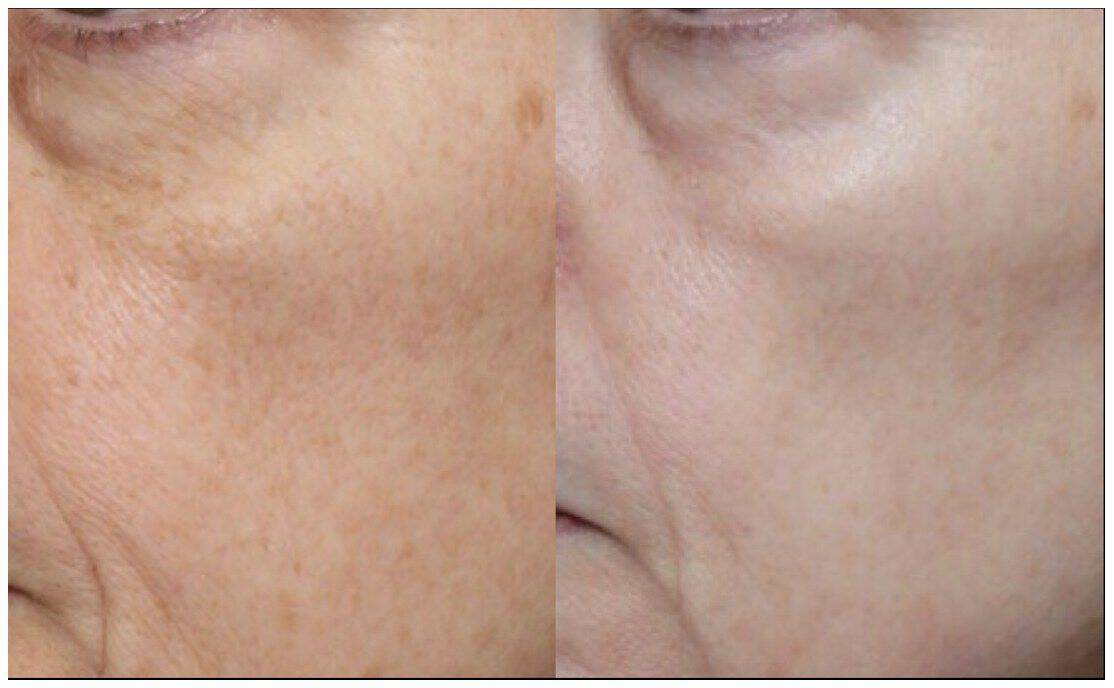
What you notice first, once the flaking has finished, is a finer surface. Make-up sits flat instead of gathering, and the light falls evenly across the cheek rather than catching in it. Pores look tighter, because the collagen around them has been rebuilt rather than merely cleared out. Texture, tone and firmness then keep improving for three to six months as that collagen reorganises.
Dr Mattia asks you to judge the result at three months, not at three weeks. The course is typically two or three sessions, three to four months apart, with collagen reorganising in between. Healing runs to three to seven days of flushing and flaking as the new surface comes through. It is a course that finishes, and your skin carries the result on its own.
Not every plateau needs the deepest option, and the concern decides which treatment answers it. Where the complaint is dull tone rather than texture, 3DMIRACL is the lighter pass, at 10 to 15 minutes with no formal downtime. The warmth settles within hours and the brightness shows within days. Dr Mattia makes that call at the consultation, from what he sees in your skin.
Open pores deserve a word of their own, because they frustrate the most careful routines. Cleansing and acids keep them clear, and we have written about what actually helps clogged pores. No cleanser can change the size of the opening, which the collagen around it holds. That is why textured skin answers so well to a laser and so slowly to products.
Your routine is not retired by a laser course, and it comes back once your skin has healed. For the first days the plan is barrier cream, gentle cleansing and sunscreen every morning. There is no heat, exercise or swimming until the new surface has settled. Dr Mattia writes it down and gives you the date your retinoids and acids return.
Between sessions, medical grade skincare is what holds the result. The range we prescribe at the clinic is chosen for the skin in front of us, not picked off a shelf. Sunscreen is the one thing we ask you never to skip, because a new surface is bright and deserves protecting. Your routine matters more after resurfacing than it ever has.
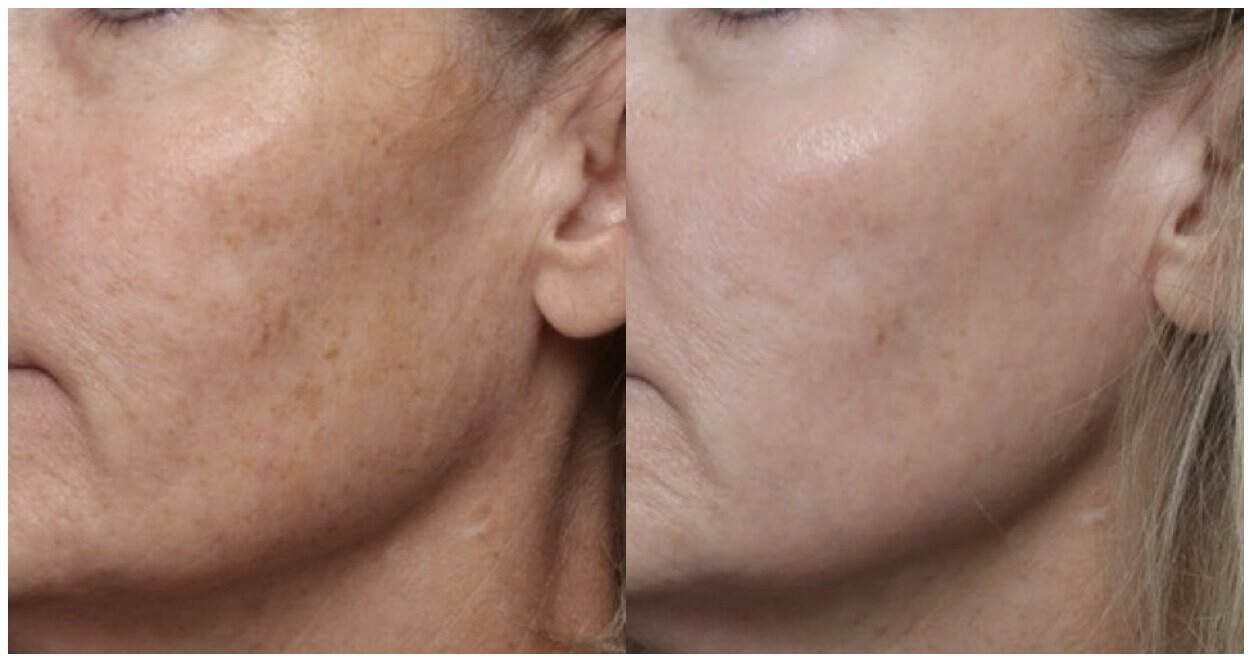
That is the partnership at its best. The laser does the structural work in a handful of appointments, and your products keep the surface bright and protected in between. People who stay with their routine hold a smoother result for longer, and their next session starts from a better place. Skincare keeps its place in the plan rather than being asked to do the whole job alone.
The course is planned at a consultation, where Dr Mattia Parducci (GMC 7635663), our Lead Aesthetic Doctor, examines your skin under clinic lighting and VISIA imaging. That shows the texture, pore size and sun damage beneath what a bathroom mirror reveals. He asks what you use at home, because a well-prepared face changes how he plans a course.
Dr Mattia performs every UltraClear session himself, from start to finish. He has performed more than 100 of these laser treatments, already at our sister clinic in London, Dr Joney De Souza Skin & Laser. You can read more about him on his profile page. Where another treatment would suit your skin better, he recommends that one instead and tells you why.
Bring your actives with you, and expect a few questions alongside. Whether you have used isotretinoin recently, whether any prescription retinoid or acid is in your routine now, whether you have a tan, whether you get cold sores, and whether you are pregnant or breastfeeding. He then tells you exactly when to pause what, and when to bring it back.
The UltraClear depth usually runs to two or three sessions, three to four months apart. Deeper skin tones are patch tested on a small area at least 24 hours before the first full session. That is the average, and the number that matters is the one he gives you in the room. You leave knowing what is treated, how long healing takes and when to judge the result.
If your routine has taken you as far as it can, come and let Dr Mattia look at what sits below the surface. Summertown, welcoming patients from across Oxfordshire is a straightforward journey from Jericho, Headington or Botley, which matters when a course runs across a year. We are the only clinic in Oxford where UltraClear is performed by a doctor who has already performed more than a hundred of these treatments. Have a look at the UltraClear before and afters, then get in touch and we will set the first appointment up.
The doctor who performs every UltraClear session at Cannelle, filmed treating with the same laser at our sister clinic in London, Dr Joney De Souza Skin & Laser. Watch how the handpiece moves, how calm the skin stays, and how little fuss the whole thing involves.
Resurfacing is one of four ways Cannelle takes texture past what a routine can do, and each earns its place. This is how they differ, so the conversation at your consultation starts further along.
| Treatment | What it does and suits | Recovery |
|---|---|---|
UltraClear | Lifts the damaged surface through cold channels so new skin and collagen rebuild. Texture, lines, sun damage, pores, scarring. | None to a week or two, set by depth |
SkinPen microneedling | Fine needle channels prompt collagen without lifting the surface. Early lines, pores, mild scarring. | A day or two of pinkness |
Morpheus8 | Radiofrequency through needles warms the deeper layers. Laxity, jowls, deeper texture. | A few days of redness and mild swelling |
Chemical peel | Controlled exfoliation by acid. Uneven tone, congestion, superficial texture. | Several days of flaking |
If your routine has done everything it can, come and let Dr Mattia look at what sits below the surface. He will assess your skin with VISIA imaging and set a course that finishes. Message us on WhatsApp, or call the clinic on 01865 511960.
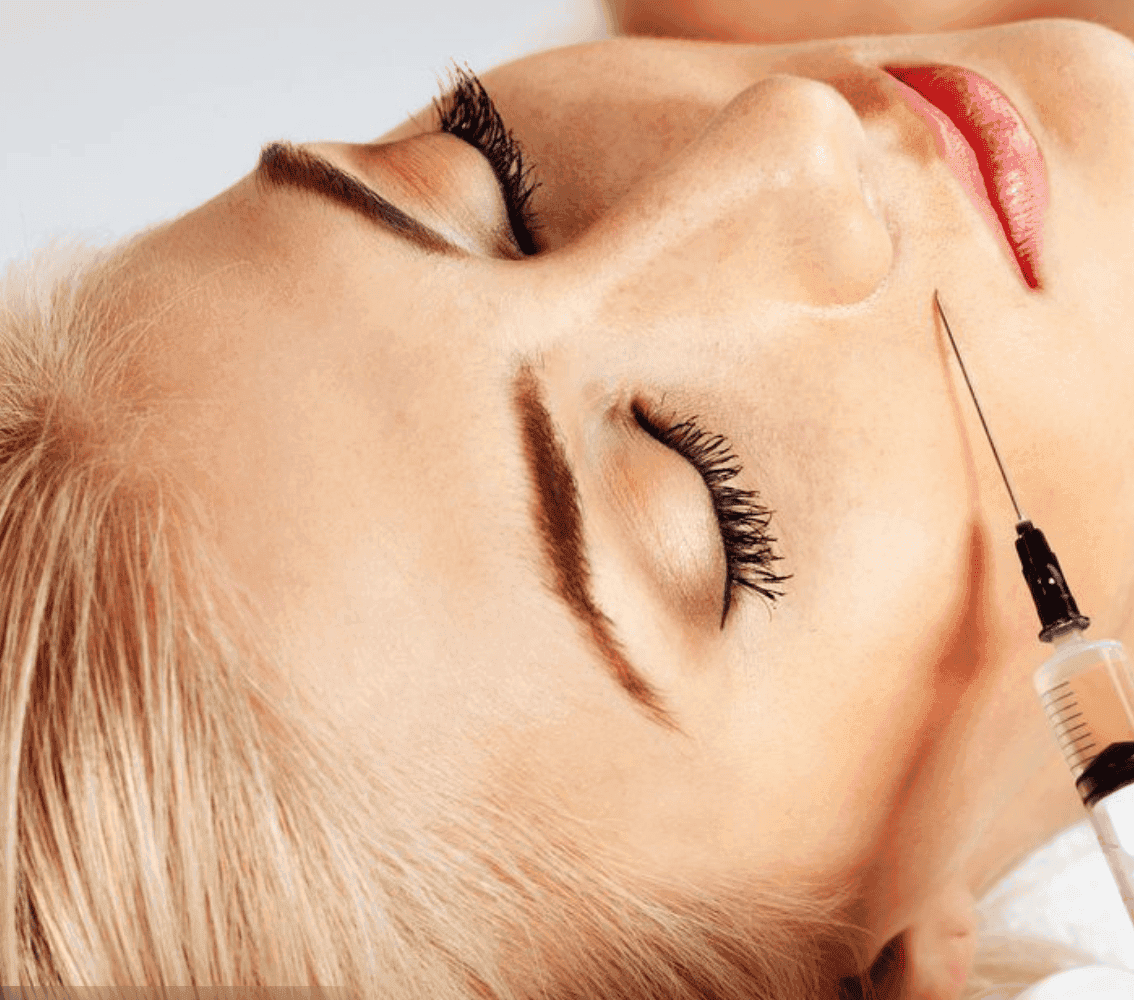
These are the questions we hear most from people whose routines are already good. Dr Mattia answers them for your own skin at the consultation, and these will get you started.
Texture is decided below the surface, so the treatment has to reach that far. The UltraClear depth resurfaces through thousands of microscopic channels and prompts your own collagen to rebuild, which is what smooths the surface and tightens the look of open pores. Dr Mattia matches the depth to what he sees at your consultation, and your skincare keeps the result bright in between sessions.
Your routine has not failed, it has simply reached its natural limit. Creams work on the surface layer, and texture, depressions and open pores are held in the dermis underneath. A retinoid can keep that surface turning over beautifully and still leave the structure below untouched. Retinol prepares the skin, and a resurfacing laser finishes the job by reaching the layer no product gets to.
Yes. Open pores sit at the depth the UltraClear depth treatment reaches, and the improvement comes from rebuilding the collagen around each opening rather than from clearing it out. Skin looks finer and make-up sits flatter once the new surface has come through. Cleansing and acids still matter for keeping pores clear, and our blog on clogged pores covers that side of it.
Dr Mattia gives you the instructions at your consultation, so you will not have to guess. There is a point at which actives pause before a resurfacing session, and a set date on which your retinoids and acids come back afterwards. He writes the whole routine down, including barrier cream and sunscreen for the healing days, and he chooses those dates around your skin and your course.
Three to seven days. Your skin flushes and feels warm on the day, then flakes gently while the old surface lifts away and the new one comes through, pinker and finer. Once that settles you are back in make-up and back to your week. Sunscreen every morning and a gentle barrier cream carry you through, and Dr Mattia sets it all out before you leave.
The UltraClear depth typically runs to two or three sessions, spaced three to four months apart, and that is the whole course. The spacing gives your collagen time to reorganise between visits, which is where most of the change happens. Those numbers are averages, and the texture you start with moves them either way, so your own course is confirmed in the room.
Very much so, and it matters more than ever afterwards. The laser does the structural work in a handful of appointments, and your products keep the new surface bright, calm and protected in between. Sunscreen is the one thing we ask you never to skip. The medical grade range we prescribe at the clinic is chosen for your skin rather than picked off a shelf.
It was designed for every skin tone, from Fitzpatrick I to VI, because so little heat spreads into the skin around each channel. NewBeauty gave it a 2026 Beauty Award as Best Laser Treatment for All Skin Tones. Dr Mattia patch tests deeper tones on a small, discreet area and waits at least 24 hours before your first full session.
The first real change shows once healing finishes, as a finer surface that holds make-up better and catches the light more evenly. Texture, tone and firmness then keep improving for three to six months as collagen reorganises beneath the new skin. Dr Mattia asks you to judge the result at three months rather than at three weeks, and it carries on improving after that.
Dr Mattia Parducci (GMC 7635663), our Lead Aesthetic Doctor, performs every UltraClear session himself from start to finish. He has performed more than 100 of these laser treatments, already at our sister clinic in London, Dr Joney De Souza Skin and Laser. He sets your settings, your spacing and your aftercare personally, and the UltraClear treatment page has the full detail.
Our clinic is located in Summertown, Oxford, just north of the city centre in one of Oxford’s most sought-after neighbourhoods. Discreet and easy to reach, we offer a premium setting for bespoke skin, aesthetic and wellness care.
We welcome patients from across Oxford city and Oxfordshire, including Summertown, Headington, Kidlington, Abingdon, Bicester, Witney and the surrounding towns and villages. Whether you’re coming for routine skin-health treatments or specialist aesthetic consultations, our location is well connected and simple to access.
Our clinic, Cannelle Skin Clinic, is just minutes from Oxford city centre and easily reached by car, bus or rail. Oxford’s mainline stations Oxford Station and Oxford Parkway are a short taxi or bus ride away, and regular services link to London, Reading, Didcot, Banbury and beyond.
By car, we’re conveniently accessed via key local routes with nearby parking options; by public transport, frequent bus routes along Banbury Road drop you within a short stroll of the clinic.
Whether you’re travelling from within Oxfordshire, further afield in the UK or internationally, our clinic offers a calm, personalised and professional environment for your visit.