You can see something has changed, though you are unsure whether it is shape or skin. Here is how to tell whether your face is asking for a skin booster, a filler or a little of both.
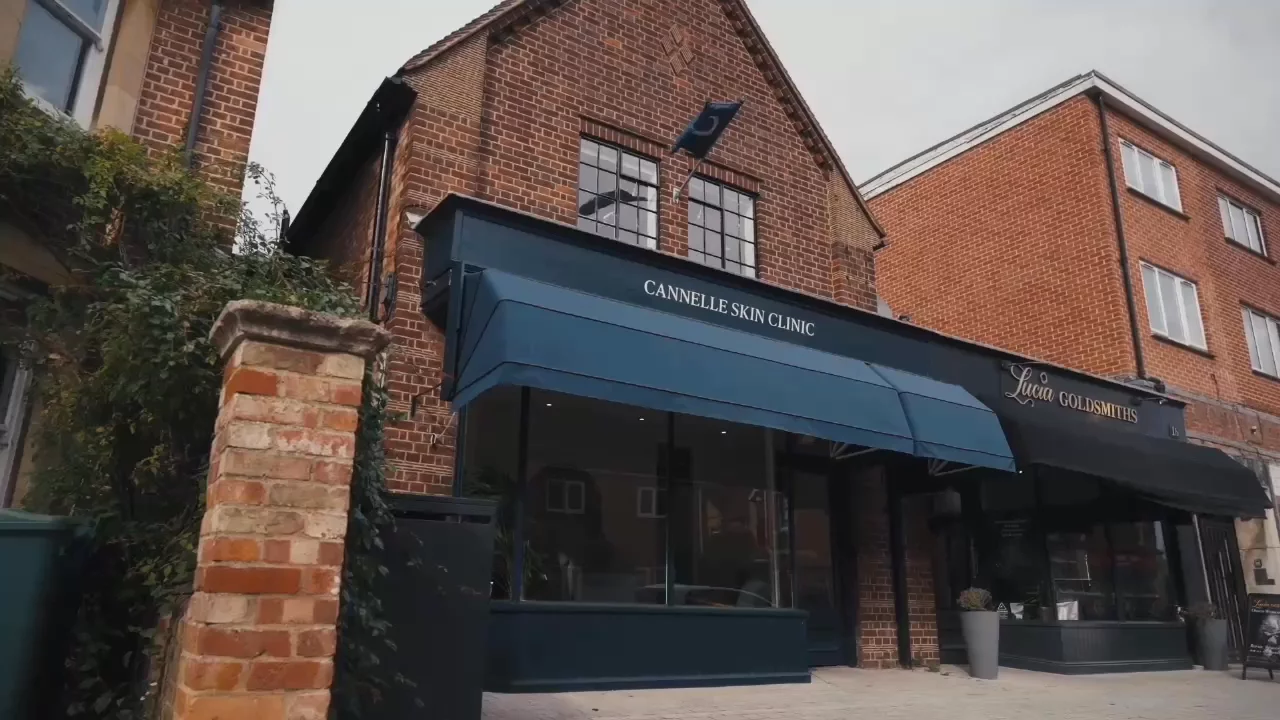
A changing room with a three-way mirror and hard downlights shows you an angle of your face you rarely see. In profile the cheek looks a little flatter, a shadow sits beneath the eye, and the skin itself looks dull under that unforgiving light. Cannelle Skin Clinic in Summertown, Oxford can help with every part of that reflection.
| Performed by | Appointment | Downtime | Result lasts |
|---|---|---|---|
| Dr Mattia Parducci, GMC 7635663 | 20 to 45 minutes | Small bumps settle in a day or two | Several months |
The trick is knowing which part is which. Shape and shadow belong to volume, and that is filler territory. Dullness, dryness and crepey texture belong to skin quality, and that is where skin boosters shine. Skin boosters vs fillers is a question worth settling before anyone picks up a needle.
The two families share a surprising amount of history. Both often use hyaluronic acid, and a review in Skin Research and Technology describes a clear move from hyaluronic acid fillers for volume towards boosters that improve the skin itself. The ingredient may be related, while the job is entirely different.
Timing makes the question sharper this year. UK beauty and aesthetics coverage through 2026 has leaned towards treatments that improve skin rather than add to it. Plenty of people now arrive asking for a booster when a touch of shape would help, and others ask for filler when their skin is simply thirsty.
Light tells the story. When a cheek loses a little fullness, light stops landing on it in the same place, and a shadow forms below. A tear trough reads as tiredness for the same reason. Those are questions of shape, and a well-placed filler answers them by restoring the support that the light used to catch.
Texture behaves differently. Dehydrated skin scatters light instead of reflecting it, so the face looks matt and flat even when its contours are perfectly good. Make-up clings to dry patches and gathers in fine lines. Plenty of people blame volume for what is really thirsty, tired skin, and a booster changes that far more gracefully.
Most faces show a little of both. A woman in her forties might have lovely cheekbones and skin that has lost its sheen, or bright skin above a softening jaw. Reading which concern leads is the real skill here, and it is why this choice belongs with a doctor who treats both every week.
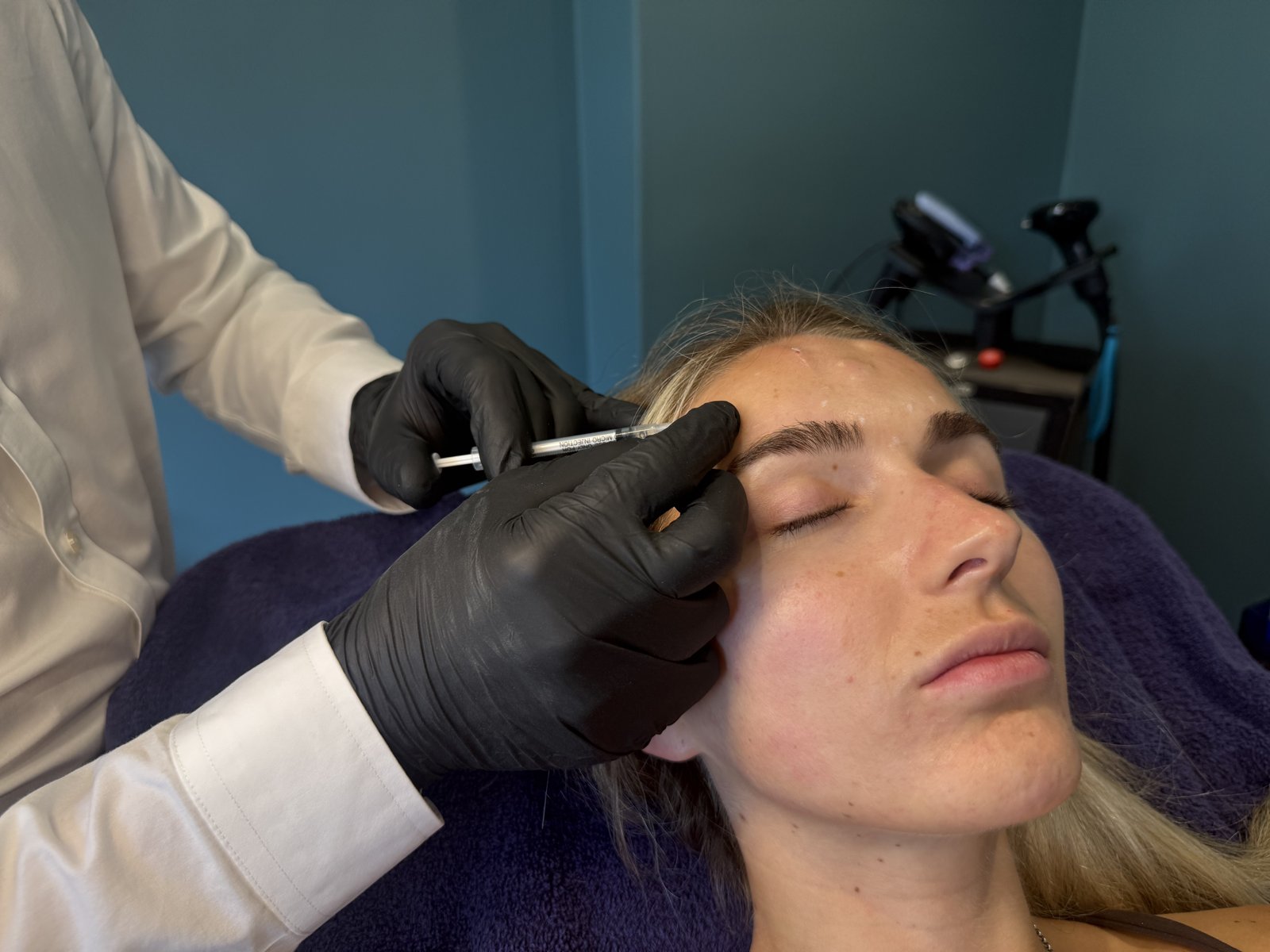
Boosters spread, rather than sit. Profhilo disperses from five points on each side of the face and floods the skin with hydration. Restylane Vital places tiny droplets of hyaluronic acid for deep moisture. SkinVive smooths flat, dry cheeks. Polynucleotides send a repair signal to thin, crepey skin, especially under the eyes.
The common thread is quality. Skin becomes plumper, brighter and more even, and it reflects light again instead of absorbing it. Nothing about the shape of your face changes, which is precisely why boosters suit people who want to look fresher without anyone guessing why. Results build over a short course and last several months.
The change arrives softly. A week or two after a first Profhilo session, foundation glides on instead of catching on dry patches. By the second month the cheek feels springier to the touch, and photographs taken by a window look clearer. Friends tend to ask about your sleep rather than your skin.
Skin becomes plumper, brighter and more even, and it reflects light again instead of absorbing it.
Prices depend on the booster. Profhilo and polynucleotides each start from £350 a session, while the rest of the range is priced on our prices page or at your first visit. The full comparison sits on our skin boosters page, with each option, its sessions and its downtime laid out side by side.
Filler is the sculptor’s tool. A firmer hyaluronic acid gel placed in the cheek lifts the mid-face and softens the shadow under the eye at the same time. A structural gel along the chin and jawline sharpens the profile. Softer gels define and hydrate the lips, and a light gel brightens a hollow tear trough.
The change is visible straight away and settles over one to two weeks. Results last from six to eighteen months depending on the area, and every hyaluronic acid filler at Cannelle is dissolvable. Dr Mattia Parducci (GMC 7635663), our Lead Aesthetic Doctor, places each syringe himself and often prefers two areas in small amounts to a single heavy one.
Filler pricing is clear. Half a millilitre starts from £270 and one millilitre from £345, while tear trough filler is a set £450 and nose filler a set £520. Our dermal fillers page walks through every area, and the facial volume loss page shows where shape begins to matter most.
Picture a face that has both stories to tell. The cheeks have flattened slightly, the under-eye looks hollow by evening, and the skin has gone dull after a long year. A small amount of cheek filler restores the shape, and a booster course brings the light back to the surface. Together they look like a very good holiday.
Order matters. Dr Mattia often sets the structure first with a touch of filler, then lets a booster refine the skin over the following weeks. Sometimes it runs the other way, with a booster first so the skin is plump and settled before any volume is judged. Either way, the plan follows your face.
The result is a face that reads as yours, only well rested. Expression stays natural, proportions stay balanced, and the glow comes from skin that is genuinely healthier. For a closer look at one specific pairing, our earlier piece on Profhilo and dermal fillers goes deeper.
Your first visit starts with the face in good light, from the front and in profile. Dr Mattia looks at shape, shadow and skin quality, then tells you which leads for you. If a booster alone will give you what you want, you will hear that. If another treatment suits you better, he says so and tells you why.
Who holds the needle matters with any injectable. The government-approved Save Face register of accredited practitioners is one way people check a clinic, and at Cannelle every injectable booster and filler is planned and performed by a doctor. A booster course usually means two or three sessions, and your consultation gives the real number for you.
Summertown is a straightforward trip from Headington across the ring road or up the A34 from Abingdon, and patients come from across Oxfordshire for Dr Mattia’s work. The clinic is rated 4.8 on Google from more than 330 reviews, and appointments run into the evening on Wednesdays, Thursdays and Fridays.
Bring the face from the three-way mirror and find out whether it is asking for shape, for skin or for a little of both. The skin boosters page is a lovely place to start reading before you come in, and a short message is all it takes to find a time that suits you.
Book a first appointment in Summertown and Dr Mattia will read your face for shape, shadow and skin quality, then plan a skin booster, a filler or both. Call 01865 511960 or message us on WhatsApp.
These are the questions people ask most when they are weighing skin quality against shape. If yours is missing, Dr Mattia answers it in person once he has looked at your face in good light.
Skin boosters improve the quality of the skin itself: hydration, glow, elasticity and fine texture. Fillers restore or refine shape, adding support to areas such as the cheeks, lips, chin and tear troughs. Both are injectable and many use hyaluronic acid, yet they do different jobs, and plenty of faces benefit from a little of each.
Boosters refresh the skin beautifully and leave your contours as they are, so they suit people whose main concern is dullness or dehydration. Where a cheek has flattened or a hollow has formed, filler is the right tool for the shape. Dr Mattia looks at both questions separately, then builds a plan that answers whichever leads for you.
It depends on what is making them look tired. A hollow tear trough casts a shadow, and a light filler lifts it. Thin, crepey skin under the eyes responds well to polynucleotides, which repair and thicken delicate skin. Dr Mattia reads the under-eye in good light and tells you which of the two, or which combination, suits you.
Many people have both as part of one plan, often a few weeks apart. Dr Mattia usually sets the structure first with a small amount of filler, then refines the skin with a booster course. Sometimes the booster comes first. The order follows your face, and every step is planned before anything begins.
Most skin boosters last several months after a short course, with Profhilo typically lasting six to nine months and polynucleotides six to twelve. Fillers usually last from six to eighteen months depending on the area, with lips at the shorter end and cheeks, chin and jawline at the longer end. Maintenance keeps both looking fresh.
Hyaluronic acid fillers at Cannelle are dissolvable, and so are the hyaluronic acid boosters such as Profhilo, Restylane Vital and SkinVive. Polynucleotides work differently, prompting the skin to repair itself, and the effect fades gradually over the following months. Dr Mattia talks you through how each product behaves before you choose.
Profhilo and polynucleotides each start from £350 a session. Dermal filler starts from £270 for half a millilitre and £345 for one millilitre, with tear trough filler at £450 and nose filler at £520. Other boosters are priced at your first visit, and Dr Mattia confirms the full cost of your plan before treatment begins.
Dr Mattia Parducci, our Lead Aesthetic Doctor, plans and performs every injectable skin booster and dermal filler at the clinic himself. The one exception is exosomes, which a skin therapist applies during SkinPen microneedling. If you would like more help choosing a booster, our guide on how to choose a skin booster is a good place to start.
Our clinic is located in Summertown, Oxford, just north of the city centre in one of Oxford’s most sought-after neighbourhoods. Discreet and easy to reach, we offer a premium setting for bespoke skin, aesthetic and wellness care.
We welcome patients from across Oxford city and Oxfordshire, including Summertown, Headington, Kidlington, Abingdon, Bicester, Witney and the surrounding towns and villages. Whether you’re coming for routine skin-health treatments or specialist aesthetic consultations, our location is well connected and simple to access.
Our clinic, Cannelle Skin Clinic, is just minutes from Oxford city centre and easily reached by car, bus or rail. Oxford’s mainline stations Oxford Station and Oxford Parkway are a short taxi or bus ride away, and regular services link to London, Reading, Didcot, Banbury and beyond.
By car, we’re conveniently accessed via key local routes with nearby parking options; by public transport, frequent bus routes along Banbury Road drop you within a short stroll of the clinic.
Whether you’re travelling from within Oxfordshire, further afield in the UK or internationally, our clinic offers a calm, personalised and professional environment for your visit.

