Your skin looks flat and tired, and two injectables keep coming up. Profhilo floods it with hydration, polynucleotides coax it into repair. Here is how to tell which one your face is asking for.
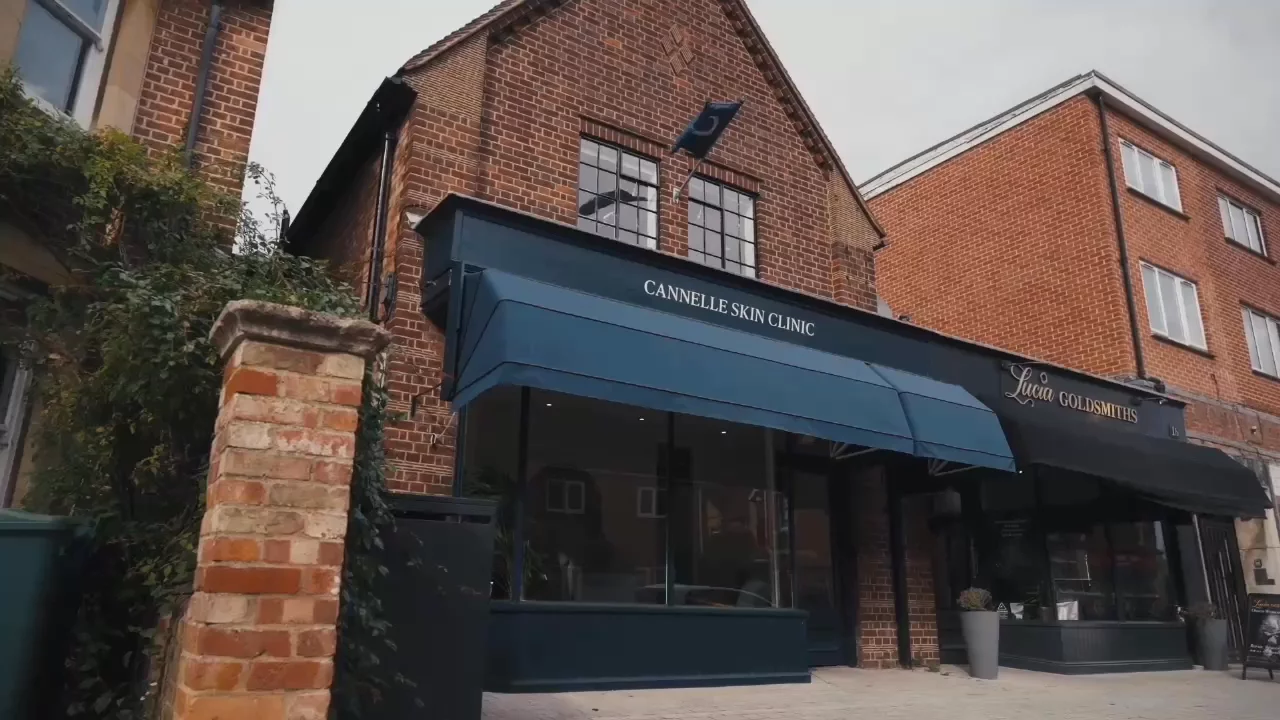
The front camera flips on by accident on the bus home, and there you are for one unguarded second. Your skin looks a shade flatter than you remember, with a fine crepe beneath the eyes and cheeks that have stopped catching the light. Cannelle Skin Clinic in Summertown, Oxford has two injectable answers for that face.
| Performed by | Appointment | Back to work | Result lasts |
|---|---|---|---|
| Dr Mattia Parducci, GMC 7635663 | 20 to 30 minutes | Same day | Six to twelve months |
One is Profhilo, a pure hyaluronic acid gel that spreads beneath the skin and floods it with hydration. The other is polynucleotides, purified DNA fragments that coax tired skin into repairing itself. The whole Profhilo vs polynucleotides question comes down to what your skin is missing: water and bounce, or repair and resilience.
Both treatments arrive at an interesting moment. Across UK beauty and aesthetics coverage in 2026, the talk has moved away from adding volume. The new interest is in treatments that encourage the skin’s own collagen. An expert consensus had already observed that skin quality and a natural look are now the goals of most aesthetic treatments.
Profhilo is the hydrator of the pair. It is made from highly purified hyaluronic acid, the molecule your skin already uses to hold water. It behaves nothing like a filler. Rather than sitting in one spot, it melts outwards from a handful of points and spreads a fine veil of moisture beneath the whole cheek.
The clever part is the chemistry. Profhilo joins long and short hyaluronic acid chains into hybrid complexes. In laboratory work, those complexes raised collagen and elastin expression in skin cells. Skin drinks in the water first and builds firmness behind it. That is why most people notice the glow before they notice the bounce.
Polynucleotides speak to the skin in a different language. They are chains of highly purified DNA fragments, and once they settle into the dermis they act as a repair signal. Fibroblasts, the cells that build collagen and elastin, switch into repair mode. Skin that looked papery gradually thickens, calms down and finds its resilience again.
Neither treatment adds volume, and neither changes the shape of your face. Friends who see you afterwards tend to say you look well rested, which is precisely the point. The difference lies in what each one restores. That is where your own skin starts to make the choice for you.
Picture skin that has turned dry and dull, with make-up settling into fine lines by lunchtime. The cheeks no longer spring back when you press them. That face is thirsty, and Profhilo answers thirst beautifully. It suits early laxity across the face, the neck and the backs of the hands, wherever hydration and firmness have slipped together.
Now picture a different face. The skin under the eyes has gone crepey and faintly shadowed, and the cheeks look tired even after a good night. The complexion has a stressed, slightly reactive quality. That skin is asking for repair, and polynucleotides are made for it, especially under the eyes, where filler is so often the wrong tool.
Plenty of people sit somewhere in between. Dr Mattia Parducci (GMC 7635663), our Lead Aesthetic Doctor, plans and performs every Profhilo and polynucleotide treatment at Cannelle himself. He reads where your skin is thirsty and where it is fragile. The answer is sometimes one, sometimes the other and quite often a careful combination.
The skin under the eyes has gone crepey and faintly shadowed, and the cheeks look tired even after a good night.
A Profhilo appointment is quick, around twenty to thirty minutes. Dr Mattia maps five points on each side of the face, known as Bio Aesthetic Points, and places a little gel at each one. Optional numbing cream keeps it comfortable. Most people describe a few brief scratches rather than anything they would call pain.
Polynucleotides take around thirty minutes. The product goes in through a fine needle, into the layer of skin that needs support, with particular care around the eyes. Numbing cream is optional here too. Most people find the session very tolerable, and often calmer than they had imagined once the first few points are done.
Afterwards both leave small raised bumps at the injection points, and these settle within a day or so. Most people head straight back to their day. For the first twenty four hours it is kinder to skip make-up, heat and strenuous exercise. Dr Mattia and the team talk you through aftercare before you leave.
Profhilo works as a course of two sessions, four weeks apart. Hydration and glow tend to show within a couple of weeks of the first, and the skin feels plumper under your fingertips. Fuller firmness arrives a few weeks after the second session. The result typically lasts six to nine months, and a single top-up keeps it going.
Polynucleotides build more quietly. A short course of two to three sessions, a few weeks apart, gives the repair signal time to work. Freshness can show within a couple of weeks, and tone, texture and elasticity keep improving after that. Results typically hold for six to twelve months, with a maintenance session to keep the benefit topped up.
That slower curve is part of the pleasure. Start a course in October and you reach the darkest weeks of winter with skin that looks rested in daylight. Make-up holds, and light falls evenly across the cheek again. It is the kind of change people notice in you without quite being able to name it.
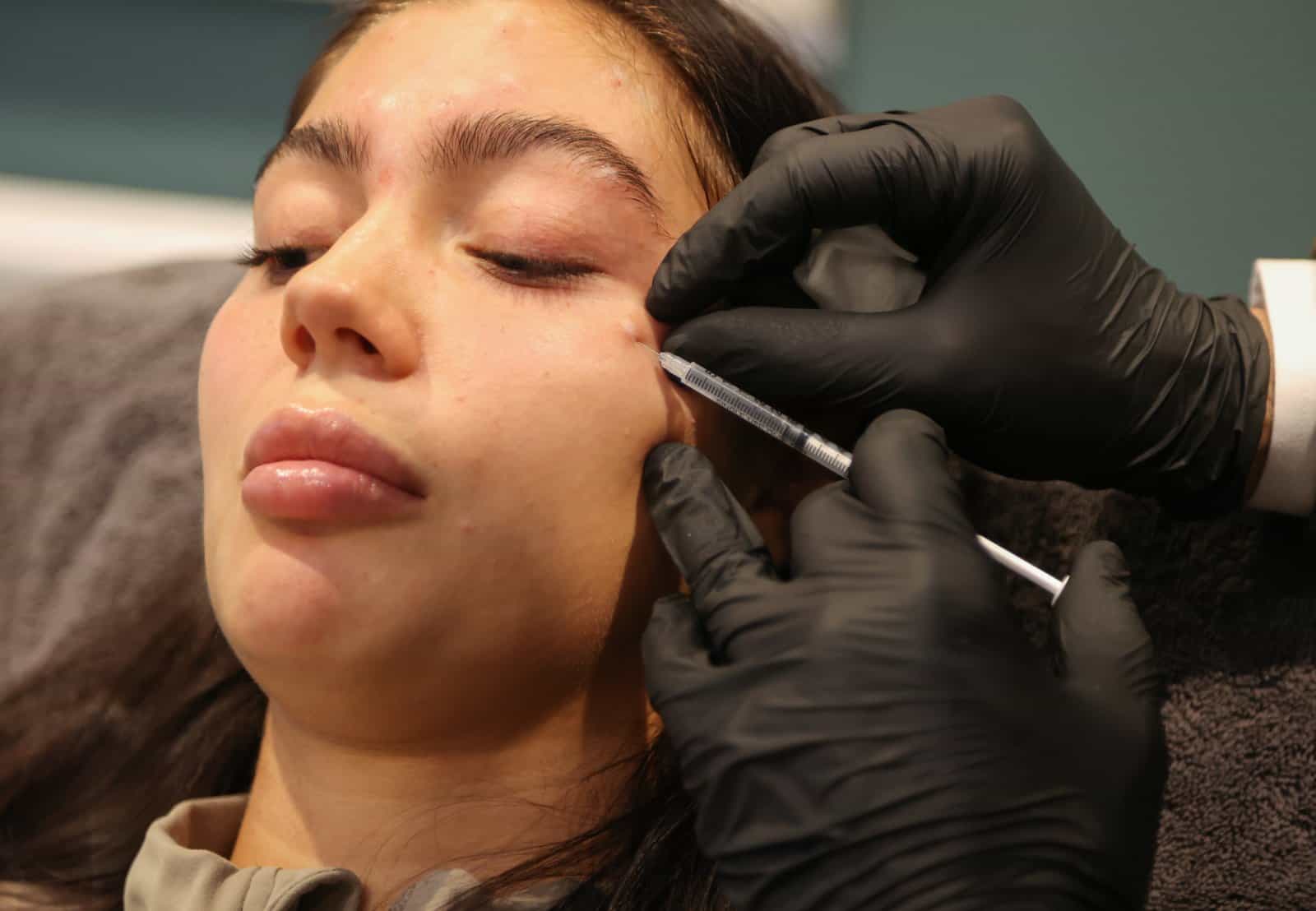
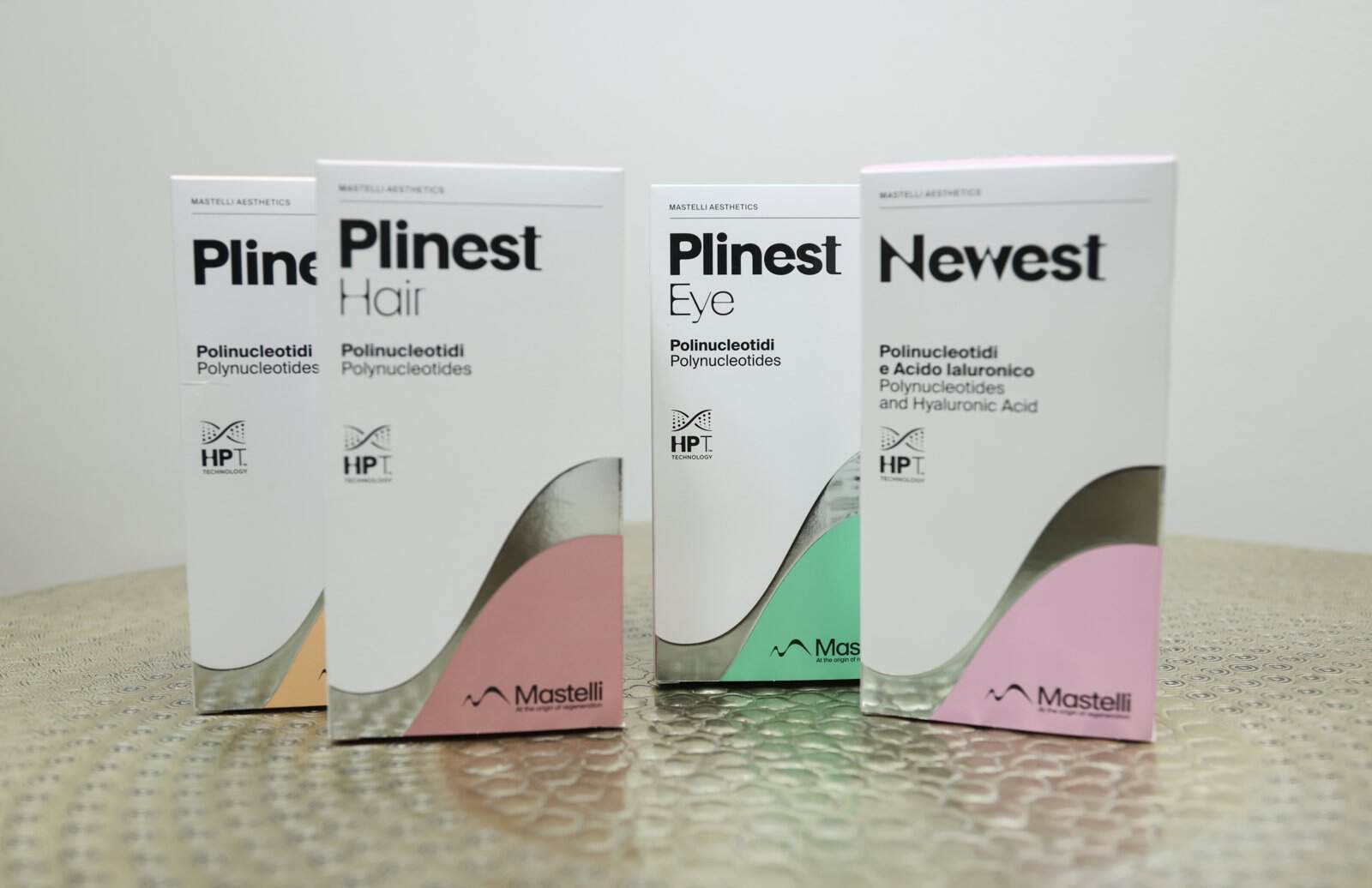
Many patients at Cannelle combine the two, and the pairing makes real sense. Profhilo spreads hydration and firmness across the whole face. Polynucleotides concentrate repair where skin is thinnest, usually under the eyes. The result is a face that looks evenly refreshed, rather than glowing cheeks sitting beneath eyes that still look tired.
Dr Mattia sequences the sessions so each treatment has room to work. Filler can sit alongside either one where volume is genuinely missing, and our skin boosters hub shows how the wider family compares. For the under-eye question, our guide to polynucleotides and PRP for dark circles goes deeper.
Prices are refreshingly simple. Profhilo starts from £350 a session, with the recommended course of two at £650 and a course of three at £870. Polynucleotides at Cannelle also start from £350 a session, with a course of three at £870. Your full plan is priced before anything begins.
Your first visit starts with Dr Mattia looking closely at your skin in good light. He checks its texture, how much water it holds, where it has thinned and where it simply looks tired. If he feels another treatment would suit you better, he will tell you and explain why. You leave with a plan, its spacing and its price.
Most people need two Profhilo sessions or two to three polynucleotide sessions to begin, followed by occasional maintenance. Those are averages, and your consultation gives the real number for you. If the whole face feels tight and flat as well, our page on dry and dull skin shows where these treatments sit.
The clinic is tucked into Summertown, an easy walk from Jericho and a short bus ride down the Banbury Road from Kidlington. Patients from right across Oxfordshire come in for Dr Mattia’s injectable work, and the clinic is rated 4.8 on Google from more than 330 reviews. It is a calm place to ask the question.
Bring the face from the bus window, the tired one, and let Dr Mattia read it properly. Start with the Profhilo treatment page or the polynucleotides treatment page. Within one appointment you will know which of the two belongs in your skin this winter.
Book a first appointment at our Summertown clinic and Dr Mattia will tell you whether Profhilo, polynucleotides or both will wake your skin up. Call 01865 537885 or message us on WhatsApp to find a time.
These are the questions people ask most when they are deciding between hydration and repair. If yours is missing, Dr Mattia answers it in person once he has seen your skin up close.
For thin, crepey skin under the eyes, polynucleotides are usually the first choice, because they repair and thicken delicate skin rather than simply hydrating it. Profhilo shines across the wider face, neck and hands, where dryness and early laxity are the main story. Dr Mattia looks at both areas at your first visit and tells you which suits each part of your face.
Yes, and many people at Cannelle do. Profhilo brings hydration and firmness to the whole face, while polynucleotides concentrate repair in thinner areas such as the under-eyes. Dr Mattia spaces the sessions so each treatment has room to work, and the combined result tends to look evenly refreshed rather than glowing in one place and tired in another.
Profhilo usually wins on speed. Hydration and glow often show within a couple of weeks of the first session, with firmness following a few weeks after the second. Polynucleotides bring an early freshness too, and then keep improving tone, texture and elasticity for weeks as the repair signal works. Both reward patience, and both look natural throughout.
Profhilo results typically last six to nine months after the initial course of two, and one top-up session keeps them going. Polynucleotide results typically hold for six to twelve months after a short course of two to three sessions, again with occasional maintenance. Your skin, your routine and your lifestyle all nudge those numbers, and Dr Mattia plans your maintenance around them.
Neither one adds volume or alters your proportions. Profhilo spreads through the skin as a fine veil of hydration, and polynucleotides work at a cellular level to improve skin quality. The change people notice is in the skin itself: brighter, smoother, more rested. If volume is what you want, Dr Mattia can talk you through filler as a separate option.
You will see small raised bumps at each injection point, sometimes with a little redness, and they settle within a day or so. Plenty of people return to the office that same afternoon. Skip make-up, heat and strenuous exercise for the first twenty four hours, and the team gives you clear aftercare guidance before you leave the clinic.
Profhilo starts from £350 a session, with a course of two at £650 and a course of three at £870. Polynucleotides start from £350 a session, with a course of three at £870. Dr Mattia confirms the right course and its full cost at your first appointment, so you know exactly where you stand before anything begins.
Dr Mattia Parducci, our Lead Aesthetic Doctor (GMC 7635663), plans and performs every Profhilo and polynucleotide treatment at Cannelle himself, so you are never handed to a non-medical injector. If you are weighing Profhilo against a longer-lasting collagen builder, our guide to Sculptra and Profhilo sets out how those two compare.
Our clinic is located in Summertown, Oxford, just north of the city centre in one of Oxford’s most sought-after neighbourhoods. Discreet and easy to reach, we offer a premium setting for bespoke skin, aesthetic and wellness care.
We welcome patients from across Oxford city and Oxfordshire, including Summertown, Headington, Kidlington, Abingdon, Bicester, Witney and the surrounding towns and villages. Whether you’re coming for routine skin-health treatments or specialist aesthetic consultations, our location is well connected and simple to access.
Our clinic, Cannelle Skin Clinic, is just minutes from Oxford city centre and easily reached by car, bus or rail. Oxford’s mainline stations Oxford Station and Oxford Parkway are a short taxi or bus ride away, and regular services link to London, Reading, Didcot, Banbury and beyond.
By car, we’re conveniently accessed via key local routes with nearby parking options; by public transport, frequent bus routes along Banbury Road drop you within a short stroll of the clinic.
Whether you’re travelling from within Oxfordshire, further afield in the UK or internationally, our clinic offers a calm, personalised and professional environment for your visit.

