Your skin turned tight and dull the week the heating came on. Here is how a HydraFacial and a chemical peel each bring the glow back, and why the happiest winter plan uses them in turn.
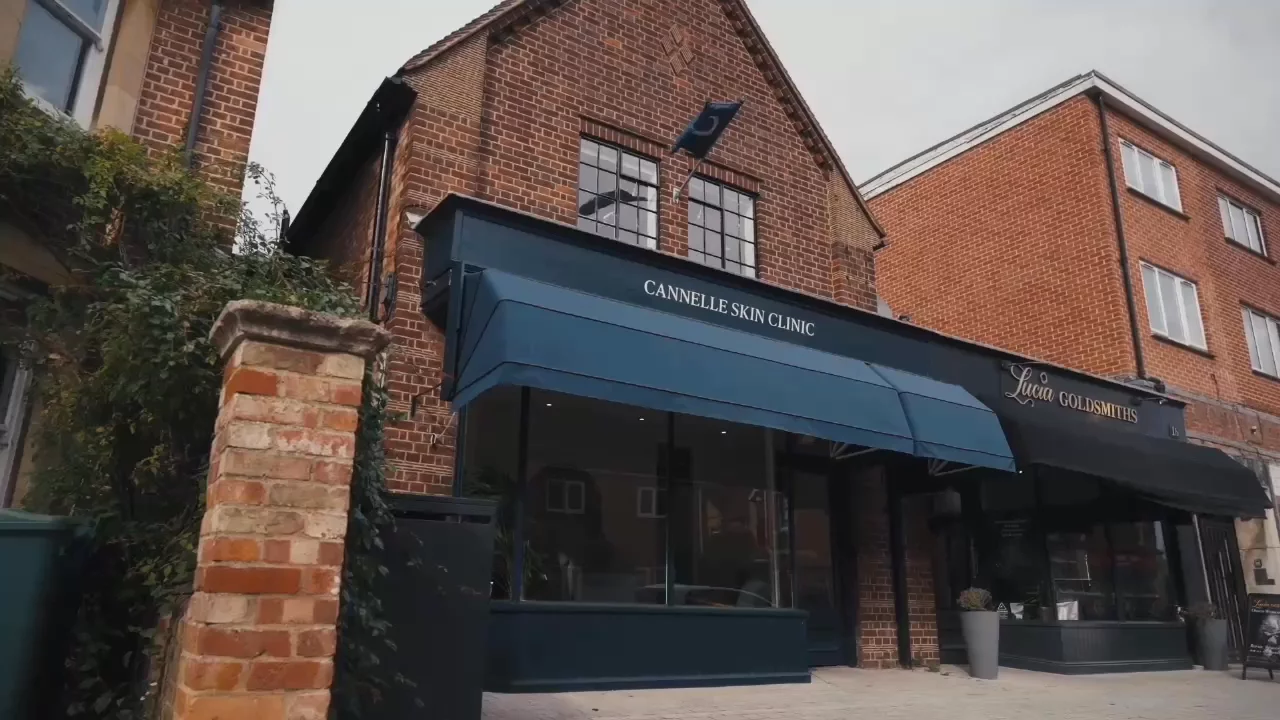
Your foundation went on beautifully in September. Now the radiators are on, and by mid-morning it catches on a dry patch beside your nose. The cheek that glowed all summer looks flat under the office lights. At Cannelle Skin Clinic in Summertown, Oxford, that winter dullness has two lovely answers, a HydraFacial and a chemical peel.
| HydraFacial | Chemical peel | After a peel | Peel course |
|---|---|---|---|
| 45 to 75 minutes, no downtime | 30 to 45 minutes | Redness for 24 to 48 hours, light flaking | Gentle peels four to six weeks apart |
Most people frame it as HydraFacial vs chemical peel, as though one of them has to win. Our therapists see two friends who renew skin from different directions. One floods the skin with water and clears the pores in a single sitting. The other lifts away the tired outer layer so fresher skin can surface beneath it.
Plenty of our regulars simply alternate them through the colder months. The question worth asking is which one your skin wants first, and the season has a surprising amount to say about that.
Winter changes the skin in ways most of us feel before we see. A long review of climate and skin found that low humidity and low temperatures weaken the skin barrier and leave it more reactive. That is the tight, papery feeling of the first frost.
Winter also brings short, soft daylight, and that turns out to be a gift. Freshly renewed skin is more sensitive to the sun while it settles, so the low, grey months are a natural time to begin a course of peels and let the new surface come through gently.
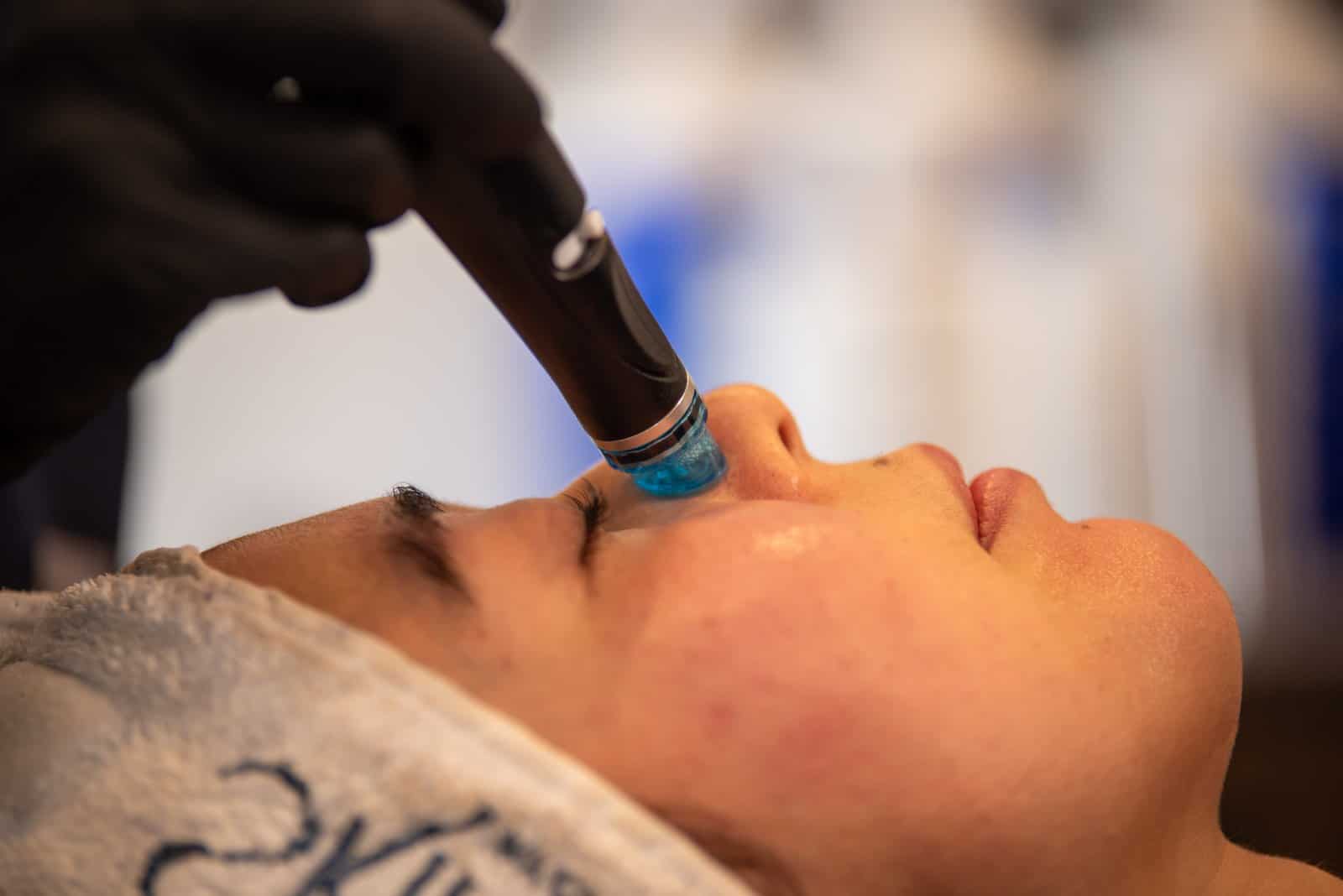
A HydraFacial is built around a vortex tip, a small spiral of suction. It cleanses and gently exfoliates, draws debris out of the pores, then pours hydrating serums back in. The clever part is that one movement does both jobs. The swirl that lifts out a week of central heating carries moisture into the surface it has just cleared.
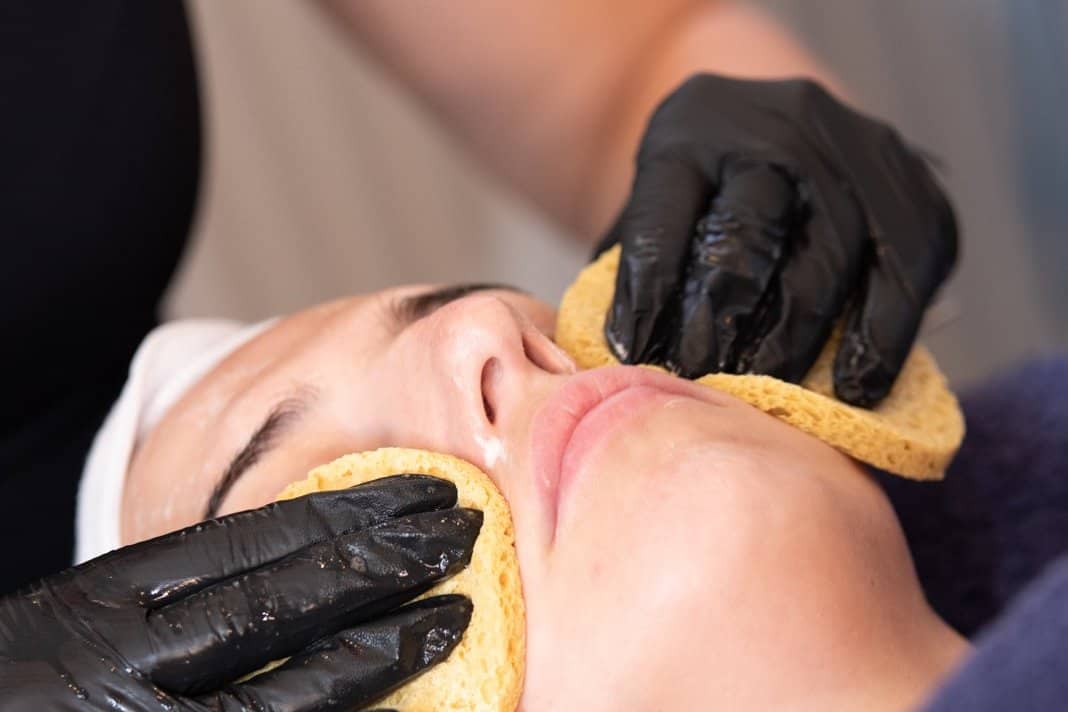
A chemical peel works by chemistry rather than suction. A measured solution loosens the bonds holding the oldest, dullest cells together. Over the following days they shed, and smoother, brighter skin comes through underneath. Dermatologists describe peeling as renewal to a predictable, uniform depth, so the strength decides how deep the change goes.
The difference shows in the mirror. A HydraFacial hands you the glow on the way out of the door, plump and clear, with nothing to hide. A peel hands it over about a week later. By then the light flaking has passed, and the fresh surface starts catching the light along your cheekbones.
Downtime is where the two part company, and it usually decides the order. After a HydraFacial there is no redness at all. Make-up goes straight back on, and you can walk into a dinner that same evening. The fresh, hydrated look lasts around four to six weeks, which is why many people book one every month.
By then the light flaking has passed, and the fresh surface starts catching the light along your cheekbones.
A peel asks for a little more patience, and repays it. Straight afterwards the skin can feel warm and tight, much like a mild sunburn. Light flaking often begins two to five days later. After a superficial peel the tightness settles within a day or two, while a medium-depth peel brings more visible peeling around days three to seven.
Aftercare is short and written down for you. Skip intense exercise for twenty four hours and stay out of saunas and steam rooms for forty eight. Leave flaking skin alone, and keep retinoids and acids on the shelf for several days. Daily SPF still matters on a grey January morning.
Skin that feels tight and papery, with make-up settling into dry patches, usually wants a HydraFacial first. Water is what it has lost, and the vortex puts it back. It also clears the congestion that rich winter creams leave around the nose and chin. The Deluxe tier adds a targeted booster and finishes with LED light to calm the skin.
Uneven tone, the faint brown marks of summer and a roughness no cream quite smooths respond beautifully to a peel. The depth of a glycolic acid peel depends on its concentration, the number of coats and how long it stays on. That is why a therapist can tune it so finely, starting gently and building across a course.
Plenty of faces ask for both, and that is the happiest answer of all. A HydraFacial keeps the skin comfortable and plump between peels. Each peel, in turn, refreshes the surface the next facial works on. Our page on dry and dull skin shows how the two sit alongside skincare at home.
Picture December to March as a gentle sequence for your skin. A HydraFacial in early December settles dry, tight cheeks before the parties begin. A ZO peel in the quieter weeks of January lifts the dullness the festive season leaves behind. A second peel follows four to six weeks later, with a HydraFacial between them.
By the time the clocks go forward, the change is plain to see. Skin looks brighter and more even, and pores look finer. Make-up sits on the surface rather than catching in the dry places. Results from a course of chemical peels hold for several months, and a monthly HydraFacial carries that freshness on into spring.
Someone who has only ever booked a facial before a party often finds this rhythm a revelation. The glow stops arriving in bursts and starts to feel like the way their skin simply looks. Friends notice the brightness long before they notice anything was done.
Pricing is simple to plan around. A Deluxe HydraFacial starts from £160, with a course of three from £430, and the Platinum from £210. The ZO Restorative Peel starts from £105 and the ZO Stimulator Peel from £120, with courses of three at £280 and £320. Membership can spread a winter plan across the months.
Everything begins with your skin in good light and a conversation about how it behaves in the cold. From there your therapist suggests the order, whether that is a HydraFacial alone, a peel alone or the two in turn. Peel strength is matched to your skin type, and light peels can be repeated every four to six weeks.
Both treatments happen inside a doctor-led clinic. HydraFacials and peels at Cannelle are carried out by our senior therapists, among them Sajida Hussain, Maria Blaza and Svitlana Riabokin. Dr Mattia Parducci (GMC 7635663), our Lead Aesthetic Doctor, provides the medical oversight and sets the clinical standard the team works to.
The same therapist usually sees you through a course, so your skin is followed from one visit to the next. Most people settle into a pattern within a couple of visits, and your consultation gives the real number for you.
Summertown is an easy trip from Jericho, Wolvercote or Botley on a dark evening, and from much further across Oxfordshire, with the clinic open until eight from Wednesday to Friday. Have a look at the peels page and the HydraFacial treatment page, then bring us the skin you have in December.
Whether your skin is asking for water, renewal or both, our therapists will set the order with you, under the medical oversight of Dr Mattia. Call 01865 537885, message us on WhatsApp or book online, and we will find you a time in Summertown that suits the season.
These are the questions people ask most when the heating comes on and their skin starts to feel it. Each answer comes from how our therapists plan winter skin at Cannelle.
For skin that feels tight and looks dull, a HydraFacial is usually the first step, because it cleanses, extracts and rehydrates in one sitting with no redness afterwards. A peel comes into its own once the skin is comfortable again, lifting the dullness and uneven tone that hydration alone leaves behind. Many people alternate the two across the winter months for a glow that keeps building.
Yes, and a winter plan often does exactly that. A HydraFacial sits comfortably between peels, keeping the skin plump and clear while the deeper renewal builds. Your therapist spaces the two so each one lands on settled skin, and light peels can be repeated every four to six weeks. The order is set at your first visit, once your skin has been looked at properly.
Most peels bring a mild warmth or tingling while the solution works, and a feeling of tightness as it is neutralised and removed. Medium-strength peels can feel a little stronger and still stay comfortable. Soothing products and SPF go on straight afterwards, and the skin can look slightly flushed for a short while. A HydraFacial feels more like a cool, gentle massage across the face.
After a HydraFacial, straight away, since there is no redness or downtime and the skin is already glowing. After a light peel, make-up can usually go back on after twenty four hours, and a little later after a stronger one. Your therapist gives you the timing for your peel on the day, along with the rest of your aftercare in writing.
The clinic uses the ZO range, including the ZO Restorative Peel and the ZO Stimulator Peel, chosen to suit your skin type and the change you want to see. Gentle peels refresh and brighten, while stronger ones work on pigmentation, texture and the visible marks of ageing. The chemical peels page sets out how a course is built.
Freshly peeled skin is more sensitive to the sun while it renews, and winter daylight is short and soft, which makes protecting it simple. Daily SPF is still part of the plan, even under grey skies. Starting a course in the colder months also means the brighter, more even result is ready to enjoy by spring, when you are more likely to go bare-faced.
A Deluxe HydraFacial starts from £160 and the Platinum from £210, with courses of three from £430 and £550. The ZO Restorative Peel starts from £105 and the ZO Stimulator Peel from £120. Every current price, along with membership options, sits on our prices page, so you can plan a whole winter at a glance.
Our senior therapists carry out both treatments, and the same therapist usually sees you through a course so your skin is followed from visit to visit. The clinic is doctor-led, with Dr Mattia Parducci (GMC 7635663) as Lead Aesthetic Doctor providing medical oversight and setting the clinical standard the team works to. That is the reassurance underneath every facial and every peel.
Our clinic is located in Summertown, Oxford, just north of the city centre in one of Oxford’s most sought-after neighbourhoods. Discreet and easy to reach, we offer a premium setting for bespoke skin, aesthetic and wellness care.
We welcome patients from across Oxford city and Oxfordshire, including Summertown, Headington, Kidlington, Abingdon, Bicester, Witney and the surrounding towns and villages. Whether you’re coming for routine skin-health treatments or specialist aesthetic consultations, our location is well connected and simple to access.
Our clinic, Cannelle Skin Clinic, is just minutes from Oxford city centre and easily reached by car, bus or rail. Oxford’s mainline stations Oxford Station and Oxford Parkway are a short taxi or bus ride away, and regular services link to London, Reading, Didcot, Banbury and beyond.
By car, we’re conveniently accessed via key local routes with nearby parking options; by public transport, frequent bus routes along Banbury Road drop you within a short stroll of the clinic.
Whether you’re travelling from within Oxfordshire, further afield in the UK or internationally, our clinic offers a calm, personalised and professional environment for your visit.

