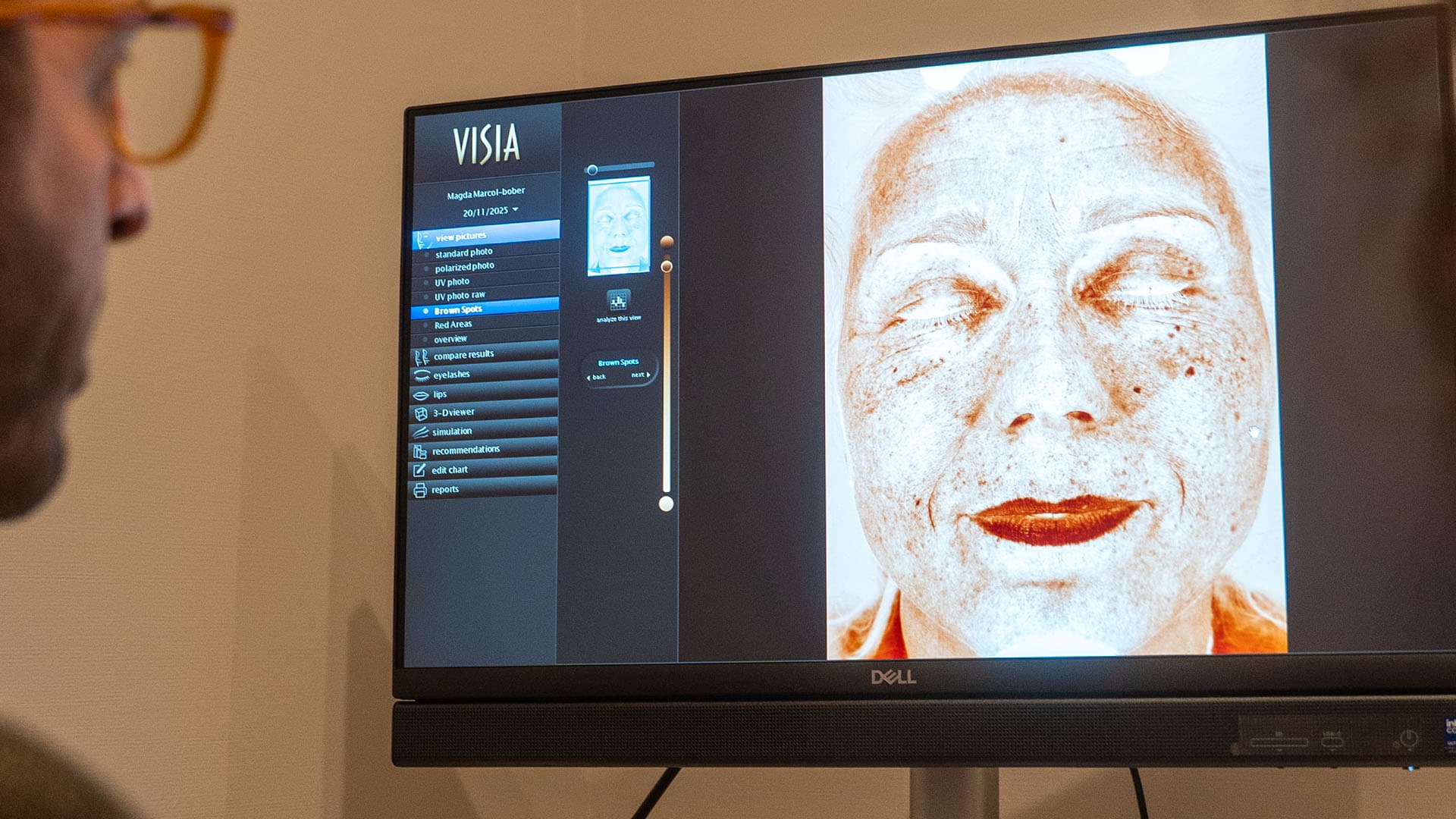
Pigmentation treatment at Cannelle Skin Clinic in Oxford targets sun damage, melasma and uneven tone. Doctor led care helps you achieve clearer, brighter and more balanced skin.
Pigmentation refers to areas of the skin that appear darker than the surrounding tissue. This can include sun spots, melasma, post inflammatory pigmentation from previous breakouts and general uneven tone. Pigmentation is extremely common and can affect any skin type. At Cannelle Skin Clinic in Oxford we take a doctor led and medically guided approach to assessing and treating pigmentation, helping patients achieve clearer, brighter and more even looking skin.
Pigmentation is caused by an increase in melanin, the pigment that gives skin its colour. While melanin is essential for skin protection, an imbalance in its production can lead to patches, spots or diffuse discoloration. Understanding the type of pigmentation you have is crucial because each type responds differently to treatment.
Pigmentation forms when melanocytes, the pigment producing cells in the skin, become overstimulated. Several internal and external factors can trigger this process.
Sun exposure: Ultraviolet light is the most common cause of pigmentation. It increases melanin production and can lead to sun spots or general uneven tone.
Hormonal changes: Hormones can stimulate pigment cells, especially during pregnancy, contraceptive use or menopause. This can result in melasma, a form of pigmentation that appears in symmetrical patches.
Post inflammatory pigmentation: Any injury or inflammation such as acne, eczema or heat damage can leave lingering brown marks as the skin heals.
Skin ageing: As the skin ages, its ability to repair UV damage changes, leading to more visible pigmentation.
Genetics: Some individuals are naturally more prone to developing pigmentation due to their skin type or inherited characteristics.
Pigmentation often develops slowly but can become more noticeable over time. A professional diagnosis helps determine the best approach for safe and effective improvement.
Pigmentation can appear anywhere on the body but is most common in areas exposed to sunlight. These include:
Each area may require a different treatment plan depending on the cause, severity and depth of the pigmentation.
Pigmentation can affect all ages, ethnicities and skin types. It is particularly common in:
Pigmentation is not always due to lifestyle. Many cases are influenced by genetics or hormonal changes that cannot be prevented but can be effectively managed with the right treatment.


Explore our frequently asked questions from patients in Oxford considering pigmentation treatment.
Pigmentation is caused by increased melanin production due to sun exposure, hormones, irritation or inflammation. Genetics and age also influence its development.
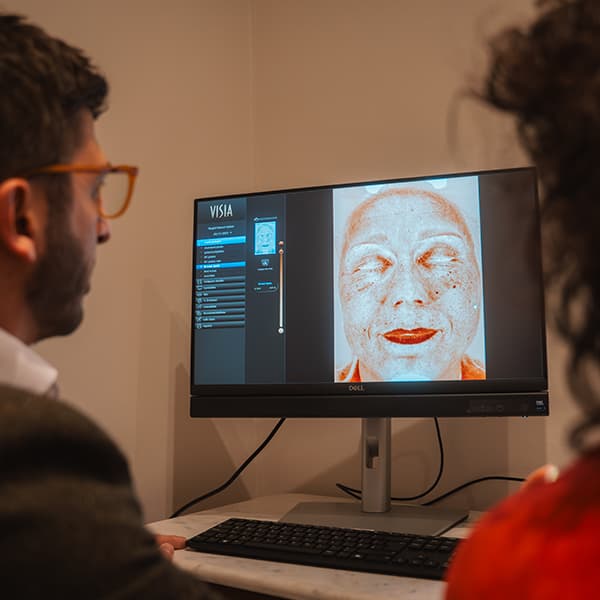
Dr Mattia examines the depth, type and pattern of your pigmentation to determine whether it is sun related, hormonal or post inflammatory. This shapes your treatment plan.
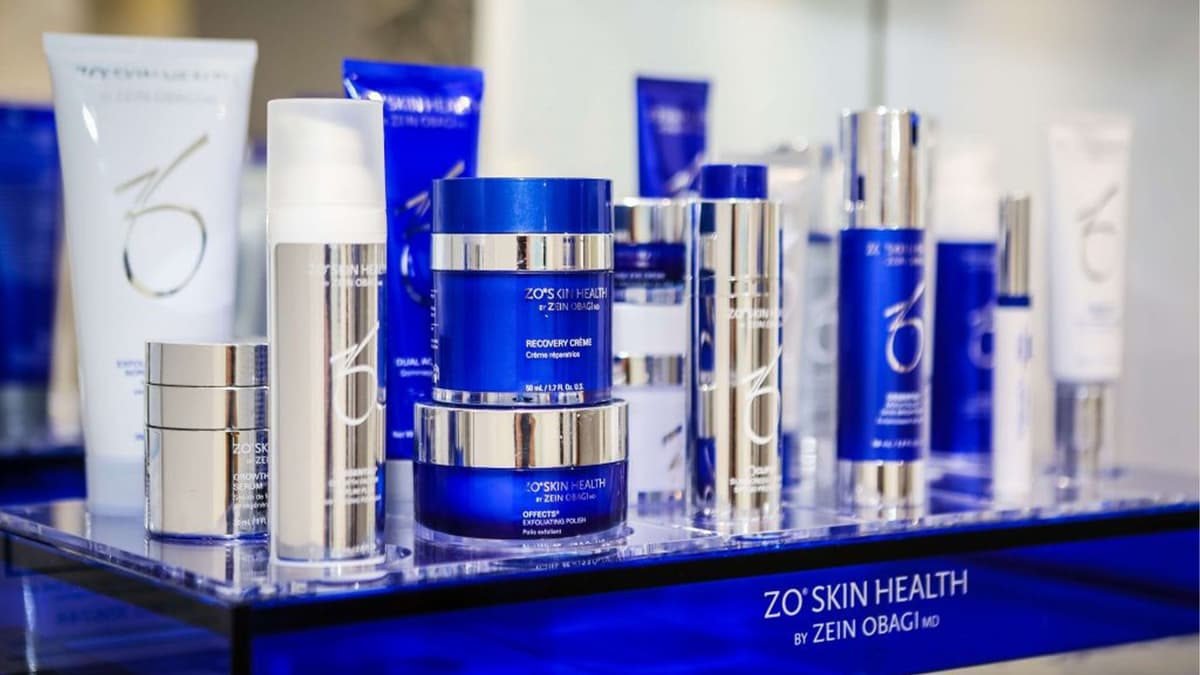
Helios Laser, chemical peels, ZO Skin Health, HydraFacial and microneedling can all help improve uneven tone. Treatment choice depends on the type of pigmentation.
Most treatments are comfortable. Laser sessions feel like quick pulses of warmth and peels may cause light tingling. Your practitioner will guide you through the process.
Results vary depending on depth and cause. Many patients notice improvement after a few sessions, with further clarity developing over several weeks.
Yes. Sun exposure and hormonal changes can cause pigmentation to reappear. Regular SPF and ZO Skin Health maintenance help prolong results.
With doctor led assessment and appropriate device selection, pigmentation can be safely treated across a wide range of skin tones.
Some types can be significantly reduced, while deeper or hormonal pigmentation may require ongoing management. Your consultation will outline realistic expectations.
At Cannelle Skin Clinic in Oxford, we offer a selection of complementary options that help target uneven skin tone, sun damage and discolouration. Treatment plans are developed by Dr Mattia Parducci, ensuring every recommendation is carefully considered, balanced and tailored to your skin type, concerns and long-term goals for clearer, brighter results.
Our clinic is located in Summertown, Oxford, just north of the city centre in one of Oxford’s most sought-after neighbourhoods. Discreet and easy to reach, we offer a premium setting for bespoke skin, aesthetic and wellness care.
We welcome patients from across Oxford city and Oxfordshire, including Summertown, Headington, Kidlington, Abingdon, Bicester, Witney and the surrounding towns and villages. Whether you’re coming for routine skin-health treatments or specialist aesthetic consultations, our location is well connected and simple to access.
Our clinic, Cannelle Skin Clinic, is just minutes from Oxford city centre and easily reached by car, bus or rail. Oxford’s mainline stations Oxford Station and Oxford Parkway are a short taxi or bus ride away, and regular services link to London, Reading, Didcot, Banbury and beyond.
By car, we’re conveniently accessed via key local routes with nearby parking options; by public transport, frequent bus routes along Banbury Road drop you within a short stroll of the clinic.
Whether you’re travelling from within Oxfordshire, further afield in the UK or internationally, our clinic offers a calm, personalised and professional environment for your visit.